Uttar Pradesh's cabinet cleared the Startup Policy 2026 on July 6, offering deep‑tech incentives, a ₹1,000 crore fund and seed capital to propel the state toward a $1 trillion economy by 2030. The policy targets AI, robotics, aerospace and inclusive entrepreneurship across the region.
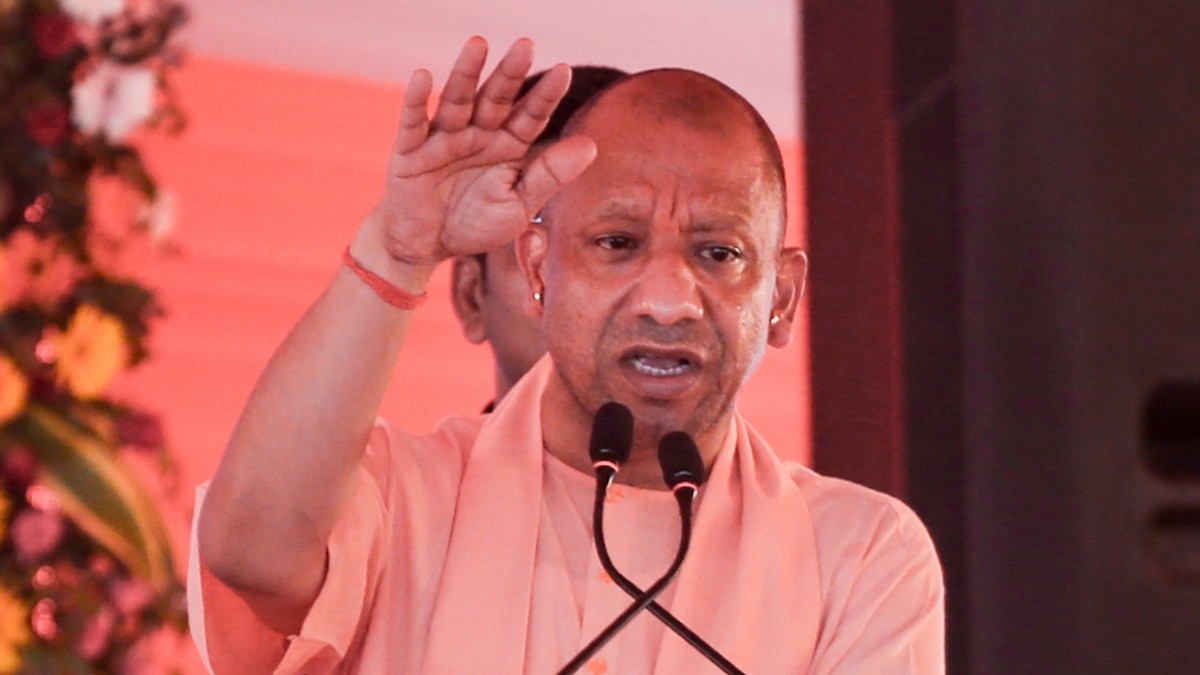
The Uttar Pradesh cabinet gave formal approval to the Startup Policy 2026 on July 6, a sweeping package of financial incentives and institutional reforms designed to accelerate the state’s burgeoning startup ecosystem. Championed by Chief Minister Yogi Adityanath, the policy aligns with the government’s ambition to transform UP into a USD 1 trillion economy by 2030, with innovation and entrepreneurship at its core.
Key Financial Provisions
The framework introduces multiple layers of support: seed funding of up to ₹15 lakh for eligible startups, strategic‑project assistance of up to ₹50 lakh, and a dedicated ₹1,000 crore Startup Fund to bridge early‑stage capital gaps. Selected ventures will receive a monthly sustenance allowance of ₹20,000 for up to two years, a prototype development grant of ₹10 lakh, and annual reimbursement of up to ₹2 lakh for cloud‑computing services.
Deep‑Tech Emphasis
What sets the 2026 policy apart is its explicit focus on deep‑tech sectors—artificial intelligence, machine learning, robotics, aerospace and related fields. The state proposes patient‑capital support of up to ₹100 crore for large‑scale projects in these strategic areas, signaling an intent to position Uttar Pradesh as a premier hub for high‑technology enterprises and to attract foreign direct investment.
Institutional Overhaul and Inclusive Entrepreneurship
A new autonomous body, the UP Startup Mission, will replace the UP Electronics Corporation as the nodal agency for all startup‑related programmes. Headed by the Chief Secretary, the Mission will coordinate policy implementation, monitor progress, and ensure alignment with the broader economic vision.
Inclusivity remains a cornerstone: women entrepreneurs, persons with disabilities, transgender founders and those from economically weaker sections will continue to enjoy targeted incentives. Additional benefits are earmarked for startups in the relatively under‑developed Purvanchal and Bundelkhand regions, encouraging balanced regional growth.
Building on the 2020 Blueprint
The 2026 policy builds upon the successes of the Startup Policy 2020, which introduced a ₹1,000 crore corpus fund channeled through SIDBI‑managed Alternative Investment Funds. That earlier framework offered prototype grants of up to ₹5 lakh, seed capital of ₹7.5 lakh for market entry, and patent‑filing reimbursements of up to ₹2 lakh (domestic) and ₹10 lakh (international). It also set a goal of establishing at least one incubator in every district, targeting 100 incubators and 10,000 startups.
Today, Uttar Pradesh hosts more than 17,000 DPIIT‑registered startups, eight unicorns and over 70 incubators and innovation centres spanning healthcare, agriculture, biotechnology and more. While Karnataka, Maharashtra and Gujarat still lead in sheer numbers, UP’s rapid rise—driven by innovation clusters in Noida and Lucknow and expanding entrepreneurship programmes in Tier‑2 and Tier‑3 cities—marks it as one of India’s fastest‑growing startup destinations.
With the Startup Policy 2026, the state aims to sustain this momentum, cement its reputation as a deep‑tech powerhouse, and translate entrepreneurial vigor into tangible economic growth, propelling the $1 trillion target from vision to reality.