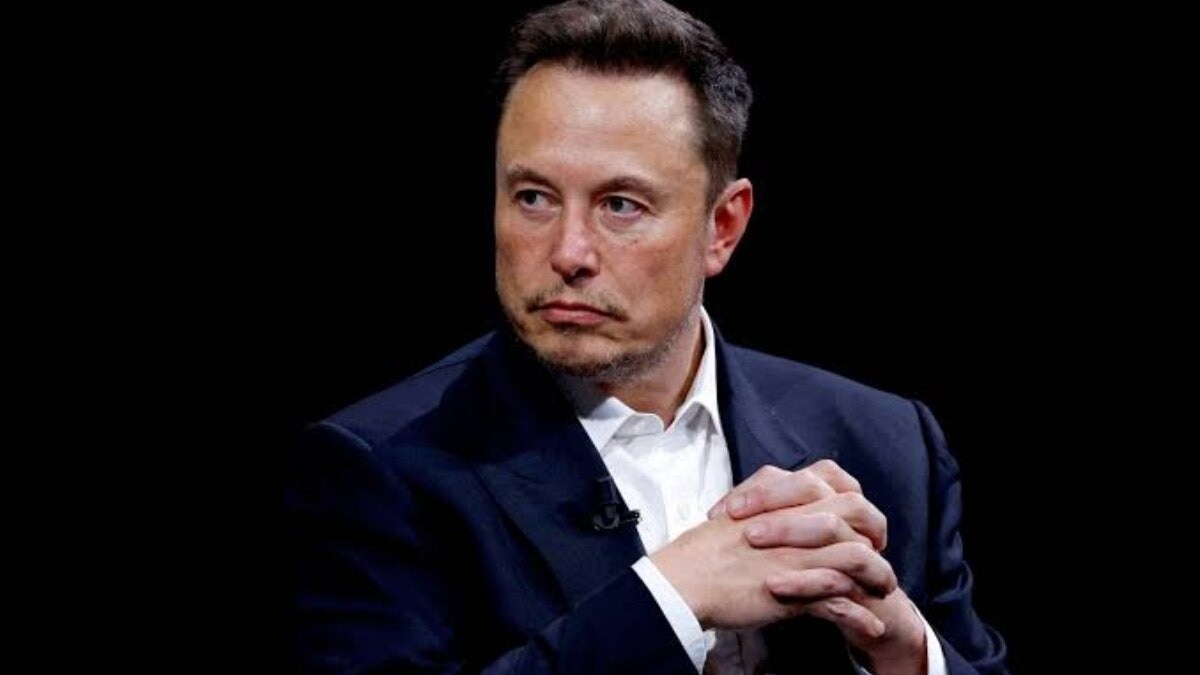
SpaceX shares fell below the $150 IPO opening price, dragging Elon Musk’s net worth down by $62.7 billion. Even after joining the Nasdaq‑100, the stock’s continued decline has left investors unsettled.
New Delhi, July 9, 2026 – The world’s richest man, Elon Musk, faced a sharp financial blow today as his flagship aerospace venture, SpaceX, saw its shares tumble below the $150 IPO opening price, settling around $145.20. The slide erased roughly $62.7 billion from Musk’s personal fortune, bringing his Bloomberg Billionaires Index value to $932 billion.
SpaceX Share Decline
Only 24 hours after SpaceX’s debut on the Nasdaq‑100, the stock endured a heavy sell‑off. On Wednesday, trading pushed the price 3.2% below the IPO level, marking an all‑time low for the company. In the past five days, the share price has dropped more than 10%, and it is now over 35% below its June peak.
Impact on Musk’s Net Worth
Prior to the listing, Musk hovered above the $1 trillion mark, earning the informal title of “trillionaire.” The recent dip has cut his net worth to $932 billion, a stark contrast to the $1.5 trillion high recorded at the end of 2025. The fallout reverberates across his other holdings—Tesla, X (formerly Twitter), and Neuralink—as investors reassess risk across his portfolio.
Broader Market Context
The share slide is not solely a company‑specific issue. Escalating tensions between the United States and Iran have spiked crude oil prices, pressuring U.S. equity markets. Meanwhile, Jeff Bezos’s Blue Origin announced a $10 billion fund raise at a $130 billion valuation, intensifying competition in the commercial space arena and diverting investor attention.
Future Outlook and Analyst Views
Analysts remain divided. Some argue that SpaceX’s lofty $1.95 trillion market valuation versus a near‑$5 billion net loss signals a temporary valuation mismatch, while long‑term believers point to the company’s AI‑driven launch services and the expanding Starlink satellite broadband network as catalysts for future growth.
Investors should stay vigilant. The space sector still grapples with high technical risk, regulatory uncertainty, and geopolitical volatility—factors that could keep the stock volatile in the short run.