The Maharashtra government has set up a high‑level committee to accelerate three mega‑infrastructure projects in Pune – a 64‑km underground tunnel network, a High‑Capacity Mass Transit Route (HCMTR) and an 86‑km Inner Ring Road. The move aims to ease congestion, spur economic growth and position Pune as a regional mobility hub.
Pune’s rapid urbanisation and booming economy have outpaced its road capacity, leaving commuters stuck in chronic traffic snarls. To address this, the state has formed a high‑level committee tasked with fast‑tracking three flagship projects: a 64‑km underground tunnel network, a 36‑km HCMTR ring corridor, and an 86‑km Inner Ring Road.
Committee Structure and Mandate
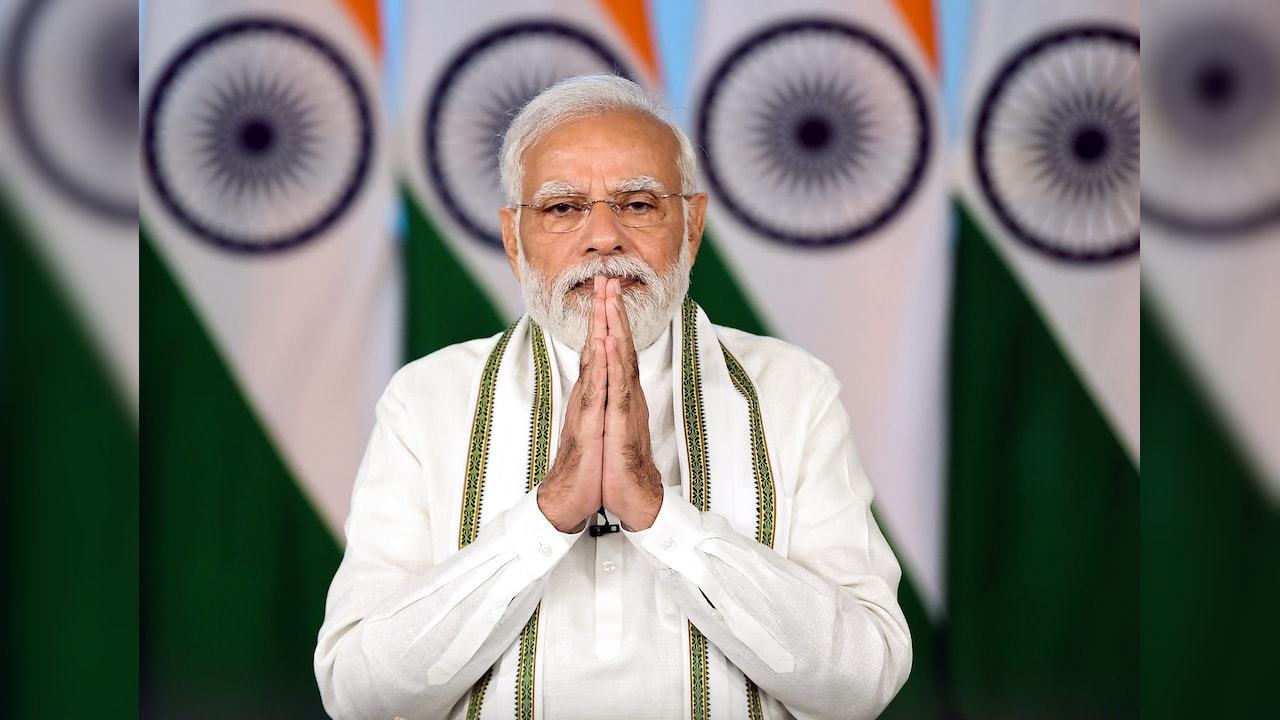
Chaired by Chief Minister Devendra Fadnavis, the committee includes both Deputy Chief Ministers, the Chief Secretary, principal secretaries of Urban Development, Finance, Revenue, Forest and Environment, as well as elected representatives and municipal commissioners of Pune and Pimpri‑Chinchwad. An executive sub‑committee, led by the Pune Municipal Commissioner, will handle day‑to‑day administration with officials from the Pune Metropolitan Region Development Authority (PMRDA), Pimpri‑Chinchwad Municipal Corporation (PCMC) and the police.
Project Highlights
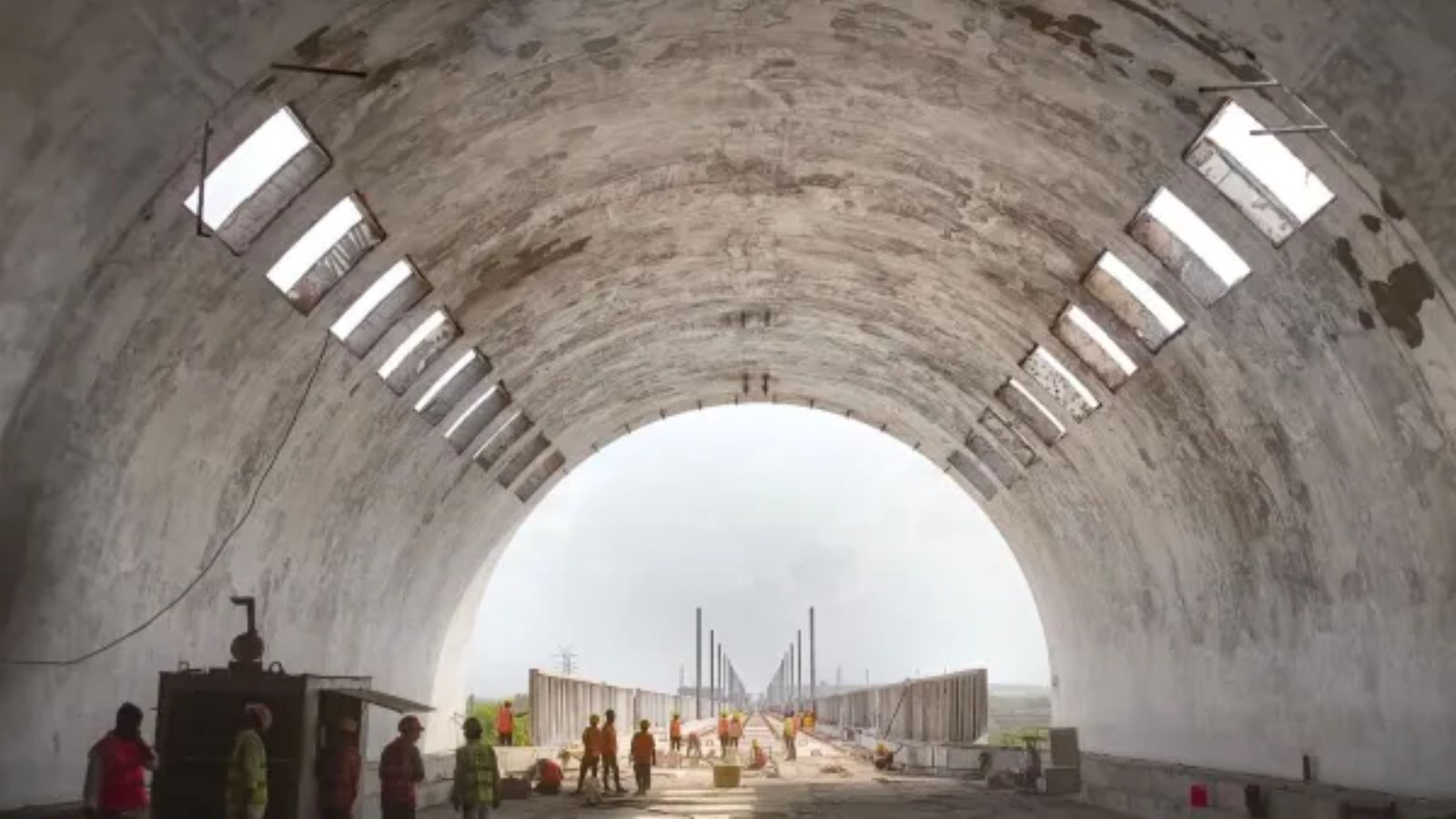
64‑km Underground Tunnel Network: Spanning five corridors, the tunnel will divert a large share of traffic from surface roads, cutting travel time and reducing vehicular emissions.
36‑km HCMTR Ring Corridor: This high‑capacity mass‑transit route will act as a feeder to radial roads and the metro system, decentralising traffic and strengthening public transport options.
86‑km Pune Inner Ring Road: Proposed by PMRDA, the ring road will link suburban growth centres, state highways and national highways, providing an alternative bypass for city‑core traffic.
Economic and Social Impact
Pune is among India’s fastest‑growing cities and hosts roughly 25% of the country’s Global Capability Centres (GCCs). The three projects are expected to generate thousands of jobs, attract further foreign investment, and improve the city’s competitiveness on a global scale. Moreover, enhanced public transit and a functional ring road promise a higher quality of life for residents by reducing commute times and air pollution.
Challenges Ahead
Key hurdles include land acquisition, securing financing and obtaining environmental clearances. The committee’s role is to streamline land procurement, explore public‑private partnership (PPP) models for funding, and ensure timely completion of environmental impact assessments (EIA).
If executed efficiently, these initiatives could transform Pune into a benchmark smart‑city model, where economic expansion and sustainability go hand‑in‑hand.