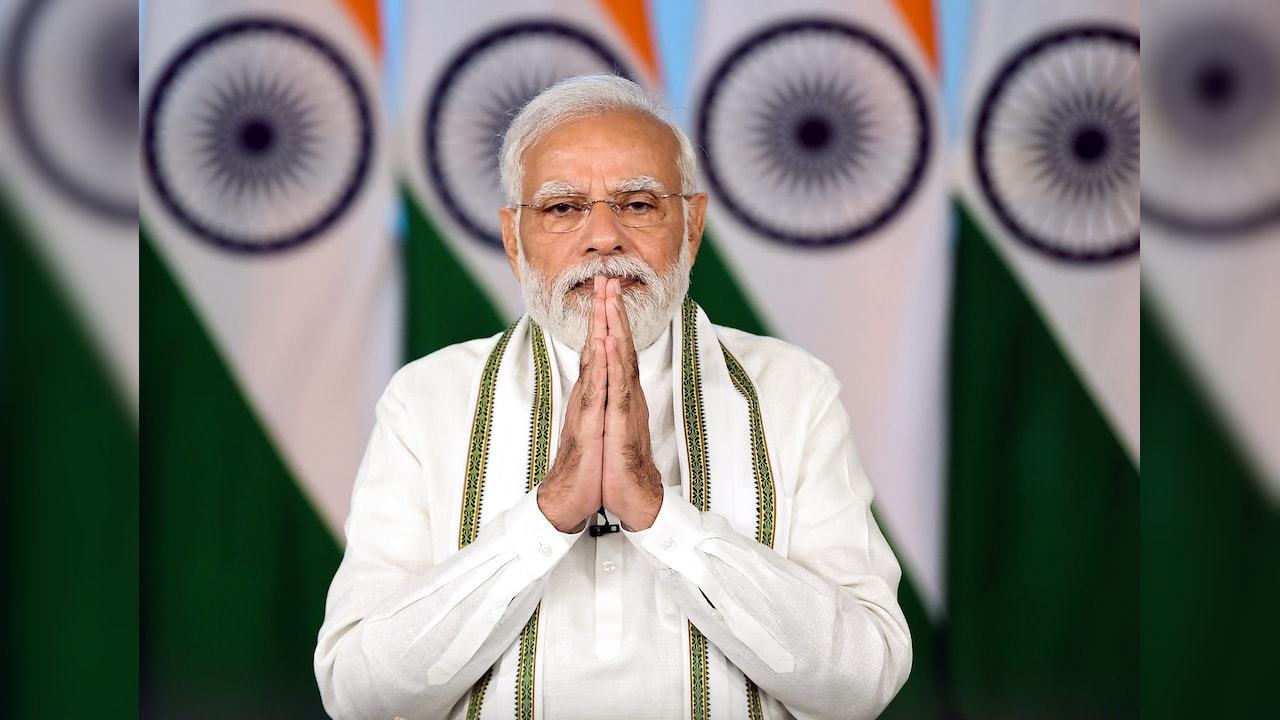
Infosys co‑founder Nandan Nilekani is stepping down from his general partner role at Fundamentum as the firm launches its third fund, aimed at raising $200 million. He will remain the anchor investor, continuing to advise the firm and mentor portfolio companies.
Infosys co‑founder and India’s tech luminary Nandan Nilekani has announced his resignation from the general partner (GP) role at Fundamentum Partnership, while remaining the firm’s anchor investor and advisor. The move coincides with the launch of Fund III, which seeks to raise roughly $200 million to support AI, fintech and consumer‑tech startups at Series B and beyond.
Founding and Growth of Fundamentum
Established in 2017 by Nilekani and Sanjeev Aggarwal, the venture has backed 17 companies, including Spinny, PharmEasy, and Kuku FM. The firm’s portfolio reflects a focus on early‑stage enterprises that can scale rapidly in India’s dynamic market.
Shifting Dynamics in India’s VC Landscape
According to Aggarwal, the past decade has seen a dramatic shift from foreign‑dominated capital to a robust domestic investor base. Fund III will source about half its capital from international investors and the remainder from Indian institutions, family offices, and the firm’s partners, underscoring the maturity of India’s venture ecosystem.
AI Strategy in the Indian Context
Fundamentum’s vision places AI applications—particularly in finance, content, and vernacular consumer products—at the core of its investment thesis. This contrasts with the U.S. and China, where the focus lies on building foundational AI models. By leveraging global models for local use cases, the firm aims to accelerate adoption across India.
Leadership Expansion and Future Outlook
Alongside Aggarwal, the new GP cohort includes Prateek Jain, Mayank Kachhwaha, and Sanjay Chaturvedi. Nilekani’s largest ever commitment to a venture fund is expected to be made in Fund III, though the exact figure remains undisclosed. The fund is projected to close within 12–18 months, with initial checks around ₹100 crore ($10.5 million) each.