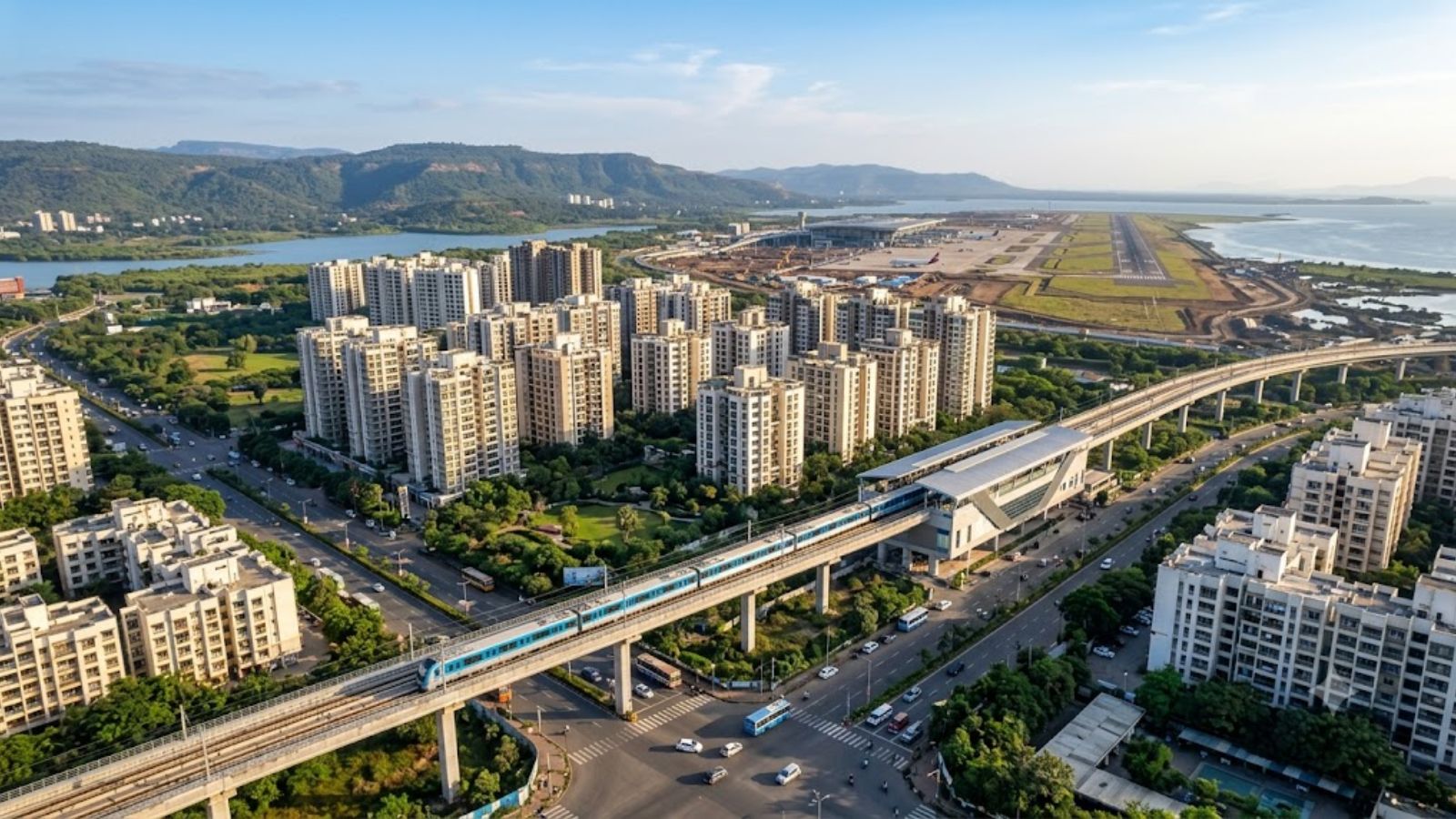
Navi Mumbai is rapidly emerging as a top residential hub in the Mumbai Metropolitan Region, driven by new infrastructure projects. Knight Frank's latest report shows sharp price rises, higher launch volumes, and robust sales activity.
According to Knight Frank India’s half‑yearly real‑estate report, Navi Mumbai has become the fastest‑growing residential centre in the Mumbai Metropolitan Region (MMR). Over the past year, average home prices in Panvel jumped 9%, while Kharghar saw a 6% rise. The surge is no longer just about affordability; it is now powered by a cascade of connectivity upgrades.
Infrastructure Catalysts: Airport, Metro and Multimodal Links
The inauguration of Navi Mumbai International Airport (NMIA), the Mumbai Trans Harbour Link (MTHL) that slashes travel time to South Mumbai to roughly 30 minutes, and the rollout of new metro corridors have collectively turned the area into Mumbai’s "third growth corridor." Additional megaprojects such as the Virar‑Alibaug multimodal corridor and the Panvel‑Karjat railway‑doubling scheme further cement the city’s appeal to both home‑buyers and investors.
Housing Market Dynamics
Developers launched 49,161 units in the first six months of 2026, an 8% increase over the same period last year. Sales edged up 1% to 47,355 units, while unsold inventory fell 4% to 1.57 lakh homes. Navi Mumbai captured the largest share of new launches at 21%, outpacing the peripheral western suburbs (19%) and central belt (18%). In terms of sales, the central belt led with a 22% share, underscoring sustained demand where prices remain relatively affordable.
Commercial Property Upswing
The commercial segment also recorded a strong start to the year. Office leasing hit 7.3 million sq ft in H1 2026, up 33% year‑on‑year, largely driven by JPMorgan’s 2.2 million sq ft lease in Powai. This reflects growing corporate confidence in the region’s infrastructure and talent pool.
Future Outlook
Knight Frank expects the residential market to stay resilient, buoyed by end‑user demand, ongoing infrastructure projects, and a steady pipeline of new supply. Large developers are likely to play a bigger role in redevelopment, refreshing ageing stock while adding fresh inventory. As Navi Mumbai’s share of launches rose from 18% in 2014 to 21% in H1 2026, and its sales share climbed from 16% to 22%, the city is poised to become a pivotal pillar of Mumbai’s long‑term growth strategy.