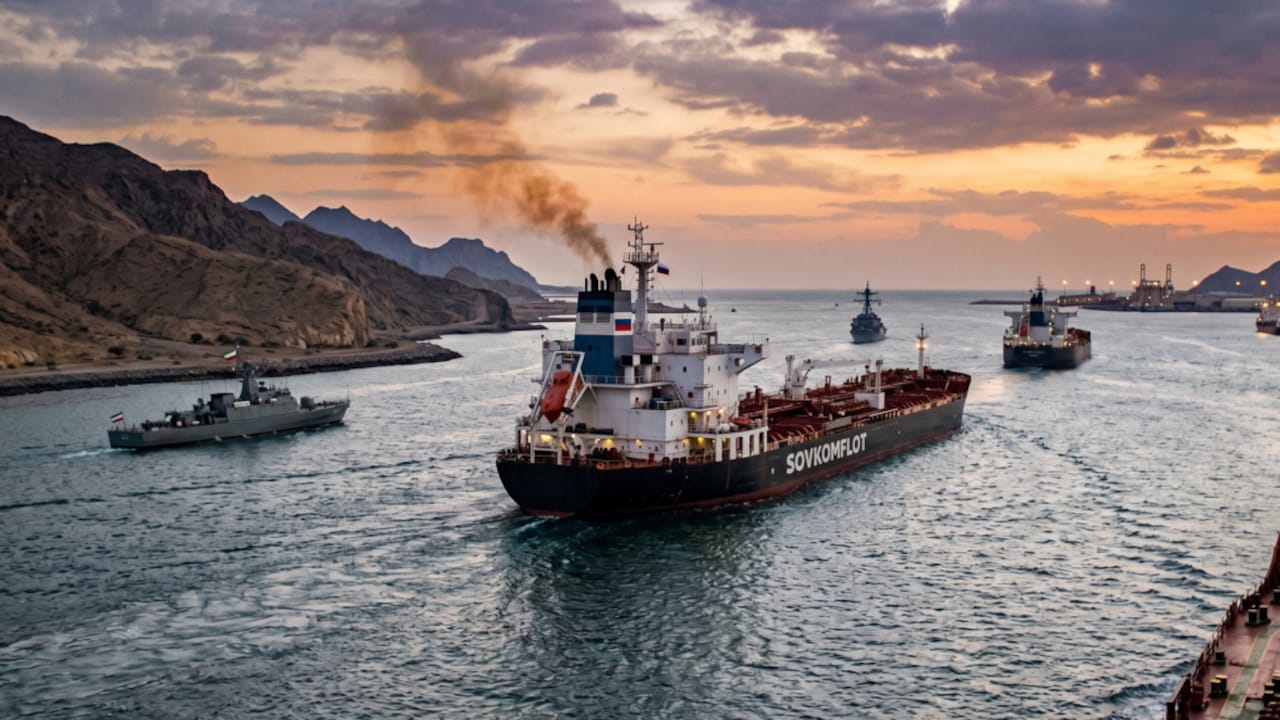
The proposal to levy transit fees in the Strait of Hormuz has reignited scrutiny of how global supply chains rely on a handful of strategic waterways. Such a move could reshape international trade, oil prices, and maritime security dynamics.
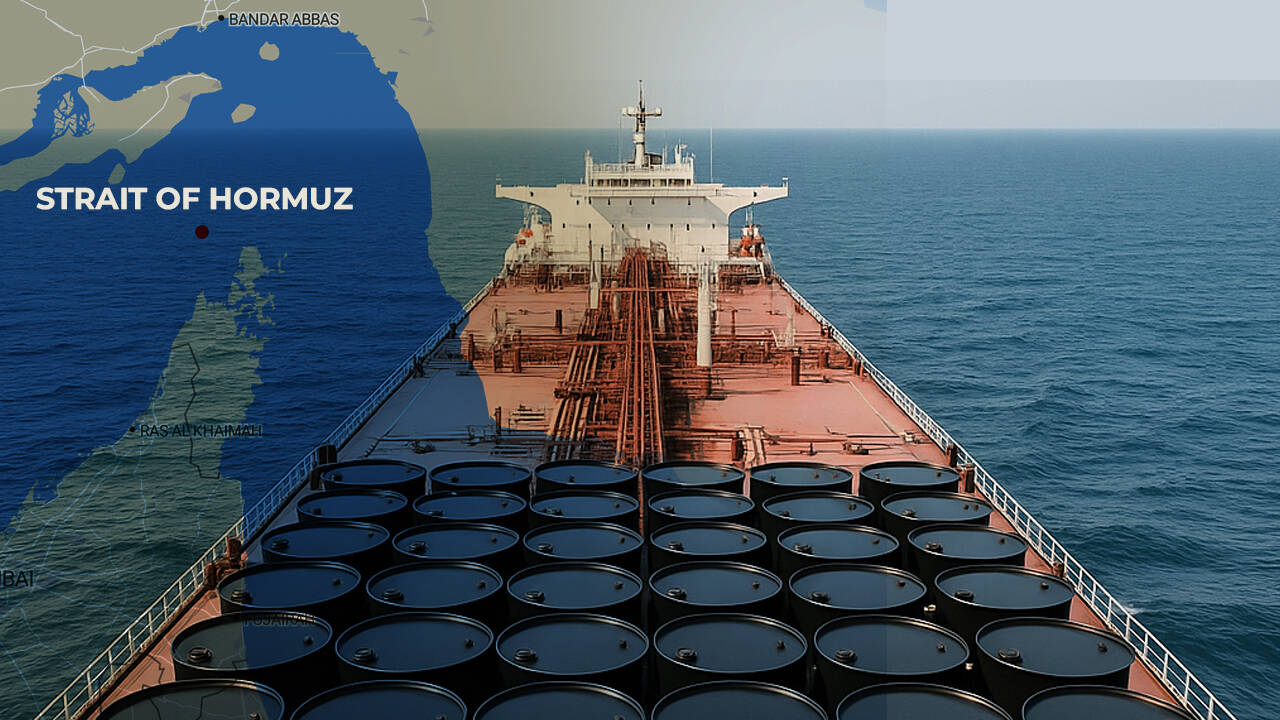
The Strait of Hormuz, linking the Persian Gulf with the Gulf of Oman, is one of the world’s busiest maritime chokepoints. Roughly 20% of global oil and over 10% of several key commodities transit this narrow passage daily. Recognizing its strategic importance, some nations have begun debating the feasibility of imposing a transit toll on vessels passing through.
Historical Context and Current Tensions
Historically, the Strait has served as a vital conduit for traders dating back centuries. In the mid‑20th century, geopolitical friction—most notably between Iran and Western powers—escalated, culminating in 2019 when Iran threatened to block shipping, causing a sudden spike in oil prices. This episode underscored the narrow corridor’s capacity to trigger worldwide market volatility.
Economic Rationale Behind the Toll
Supply‑chain analysts argue that a toll could generate dedicated revenue for infrastructure upgrades, enhanced security, and environmental safeguards. Critics, however, warn that added costs would be passed to end‑consumers, inflating the Consumer Price Index and eroding the competitiveness of smaller shippers. Moreover, the principle of free passage under the United Nations Convention on the Law of the Sea (UNCLOS) could be called into question.
Potential Impacts on Global Supply Chains
Should the fee be implemented, carriers may reroute via alternative passages such as Saudi Arabian ports or the Cape Route around Africa. Such detours would increase transit times, fuel consumption, and carbon emissions. Conversely, channeling toll revenues into anti‑piracy and anti‑terrorism measures could bolster maritime safety, ultimately supporting the long‑term resilience of sea‑borne trade.
Future Outlook and International Response
UN maritime law experts caution that any toll scheme must be coordinated through multilateral dialogue to avoid fragmenting the global shipping regime. Major shipping firms have already begun revisiting logistics strategies, while oil exporters view the prospect of added revenue with cautious optimism. The ultimate success of the toll hinges on political will and the market’s ability to adapt to new cost structures.