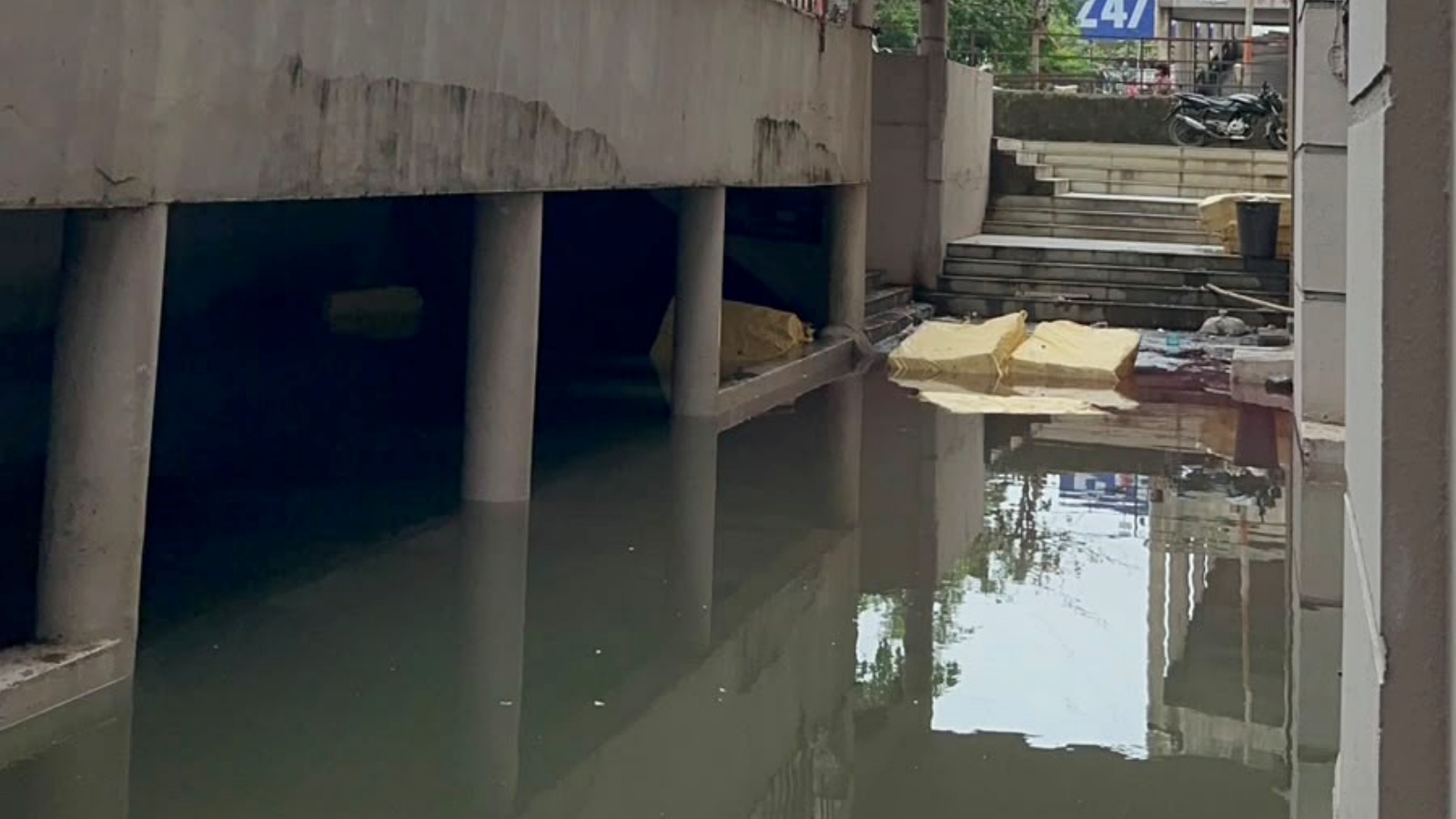
Heavy rains have flooded 240 textile markets in Surat, jeopardising 75,000 shops and causing estimated losses in the hundreds of crores. Traders are urging the government for immediate compensation.
Surat, a key hub for synthetic sarees and embellished dress materials, is grappling with unprecedented flooding after days of torrential rain. According to the Federation of Surat Textile Traders Association (FOSTTA), dozens of underground basements—each housing 60 to 250 shops—are now water‑logged, pushing traders toward losses that could run into hundreds of crores of rupees.
Extent of the Flood and Immediate Impact
On Tuesday, 14 inches of rain caused the water level in Mithi Creek to surge dramatically, breaching the market’s perimeter walls and inundating basements across the city. Sunil Jain, who runs a shop in the Raghukul market, reported that over 2,500 sarees in his inventory are damaged. “We have no choice but to sell them at rock‑bottom prices to meet loan obligations,” he said, highlighting the dire financial pressure on merchants.
Economic Context
Surat hosts roughly 240 textile markets with about 75,000 shops, centered around Ring Road and the Saroli area. The local traders claim the city manufactures six lakh crore metres of fabric annually, generating a turnover of around ₹1.5 lakh crore. The sudden flood threatens to disrupt this massive value chain, as damaged goods cannot be dispatched to retail outlets nationwide.
Government Response and Demands
FOSTTA president Hansraj Jain stressed that a precise loss assessment will only be possible after all water is pumped out. “Once we have the data, we will press the government for full compensation,” he asserted. Municipal Commissioner M. Nagarajan noted that the past week accounted for 30 % of the season’s total rainfall, and the city has already recorded over 20 inches of rain this week alone.
Logistics Crisis and Future Challenges
Yuvraj Deshle, head of the Surat Textile Goods Transport Association, warned that the transport network is effectively paralysed. Of the usual 250 trucks that leave Surat daily, only 5‑8 % are currently able to move parcels, with more than 200 trucks idling in Saroli. This bottleneck not only dents traders’ cash flow but also risks delaying garment exports.
Experts caution that unless water removal and inventory recovery are expedited, the economic fallout could linger for months, potentially pushing many small‑scale traders toward insolvency.