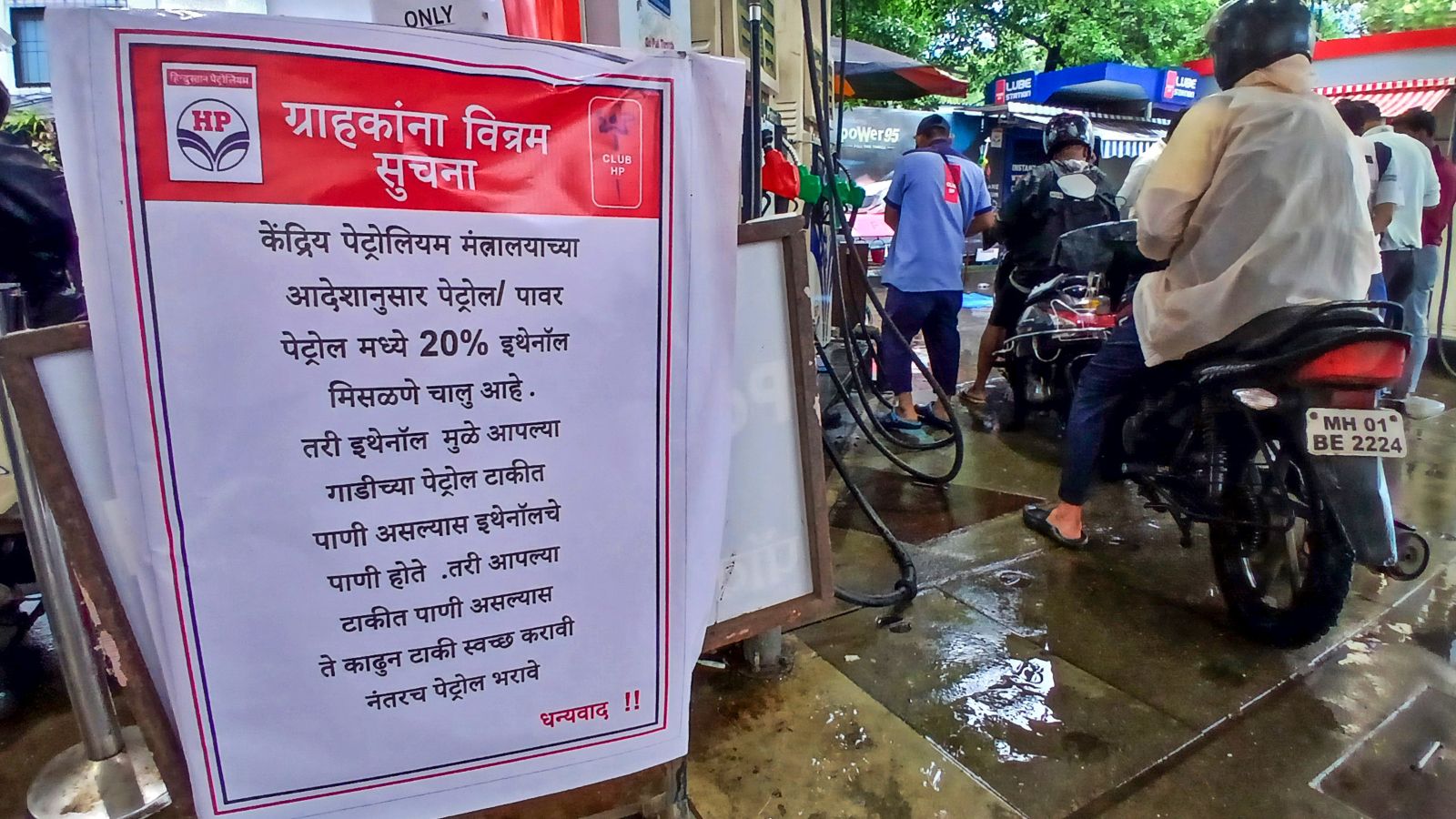
India achieved the 20% ethanol blending target last year, making E20 the standard fuel across the country. The government argues that offering pure petrol, E10 and E20 simultaneously would create logistical nightmares and raise costs.
Key Takeaways
- E20 (80% petrol + 20% ethanol) is now the national standard fuel.
- The government rejects multi‑grade retail (pure petrol, E10, E20) citing massive logistical and cost challenges.
- E20 delivers higher octane, better combustion and lower emissions, with mileage loss limited to 3‑5% at most.
India crossed the 20% ethanol‑petrol blending milestone in 2025, cementing E20 as the default gasoline variant. The move sparked public debate, with some motorists alleging reduced mileage, accelerated wear on older engines and limited availability of “pure” petrol. In response, the Ministry of Petroleum released an extensive FAQ, emphasizing that E20 is cleaner, faster‑burning and less polluting than either pure petrol or lower‑blend fuels such as E10.
Logistical and Economic Constraints
With more than 100,000 retail outlets, an extensive network of refineries, terminals, depots and pipelines, India’s fuel supply chain is one of the world’s most complex. Supplying three separate grades—pure petrol, E10 and E20—at every pump would inflate handling costs, complicate inventory management and erode operational efficiency. Moreover, public‑sector banks have financed roughly ₹1 lakh crore annually in ethanol production and related infrastructure. A sudden policy reversal to lower blends would jeopardise these multi‑billion‑rupee investments and leave surplus capacity idle.
Environmental and Technical Advantages
E20 offers a higher octane rating, superior anti‑knock characteristics, quicker combustion, smoother acceleration and cleaner engine operation. The ministry estimates that older vehicles may experience a mileage dip of only 3‑5%, a trade‑off outweighed by the fuel’s performance benefits. Automobile manufacturers have validated the blend through rigorous testing—including engine durability, material compatibility, corrosion resistance and emissions—and continue to honour warranties on both new and legacy models.
Future Roadmap
While E20 remains the focus, the ministry hinted that the planned shift to E25 could be postponed amid public backlash. The decision balances farmer welfare, ethanol supply chain capacity, and international best practices. India aims to scale ethanol output to 5 million tonnes within the next two years, reinforcing energy security, environmental sustainability and farmer incomes.
International Context
Globally, Brazil and the United States have relied on ethanol‑petrol blends for decades. India’s ethanol program, launched over two decades ago, gained momentum under the current administration, aligning the country with global trends toward lower‑carbon mobility. The strategic push for higher blends reflects a broader ambition to cut transportation‑related emissions while reducing dependence on imported crude.