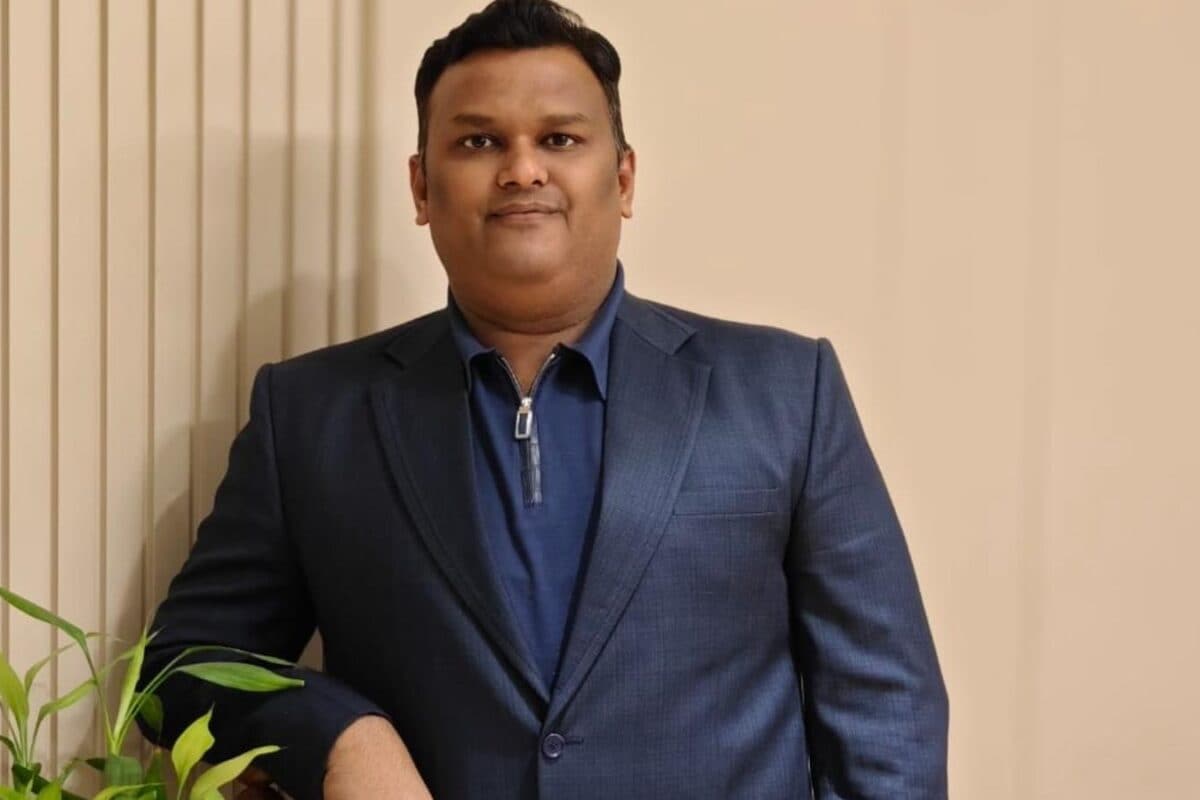
Ravi Agarwal started a modest Nokia phone retail business with Rs 10 lakh in 2010. Today, his firm Cellecor Gadgets has raised Rs 300 crore to set up its first overseas manufacturing plant in Liberia, Africa.
Key Takeaways
- Ravi Agarwal launched a phone retail operation with just Rs 10 lakh in 2010.
- Cellecor transitioned from a trader to a brand in 2017 and reported Rs 1,292 crore revenue in FY26.
- Rs 300 crore funding will finance a new manufacturing hub in Liberia, marking the company’s first African footprint.
Ravi Agarwal, co‑founder and managing director of Cellecor Gadgets Ltd., began his entrepreneurial journey in 2010 after graduating from Delhi University. With a personal savings of roughly Rs 6‑7 lakh and a modest loan, he invested a total of Rs 10 lakh to sell Nokia and Samsung feature phones from a small shop counter in Delhi.
From Trading to Branding
Initially, the business operated purely as a trader, buying and reselling other manufacturers’ devices. By 2012, Agarwal formally incorporated the company, but it continued as a trading entity until 2017. The introduction of GST and tightening compliance requirements forced a strategic shift: the launch of the Cellecor brand. This move marked a transition from a low‑margin trading model to a brand‑centric, distribution‑driven approach.
Targeting Tier‑III Markets
Rather than diving straight into the capital‑intensive smartphone segment, Agarwal focused on feature phones aimed at Tier‑II, III and IV consumers, where price sensitivity is paramount. “Competing in smartphones requires massive investment; we deliberately chose categories with lower entry barriers while building a nationwide distribution network,” he explained.
Diversification and Pandemic‑Driven Growth
During the COVID‑19 pandemic, demand for communication and entertainment devices surged, prompting Cellecor to expand into accessories, hearables, wearables, and audio products. In 2021, the company entered the smart‑TV space, and following its 2023 IPO, it added washing machines, refrigerators, air conditioners, air coolers, and small kitchen appliances. Today, appliances constitute the bulk of Cellecor’s revenue and serve as the primary growth engine.
Revenue Milestones
From a modest Rs 19 crore turnover in 2017, Cellecor’s revenue skyrocketed to approximately Rs 1,292 crore in FY26, with PAT margins improving from 0.5 % to 3.1 %. The workforce grew from four employees to more than 425, backed by over 1,500 distributors, nearly 100,000 retail touchpoints, and roughly 2,000 service centres across India. The company targets Rs 1,800‑2,000 crore in revenue for the current fiscal year and envisions Rs 5,000 crore from the Indian market over the next three years, including a Rs 1,000 crore e‑commerce ambition.
Why Africa, Why Now?
Cellecor secured Rs 300 crore through foreign currency convertible bonds (FCCBs) to fund its inaugural overseas manufacturing facility in Liberia. The plant, slated to be operational by the end of 2026, will produce smart TVs, washing machines, air conditioners, air coolers, smartphones, feature phones, tablets, audio devices, and small kitchen appliances.
Agarwal likens today’s African consumer‑electronics landscape to India’s market 10‑15 years ago—rapid population growth, rising purchasing power, and a hunger for affordable technology. Local manufacturing offers lower logistics costs, tax efficiencies, and easier access to neighboring markets, making Africa a natural extension of Cellecor’s Indian playbook.
Financial Outlook and Job Creation
The African venture is projected to generate around Rs 450 crore in its first year, with the potential to scale to Rs 1,500‑2,000 crore within two to three years. The Liberia plant will also create over 200 jobs initially. Combined with its domestic targets, Cellecor aims for a consolidated Rs 10,000 crore revenue milestone, positioning Africa as a core growth engine rather than a peripheral experiment.