Microsoft announced a cut of 3,200 jobs in its Xbox division, sparking fresh political backlash against the H‑1B visa program. Critics argue that Indian-origin CEO Asha Sharma is favoring foreign talent over American workers.
Key Takeaways
- Microsoft trims 3,200 positions from Xbox.
- Republican lawmakers demand an end to the H‑1B program.
- Asha Sharma, an Indian‑origin CEO, becomes the focal point of the controversy.
On July 10, 2026, Microsoft disclosed a global workforce reduction of roughly 4,800 roles, with about 3,200 of those cuts concentrated in its Xbox gaming division. The move is part of a broader restructuring aimed at restoring profitability after years of heavy investment that fell short of expectations.
Background of the H‑1B Visa Programme
The H‑1B program, already under intense political scrutiny following former President Donald Trump’s fraud investigations, sees more than 70 % of its annual approvals go to Indian professionals. Companies like Microsoft are among the top beneficiaries, leveraging the visa to fill high‑skill positions with comparatively lower‑cost talent.
Asha Sharma’s Leadership and Xbox Overhaul
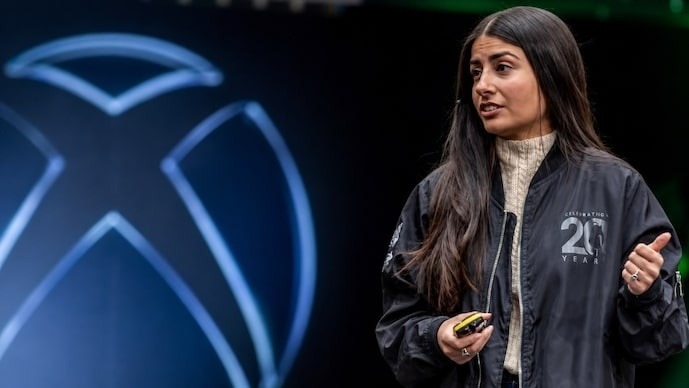
Appointed CEO of Xbox in February 2026, Asha Sharma—born in India and the first woman of Indian origin to head the division—has framed the layoffs as essential for the unit’s financial health. An internal memo circulated by Sharma indicated that four major studios will be divested, while the remaining assets will be realigned under a new strategic roadmap.
Political Reaction and Public Outcry
West Virginia Republican Representative Riley Moore seized on the announcement, calling for the complete abolition of the H‑1B programme. Speaking to Fox News, Moore warned, “Big‑tech is abusing immigration programs to replace American workers with cheaper foreign labor.” Social media amplified the narrative, with users accusing Sharma of orchestrating a “Indian takeover” of Xbox jobs.
Potential Implications and Future Outlook
If the controversy translates into legislative action, Microsoft could face tighter caps on H‑1B petitions, forcing the tech giant to rely more heavily on domestic talent pipelines. The episode also underscores a broader debate about the balance between global talent acquisition and protecting American employment.
Stakeholders—from policymakers to industry leaders—must navigate a nuanced path that safeguards U.S. jobs while preserving the competitive edge that diverse, international expertise brings to the tech sector.