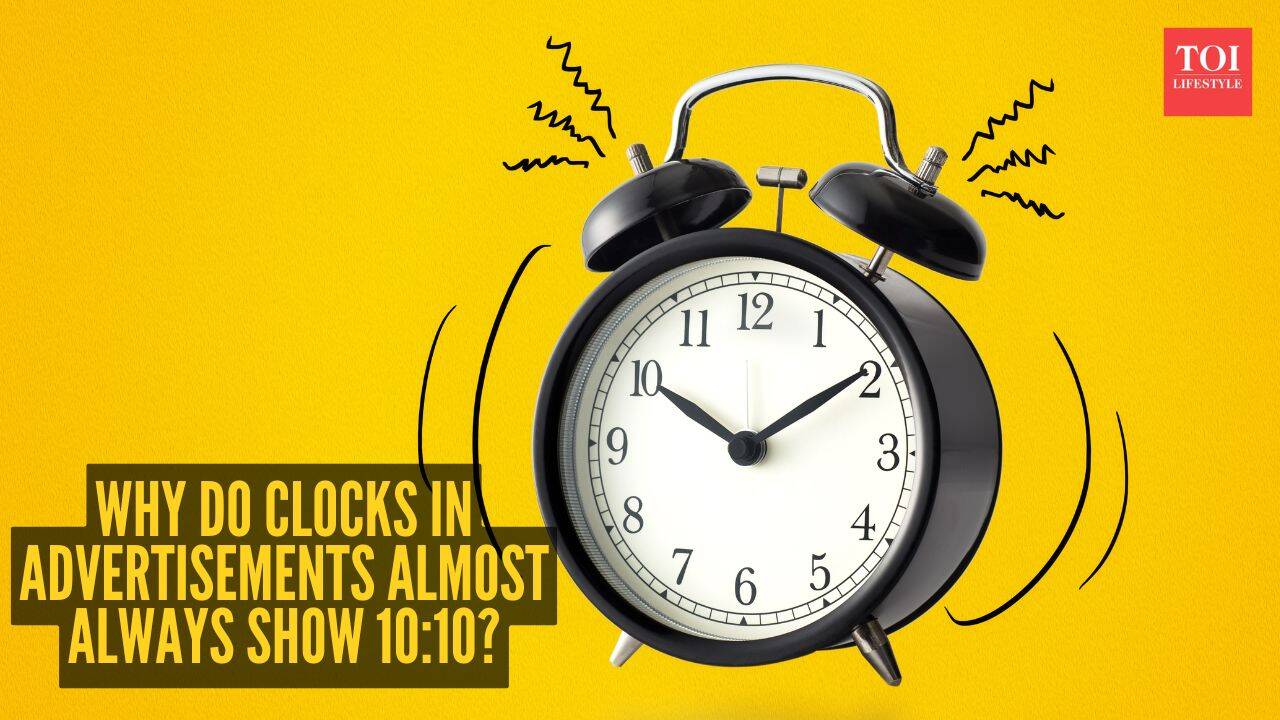
Watch advertisements frequently use the 10:10 setting because it creates a balanced "V" shape, highlights brand logos, and evokes a smile-like perception, boosting visual appeal. This deliberate choice enhances marketing effectiveness worldwide.
मुख्य बिंदु (Key Takeaways)
- 10:10 positions the hour and minute hands in a symmetrical "V" shape, providing visual balance.
- The arrangement keeps brand logos and dial details unobstructed.
- The hand placement subconsciously resembles a smile, making the product appear friendly.
Displaying a watch at 10:10 has become an industry‑wide convention, driven not only by aesthetics but also by deep psychological tactics. When the hour and minute hands point to 10 and 2, they form a clear "V" that draws the eye toward the centre of the dial, creating a sense of equilibrium. This visual harmony instantly triggers positive emotions in viewers.
Historical Evolution of the Practice
In the mid‑20th century, leading Swiss manufacturers experimented with various time settings for print ads. By the 1950s, they discovered that 10:10 consistently produced the most attractive composition, as it left the upper‑right quadrant—where most logos and date windows sit—completely visible. The practice quickly spread, and today iconic brands such as Rolex, Omega, Seiko and TAG Heuer still rely on this convention.
Psychological Impact
Psychologists refer to this positioning as the "smiling hands" effect. The slight upward angle of the two hands resembles a subtle smile, which subconsciously conveys friendliness and reliability. Studies show that consumers are more likely to trust and favor products that present such positive visual cues, translating into higher purchase intent.
Marketing Strategy and Business Benefits
For advertising agencies, the 10:10 rule is a precise tactical tool. It ensures that the brand logo—typically placed at the 12‑o’clock position—remains fully legible, strengthening brand recall. Moreover, the clear, uncluttered dial minimizes visual noise, focusing viewer attention solely on the timepiece itself. This simplicity drives stronger emotional connections and can boost conversion rates.
Future Outlook
Even in the age of digital and immersive advertising, the 10:10 principle remains relevant. While augmented reality and interactive ads experiment with dynamic hand positions, the core tenets of symmetry, clarity, and positive subconscious signaling endure. As long as marketers aim to tap into innate human perception, the timeless 10:10 will continue to tick in watch promotions.