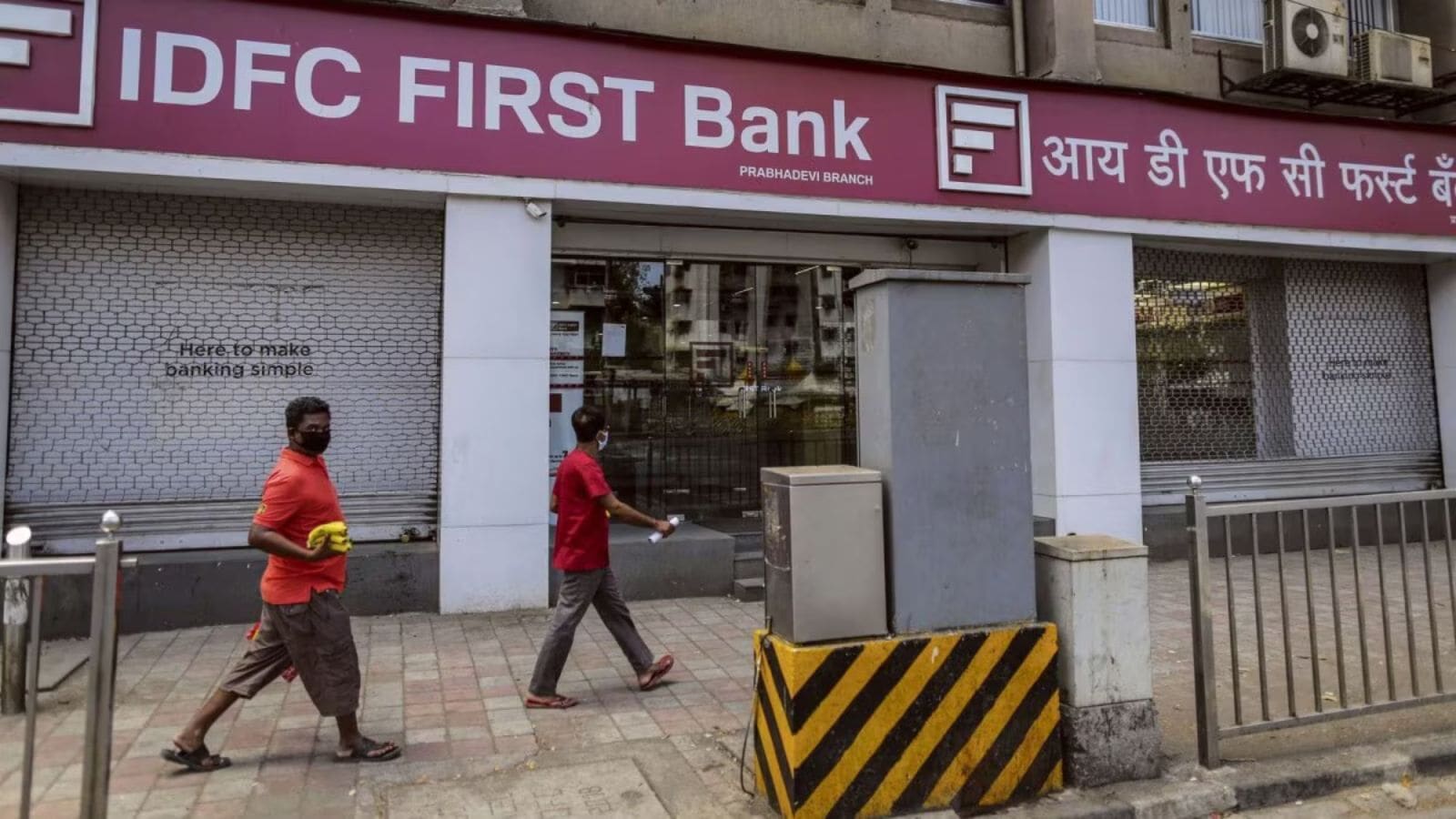
The CBI alleges that a key accused in the IDFC First Bank scam financed foreign trips and luxury hotel stays for a senior Haryana officer, exposing a multi‑crore money laundering network. The case highlights systemic lapses in banking oversight and public‑fund misuse.
Key Takeaways
- Ribhav Rishi financed overseas travel and hotel expenses for Haryana officer Naresh Kumar.
- Approximately ₹10 crore was funneled to the official through direct transfers and asset purchases.
- Fraud involved fake accounts, forged chequebooks and unauthorized banking instruments.
The Central Bureau of Investigation has filed a detailed chargesheet in the multi‑crore IDFC First Bank fraud, stating that Ribhav Rishi – then branch manager of the bank’s Sector‑32, Chandigarh outlet – opened phantom accounts for Haryana government departments and subsequently covered the travel and accommodation costs of Superintendent Naresh Kumar.
Background of the Scam
During 2024‑25, IDFC First Bank was entrusted with handling accounts linked to several state‑run welfare schemes, notably the Mukhyamantri Gramin Awas Yojana. According to the CBI, Rishi and co‑accused created false account details, forged chequebooks and signed banking instruments, allowing unauthorized disbursements. Kumar acted as the liaison between senior Panchayat Department officials and the bank, facilitating the illicit flow of funds.
Financial Benefits and Travel Expenses
The investigation uncovered direct transfers totaling around ₹1 crore into Kumar’s Union Bank and HDFC Bank accounts, routed through Swastik Desh Projects. Additionally, a Toyota Fortuner was purchased in his name, and a further ₹10 lakh was transferred to his daughter’s HDFC account. Rishi also paid for Kumar’s stays at JW Marriott Jaipur (₹20,000), a family trip to Bangkok and Macau (₹2,29,010), a Mumbai visit, a Pune Novotel stay (₹1,13,000) and a three‑night Dubai Jumeirah Burj Al Arab stay (₹7,16,055) – all documented via travel agency records.
Implications for Banking Oversight
Experts argue that the case underscores glaring gaps in bank‑level compliance and the need for real‑time monitoring of government‑linked accounts. Strengthening digital audit trails, enforcing strict KYC norms for public‑sector transactions, and imposing severe penalties for collusion are essential to prevent recurrence.
Judicial Proceedings
Naresh Kumar has already been taken into custody, while Rishi and other co‑accused are facing charges in a Panchkula court. The upcoming trial will test the Indian judiciary’s ability to deliver swift justice in high‑value financial crimes and send a deterrent signal to the banking fraternity.