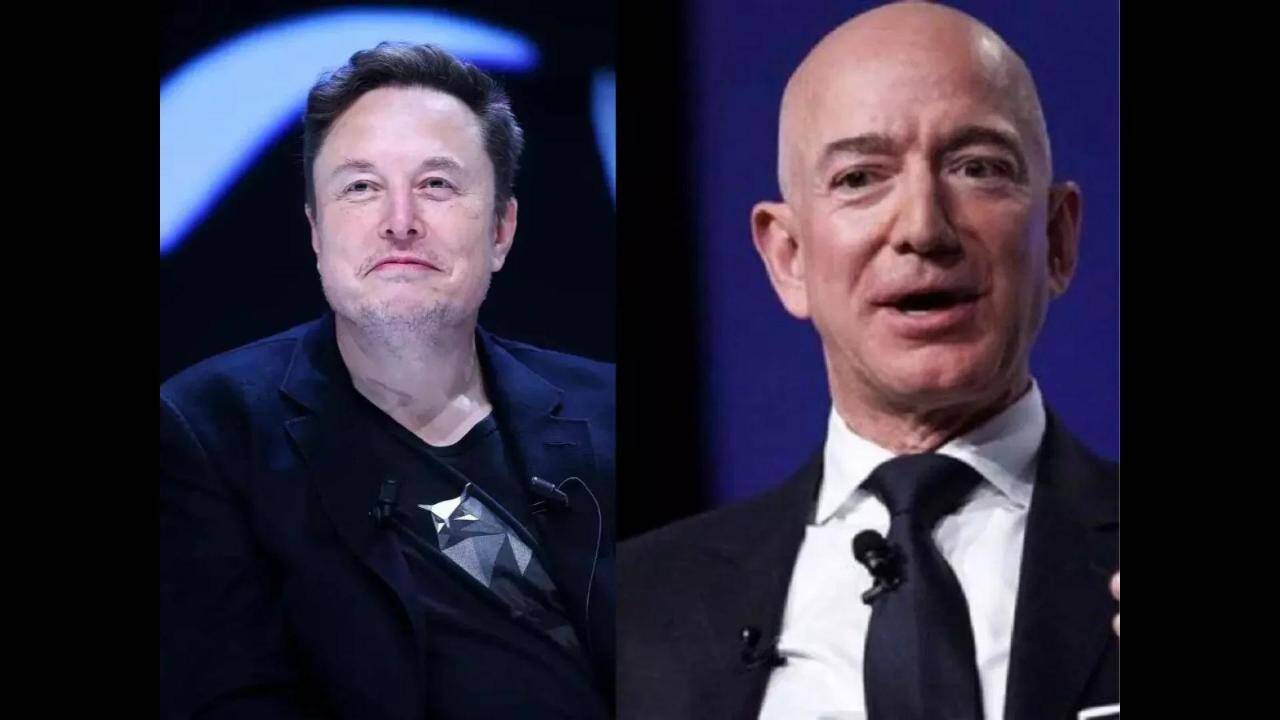
Blue Origin has opened its doors to external investors for the first time, aiming to raise $10 billion to accelerate growth and close the gap with SpaceX. Coatue Management is set to lead the round, while Bezos himself will add $2 billion of his own capital.
Key Takeaways
- Blue Origin seeks $10 billion from external investors
- Coatue Management will lead the funding round
- Jeff Bezos contributes $2 billion personally
After 26 years of exclusive self‑funding, Jeff Bezos is inviting outside capital into Blue Origin. This marks a historic shift for the company, which until now relied solely on the Amazon founder’s personal wealth.
Background and Strategic Context
Founded in 2000, Blue Origin has long pursued a vision of lowering the cost of space access through reusable rockets such as New Shepard, New Glenn, and the upcoming Blue Moon lunar lander. Yet, compared with Elon Musk’s SpaceX, the company has lagged in launch cadence and market share, largely due to a more conservative funding model.
The Funding Round Details
The upcoming $10 billion round is expected to be spearheaded by asset‑management firm Coatue Management. Bezos will also double‑down with a $2 billion personal contribution, signaling confidence to prospective investors. The capital is earmarked for accelerating vehicle development, expanding launch infrastructure, and scaling up the company’s lunar and tourism ambitions.
Closing the Gap with SpaceX
SpaceX’s rapid rollout of the Falcon 9 and Starship families has redefined cost benchmarks. Blue Origin’s new infusion aims to narrow the technology and price gap, enhance reusability, and position the company for a more aggressive launch schedule. Industry analysts contend that this infusion could shift the competitive dynamics of the commercial space sector.
Future Outlook
With fresh capital, Blue Origin plans to increase the flight rate of its New Glenn heavy‑lift launcher and commence crewed tourism flights at a lower price point. The company also seeks to partner with international agencies for a sustained lunar presence, leveraging the $10 billion to build habitats and refueling stations on the Moon. Successful execution could reshape the global space economy and inspire a new wave of private‑sector investment.