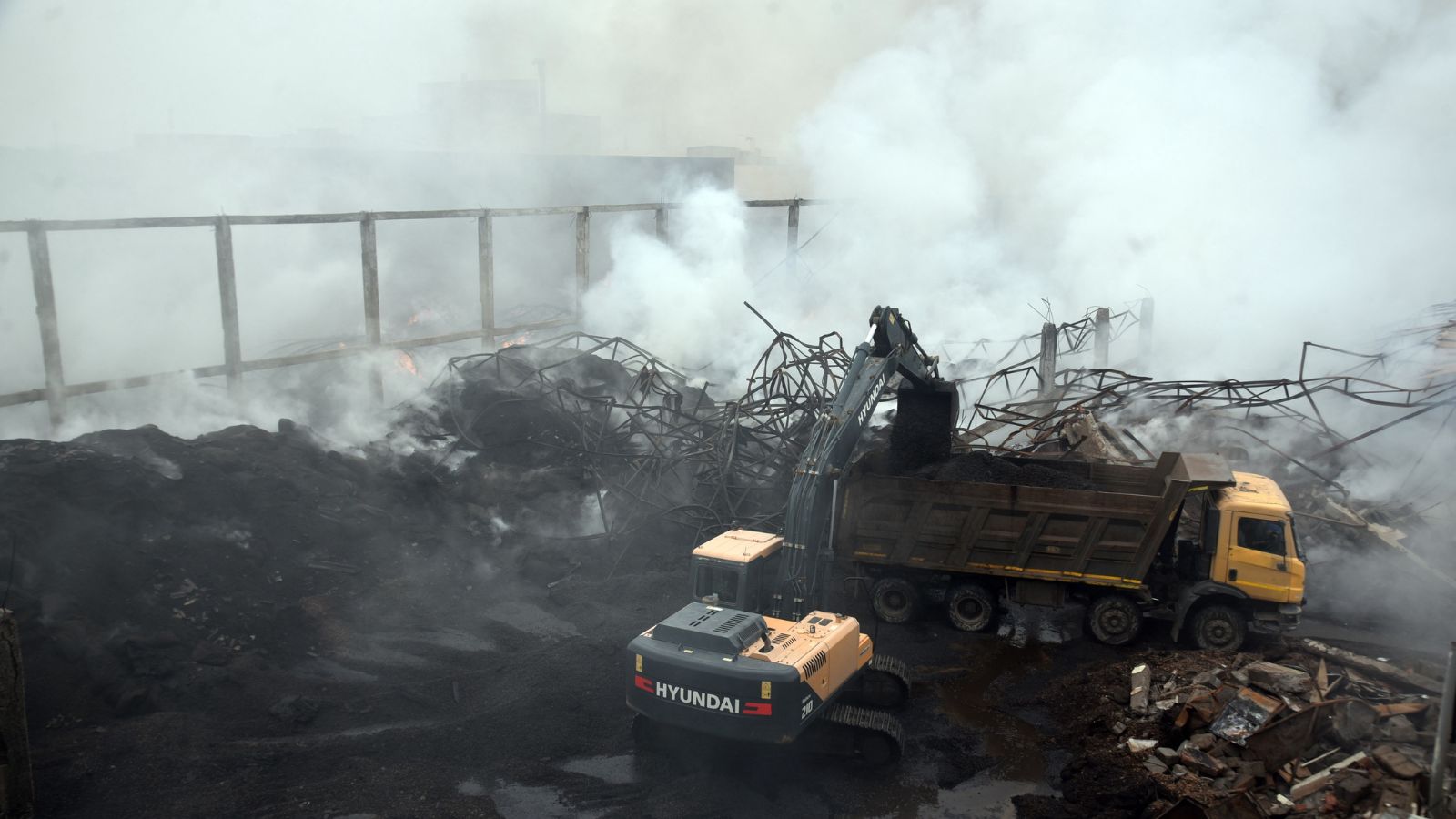
A mysterious fire that broke out on July 4 in a Morbi warehouse incinerated over 5,500 tonnes of peanuts, causing losses estimated at Rs 42 crore. Experts point to high oil content and lax safety standards as the key drivers behind recurring warehouse fires in Gujarat.
Key Takeaways
- Fire at Morbi’s Rafleshwar warehouse destroyed >5,500 tonnes of peanuts, costing roughly Rs 42 crore.
- Groundnuts contain 40‑50% oil by weight, making fires spread rapidly; inadequate fire‑prevention infrastructure is a major factor.
- Police and insurers have launched parallel investigations, but the exact cause remains undetermined.
On July 4, a sudden blaze erupted at the Rafleshwar warehouse on the outskirts of Morbi, Gujarat. Within hours the fire engulfed the entire metal‑structured facility, reducing 1.6 lakh gunny bags—each weighing 35 kg—into ash. The destroyed stock, purchased from farmers at an MSP of Rs 7,517 per quintal, amounted to an estimated financial loss of Rs 42 crore.
Rapid Response and Challenges
Chief Fire Officer Devendrasinh Jadeja reported that the fire originated on the right side of the depot and spread across the roof within an hour. Fire crews from Morbi, Rajkot, Wankaner and Jamnagar—some traveling over 100 km—fought the blaze for five consecutive days, battling a fire that was fed by the high oil content (40‑50% by weight) of the peanuts.
Structural Vulnerabilities of Peanut Warehouses
Most Gujarat peanut warehouses are built with large metal frames but lack modern fire‑suppression systems and proper ventilation. When peanuts heat up, the oil seeps out, forming a thin, flammable film on the ground. During the Morbi incident, a shimmering oil layer was observed on puddles, confirming that the oil leakage accelerated the fire’s intensity.
Economic Impact and Ongoing Investigation
According to Dinesh Suthar, CEO of Gujarat Cooperative Marketing Federation Limited (GUJCOMASOL), the depot held 1,59,581 bags—equivalent to 5,585 tonnes of groundnut seed. The National Agricultural Cooperative Marketing Federation of India (NAFED) is the ultimate owner of the product, while the Central and Gujarat Warehousing Corporations manage storage. Police have logged the incident at Morbi Taluka station, collected forensic samples, and are reviewing CCTV footage to determine the fire’s origin.
Looking Ahead
Industry analysts argue that preventing future catastrophes requires a combination of upgraded fire‑detection technology, strict adherence to safety SOPs, and regular audits of storage facilities. In addition, providing farmers with robust insurance and risk‑mitigation mechanisms will help cushion the economic blow from such disasters.