New Zealand Prime Minister Christopher Luxon praised India's rapid economic rise as ‘incredible’ and urged both nations to deepen cooperation in food, tourism, education and technology. He highlighted the recently signed free‑trade pact as a catalyst for a strategic partnership.
Key Takeaways
- Luxon describes India's economic surge as "incredible"
- Food, tourism, education and tech identified as collaboration hotspots
- Both countries aim to upgrade bilateral ties to a strategic partnership
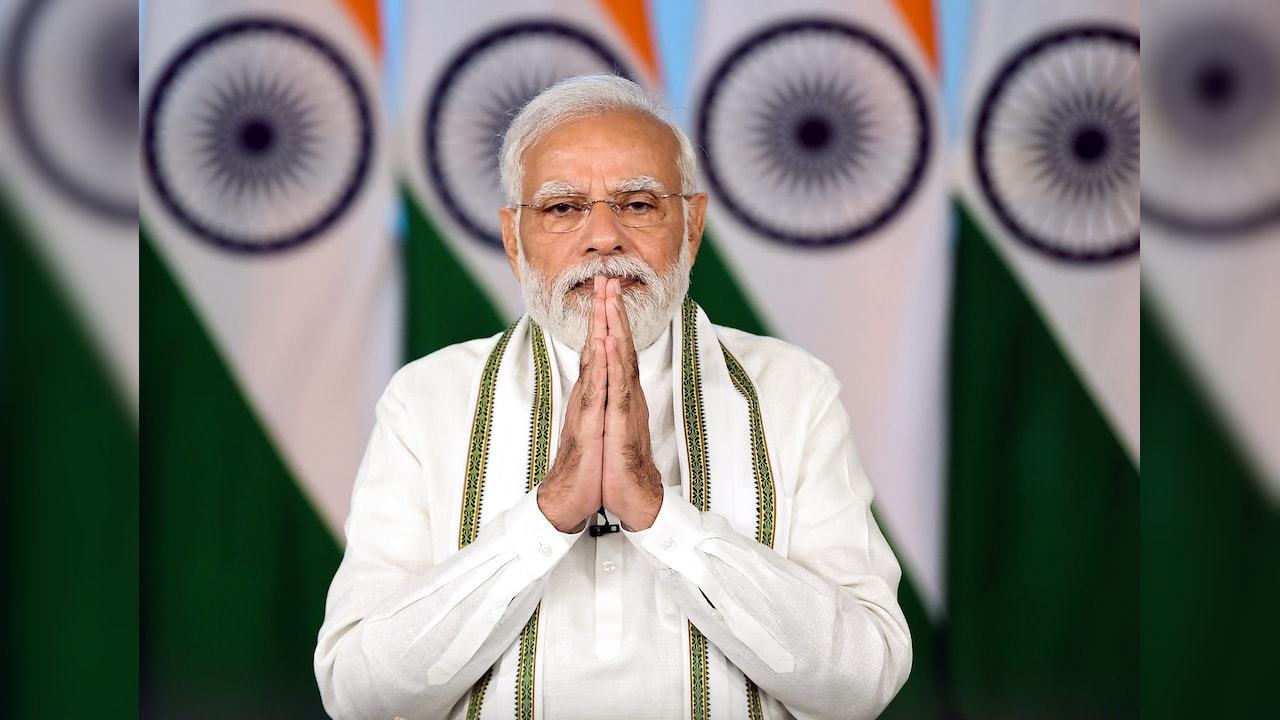
Speaking at the “India‑New Zealand: A Winning Partnership” forum in Auckland, Prime Minister Christopher Luxon hailed India’s economic transformation, calling it “incredible”. The remarks came during Indian Prime Minister Narendra Modi’s two‑day visit, which brought together CEOs, business leaders and policymakers from both nations.
Historical Context and Economic Leap
Since the liberalisation reforms of the early 1990s, India has consistently posted GDP growth rates of 6‑7% annually, turning the country into one of the world’s largest emerging markets. Luxon pointed out that under Modi’s leadership, 250 million people have been lifted out of poverty, the middle class now numbers 440 million, and it is projected to reach 750 million by 2030. Such a demographic shift not only expands domestic consumption but also makes India an increasingly attractive destination for foreign investment.
Sector‑Specific Collaboration Opportunities
Luxon identified four sectors where New Zealand and India can deepen ties: food and agricultural produce, tourism experiences, educational institutions, and technology. He noted that New Zealand’s premium dairy, meat and horticultural products can meet the taste of an increasingly affluent Indian consumer base, while India’s diverse cultural and natural attractions offer fresh itineraries for New Zealand travellers.
Free‑Trade Agreement as a Growth Engine
The India‑New Zealand Free Trade Agreement, signed in April 2026, was highlighted as a “depth‑adding” instrument that will simplify market access, boost investment flows, and facilitate talent mobility. Luxon urged New Zealand businesses to travel to India, understand local consumer preferences, and tailor their offerings accordingly. He described Indian consumers as “the most discerning in the world”, implying a high bar for quality and innovation.
Strategic Partnership Outlook
Referencing Austrian neurologist Viktor Frankl’s insight that governments, business leaders, and community leaders are the three pillars of society, Luxon called for a united effort to unlock the “huge opportunities” that lie at the intersection of the two economies. He encouraged the audience to view the bilateral relationship not merely as a trade channel but as a strategic partnership grounded in shared democratic values, diversity and a commitment to sustainable development.
Following the event, Modi and Luxon concluded 18 key outcomes, including the elevation of bilateral ties to a strategic partnership level. Both leaders emphasized that the new partnership framework will enable deeper collaboration across sectors, fostering innovation, job creation, and inclusive growth for both nations.