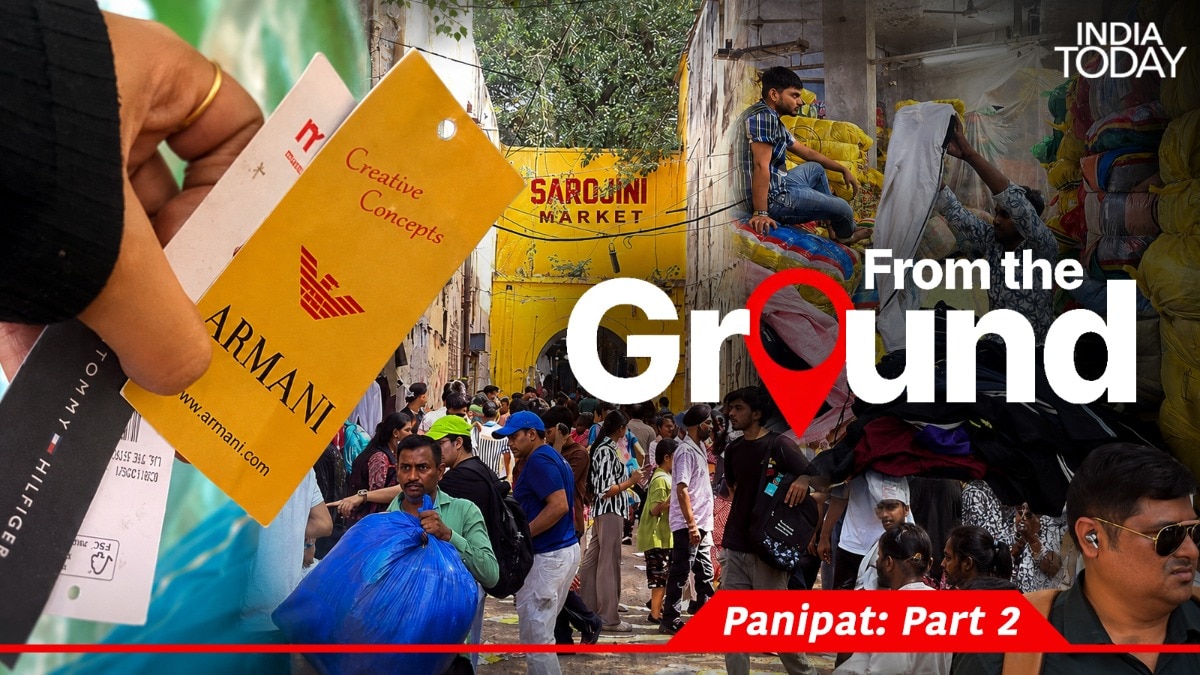
Discover the fascinating global supply chain of secondhand clothing, tracing how discarded Western apparel is processed in Haryana's Panipat before finding a second life in Delhi's iconic Sarojini Nagar market.
Key Takeaways
- Panipat serves as the global hub for recycling and processing discarded garments from Western nations.
- The ₹150 jeans sold at Delhi's Sarojini Nagar undergo a massive journey of sorting, refurbishing, and distribution.
- This circular economy highlights both environmental sustainability and the harsh realities of fast-fashion waste.
Delhi's Sarojini Nagar is legendary for its dirt-cheap fashion, where college students and budget shoppers haggle for trendy apparel. However, few stop to wonder about the extraordinary global journey of a pair of jeans priced at just ₹150. This journey often begins thousands of miles away in the closets of the United States, Europe, or Japan, where garments are discarded or donated, eventually embarking on a transoceanic voyage to India.
Panipat: The Cast-Off Capital of the World
The destination for these massive shipments of global textile waste is Panipat, a historic city in Haryana known as the 'cast-off capital of the world.' Every day, hundreds of tons of discarded clothing land in Panipat's sprawling recycling mills. Here, a highly organized labor force sorts the garments. The heavily damaged clothes are shredded to produce 'shoddy yarn,' which is then woven into cheap blankets. However, garments that are still wearable are segregated for a different destiny.
The Economics of Refurbishing and Upcycling
The wearable garments, including denim, undergo a meticulous process of restoration. Local artisans wash, repair, patch, and dye the jeans, replacing broken zippers and buttons to make them look as good as new. Due to low labor costs and highly efficient local networks, the cost of this entire refurbishing process remains remarkably low. Once ready, these garments are packaged and transported to wholesale markets in Delhi, eventually landing on the stalls of Sarojini Nagar with a modest markup.
Environmental Implications of the Circular Economy
This trade model represents a classic double-edged sword. On one hand, Panipat's recycling industry plays a crucial role in the global circular economy by preventing millions of tons of textiles from ending up in landfills, thereby reducing the carbon footprint of clothing disposal. On the other hand, it exposes the unsustainable pace of Western 'fast fashion,' where clothing has become so disposable that developing nations have essentially become the dumping grounds for the developed world's sartorial excess.