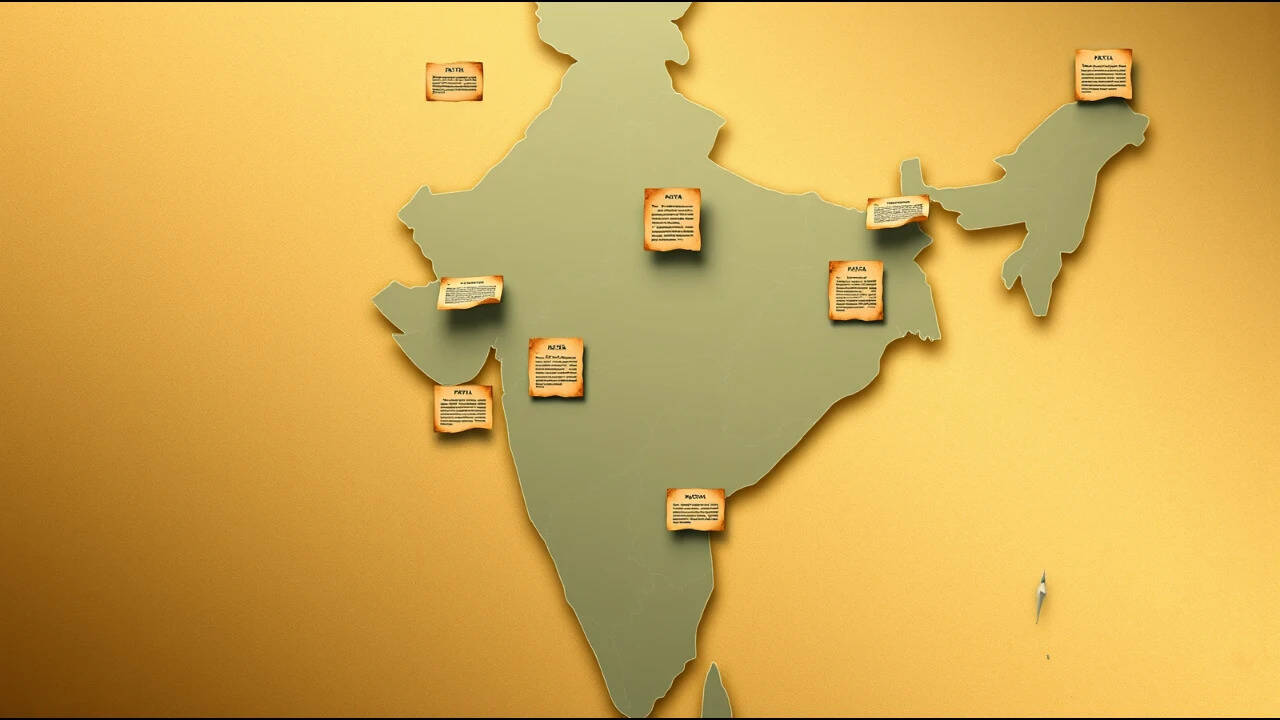
Land records are the backbone of every property transaction across India. Though states label them as 7/12, Khata, Jamabandi or Patta, their core function remains identical. Ongoing digitisation is rapidly making these vital records accessible online.
Key Takeaways (मुख्य बिंदु)
- 7/12, Khata, Jamabandi, and Patta are the primary land‑record documents used across Indian states.
- These records capture ownership, cultivation details, and tax liabilities for each parcel.
- Digital initiatives are simplifying online access to these records.
In India, every property transaction—sale, mortgage, inheritance, or tax payment—relies on a trustworthy land record. These documents not only certify legal ownership but also detail the current use of the land, cultivation patterns, and outstanding dues, making them indispensable for buyers, sellers, and authorities alike.
State‑Specific Terminology
Historical administrative practices have given rise to a mosaic of names. Maharashtra calls it Khata‑uni, Madhya Pradesh and Chhattisgarh use Jamabandi, Gujarat prefers the term Patta, while large parts of Maharashtra‑Karnataka region refer to the 7/12 Extract. Despite the nomenclature differences, each document contains the same essential data: owner’s name, land class, usage, and tax obligations.
Historical Roots and Legal Weight
The tradition of land‑registration in India stretches back to ancient empires, where royal edicts recorded land grants. The British codified the system in the 1856 Land Revenue Code, laying the foundation for modern records such as the 7/12, Khata and Jamabandi. In courts, these documents serve as decisive evidence in ownership disputes, underscoring their legal significance.
Accelerating Digitisation
Under the Digital India programme, states have launched dedicated land‑portal websites, allowing citizens to download their 7/12 extract or Khata‑uni instantly. This shift reduces paperwork, curtails fraud, and improves transparency. Nevertheless, challenges remain—ensuring data accuracy, timely updates, and bridging the rural‑Internet gap are critical for full adoption.
Future Outlook and Impact
A unified, nationwide digital land registry could transform property valuation, tax policy, and urban‑rural planning. Investors would benefit from a transparent ecosystem, while small farmers gain stronger protection of their rights. Ultimately, robust digitisation of land records can act as a catalyst for both economic growth and social equity in India.