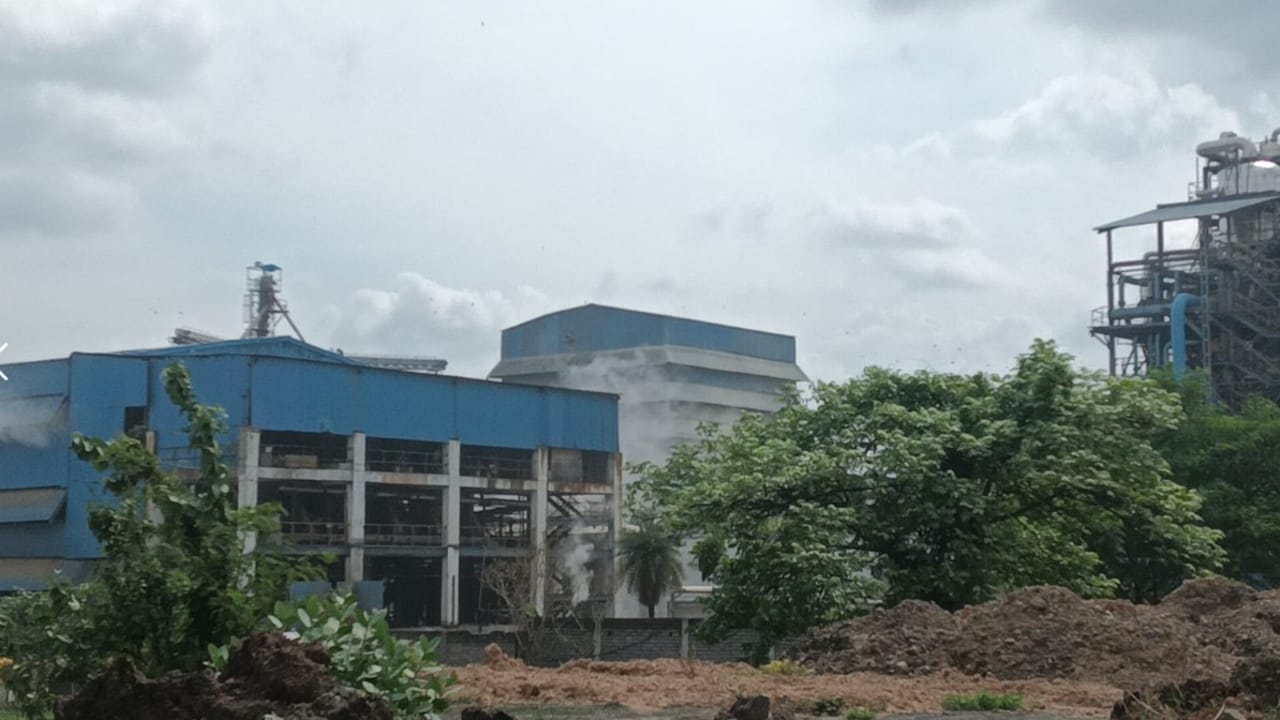
Authorities are probing how much of the 5‑lakh‑tonne government‑allocated rice was truly converted to ethanol and how much may have been siphoned through private mills before returning to state warehouses.
Key Takeaways
- Question over actual ethanol conversion of 5 lakh metric tonnes of rice
- 56 mills and 22 ethanol plants placed under investigation
- Need for stronger oversight mechanisms to curb future misuse
India’s push for bio‑fuel diversification has earmarked around 5 lakh metric tonnes of government rice for ethanol production, aiming to cut carbon emissions and reduce petroleum imports. Recent revelations suggest a massive “rice scam” where the true volume of ethanol‑derived output is uncertain, and a sizable portion may have been diverted through private mills before re‑entering government storage.
Policy Background
Since 2018, the central government has set an ambitious target to blend 5‑10% bio‑fuel in the national fuel mix, with rice‑based ethanol as a cornerstone. Subsidies and guaranteed off‑take agreements encouraged numerous small‑ and medium‑scale mills to join the supply chain. However, lax monitoring and fragmented documentation created loopholes, prompting allegations of rice misappropriation.
Focus of the Investigation
Investigators have now zeroed in on 56 mills and 22 ethanol plants. Their mandate is three‑fold: (i) determine the actual quantity of rice that was processed into ethanol; (ii) trace any rice that was rerouted back to government warehouses after passing through private facilities; and (iii) quantify the financial loss and tax revenue impact stemming from the alleged diversion.
Economic and Social Implications
If the diversion is substantiated, the fiscal hit could run into billions of rupees, while also raising food‑security concerns. The rice earmarked for ethanol could have bolstered farmer incomes or been redirected to address regional grain shortages. Moreover, the credibility of India’s bio‑fuel ecosystem may suffer, discouraging future private investment.
Expert Opinions
Economist Dr. Ravi Singh argues, “Transparency and real‑time tracking are non‑negotiable for large‑scale bio‑fuel schemes. Leveraging digital logistics and blockchain‑based ledgers can dramatically reduce leakage.” Agricultural analysts echo this sentiment, noting that proper rice utilization can simultaneously advance energy goals and safeguard food supplies.
While the probe is ongoing, officials have warned that any proven misconduct will attract severe penalties, and stricter regulations will be instituted to prevent recurrence.