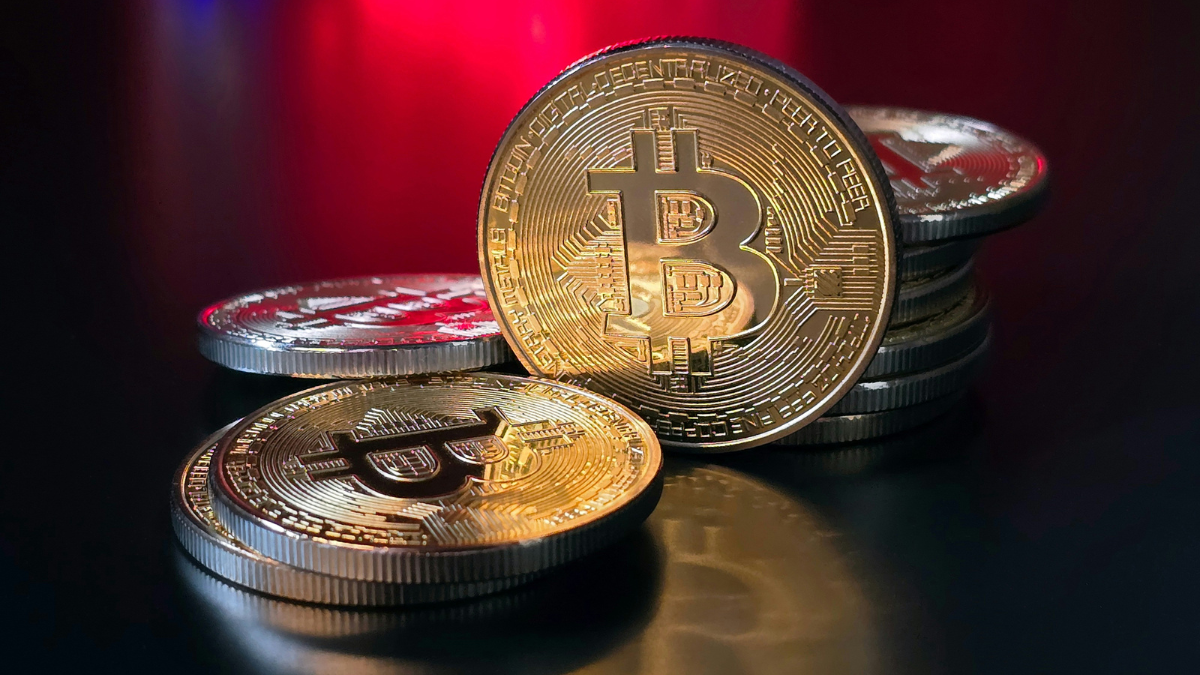
Bitcoin traded close to $63,000 on Monday despite escalating Middle‑East tensions. Analysts say fresh institutional purchases have steadied the market, while investors wait for U.S. inflation numbers and Fed commentary to gauge the next crypto move.
मुख्य बिंदु (Key Takeaways)
- Bitcoin steadies around $63,000
- Institutional buying underpins price resilience
- U.S. CPI data and Fed remarks will shape future direction
On July 10, 2026, Bitcoin slipped slightly from a recent peak of $63,800 to hover near $63,000, even as falling oil prices lifted overall sentiment in the cryptocurrency market. The price stability underscores that digital assets can retain investor confidence amid heightened geopolitical risk.
Geopolitical Landscape and Market Reaction
The resurgence of conflict in the Middle East, particularly the Israel‑Palestine flare‑up, has rekindled global risk aversion. Historically, such flare‑ups push capital toward traditional safe‑havens like gold or the U.S. dollar. This time, however, Bitcoin’s “digital gold” narrative appears to be gaining traction, bolstered by strong demand from large‑scale investors.
Impact of Institutional Purchases
Over the past fortnight, several sovereign wealth funds, pension plans, and publicly‑traded trusts disclosed sizable Bitcoin acquisitions. Institutional players bring deep liquidity and a long‑term horizon, often anchoring price movements. Their buying pressure prevented a slide below the $63,800 two‑week high, keeping the asset in a narrow consolidation range.
Upcoming U.S. Economic Data
The forthcoming U.S. Consumer Price Index (CPI) release and the Federal Reserve’s policy guidance are the next catalysts. A softer inflation reading could nudge the Fed toward a rate cut, which historically benefits risk‑on assets like Bitcoin. Conversely, a surprise uptick in inflation may prompt a hawkish stance, potentially reigniting downward pressure on crypto valuations.
Future Outlook and Investor Strategy
Analysts advise investors to adopt a longer‑term perspective despite short‑term volatility. Bitcoin’s fundamental strengths—capped supply at 21 million, growing institutional adoption, and expanding use‑case ecosystem—position it as a viable alternative store of value. Nevertheless, geopolitical shocks and regulatory shifts remain variables that demand vigilant risk management.