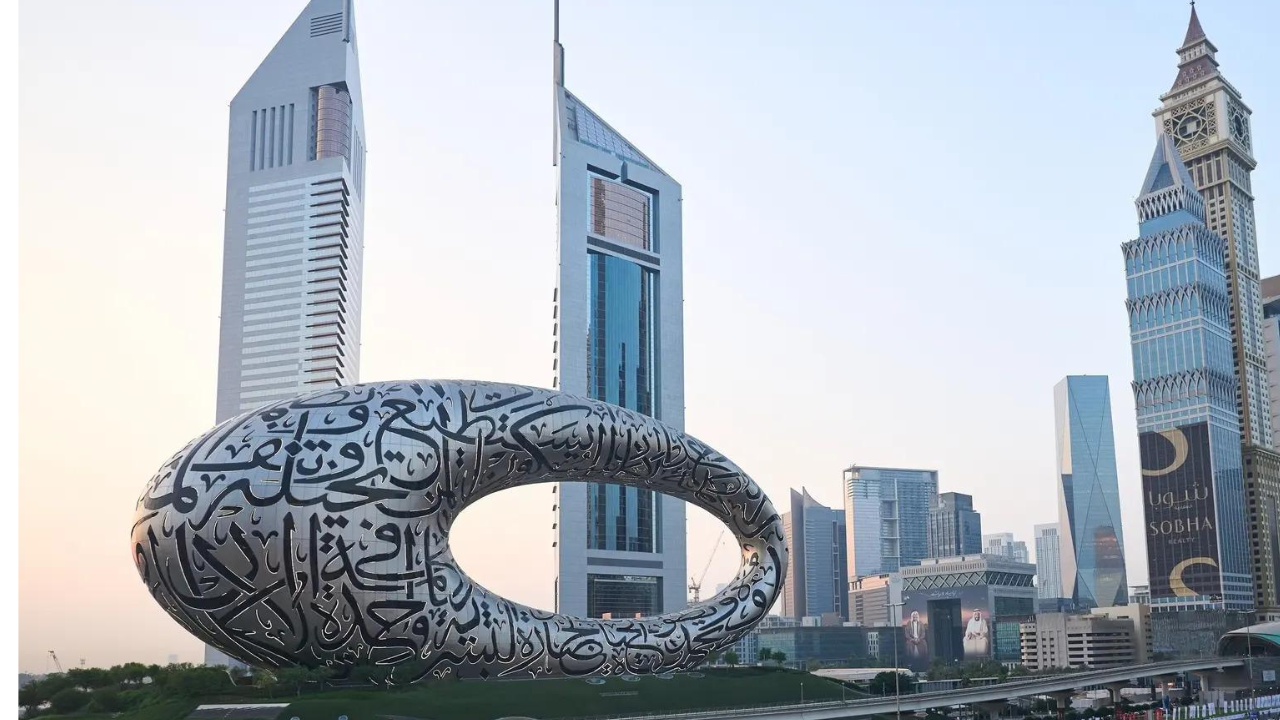
Dubai's residential property market recorded a 16% drop in sales during the first half of 2026, with prices slipping 4‑7% between February and April. The slowdown reflects heightened geopolitical tension in West Asia, yet sales remain 15% above the same period in 2024, showing lingering post‑pandemic momentum.
मुख्य बिंदु (Key Takeaways)
- Dubai residential sales fell 16% YoY in H1 2026
- Prices dipped 4‑7% between February and April
- 2025 set a record with AED 547 billion in sales across 150+ buyer nationalities
Dubai’s real‑estate sector entered a rare slowdown in early 2026 as escalating West‑Asian geopolitical tensions dampened buyer confidence. According to leading consultancy Anarock, residential transactions between January and June totaled AED 225.7 billion, a noticeable dip from the record‑setting levels of 2025.
Sales Decline and Price Pressure
Year‑on‑year, sales contracted by 16%, indicating that persistent regional uncertainty has directly impacted investment decisions. Between February and April, average residential prices fell between 4% and 7%, a reaction to the temporary demand shock caused by the conflict. Despite the correction, the average price per square foot held at roughly AED 1,900, slightly higher than the previous year’s AED 1,800.
Underlying Market Strength
Anarock’s Middle‑East residential chief Aayush Puri stressed that the dip was driven more by sentiment than by any fundamental weakness. “The early‑2026 conflict tested Dubai’s market at a time of peak regional uncertainty. Buyer activity rebounded steadily, prices remained resilient and demand continued to be supported by strong structural fundamentals rather than speculative momentum,” he told PTI. As cease‑fire initiatives gained traction, confidence among buyers began to recover, stabilising both activity and pricing.
2025: A Record‑Setting Year
Even with the softer start to 2026, Dubai’s residential market celebrated an unprecedented 2025, posting AED 547 billion in sales across 206,166 transactions. Buyers hailed from more than 150 countries, with Indians representing the largest share at 22%, followed by the United Kingdom (17%) and China (14%). The emirate also welcomed over 129,600 new property investors in 2025—a 23% rise from the previous year—underscoring the city’s enduring global appeal.
Looking Ahead
Future performance will hinge on the trajectory of geopolitical developments and the restoration of buyer confidence. Analysts believe that, given Dubai’s strategic positioning as a tourism, trade, and financial hub, coupled with sustained population growth, the residential market is well‑placed for a rebound once external pressures ease.