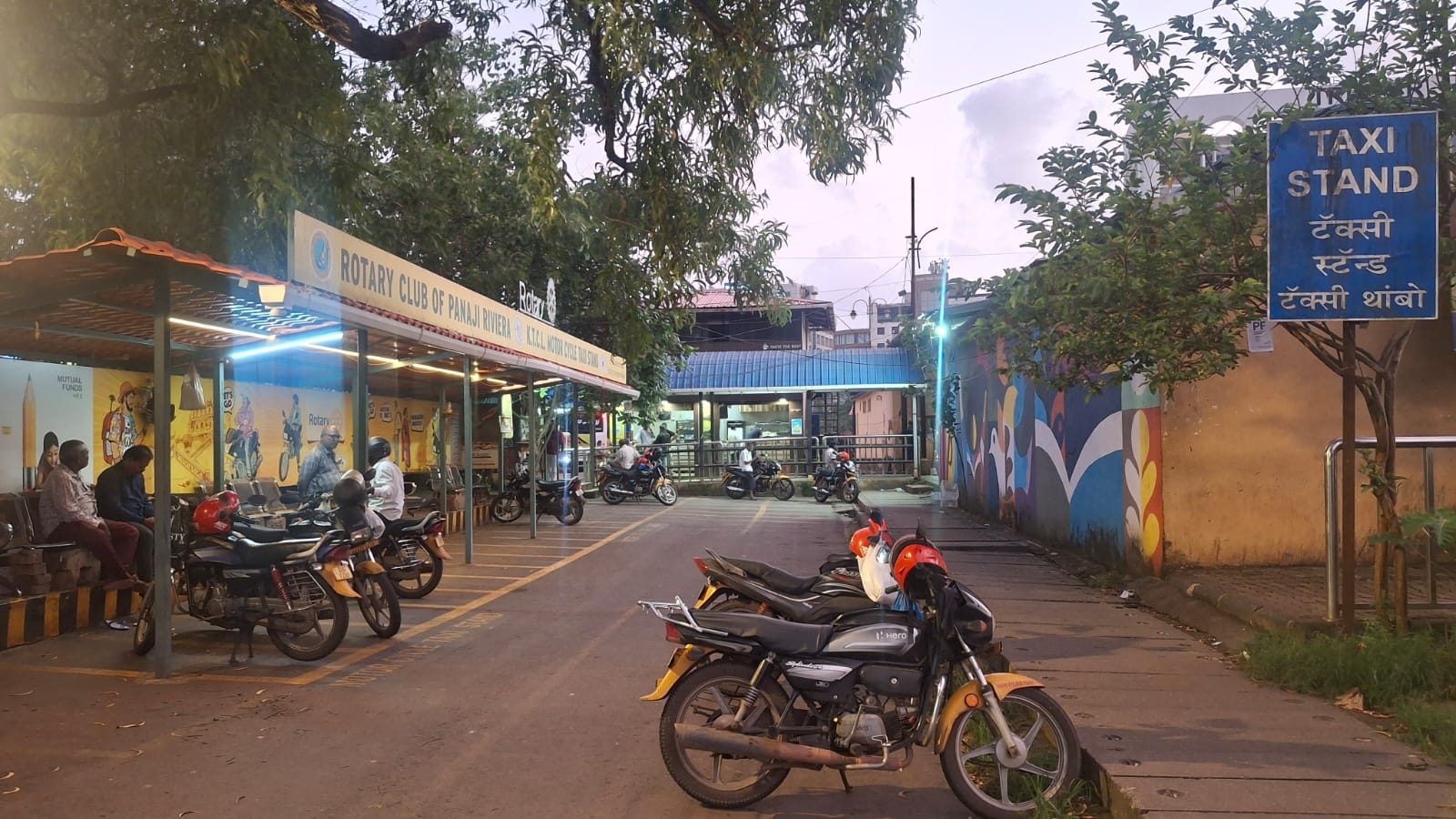
Goa’s traditional motorcycle taxi drivers, known as ‘pilots’, are grappling with falling earnings amid tourism fluctuations and the rise of rental‑bike models. The recently launched ‘Mhaje Driver App’ by the Chief Minister fails to address core concerns, according to many pilots.
Key Takeaways (मुख्य बिंदु)
- Pilots’ daily earnings are shrinking, especially in off‑season periods
- ‘Mhaje Driver App’ creates uncertainty rather than relief for pilots
- Tourism‑driven demand is being eroded by rental‑bike services and private taxis
Since the 1980s, the black‑and‑yellow motorcycle taxis have become a cultural icon of Goa’s bustling tourism corridor. Originating during Portuguese rule, the term “pilot” derives from the Portuguese word piloto, meaning driver. Today, about 1,500 pilots are registered with the Motorcycle Taxi Riders Association (MTRA), while numerous unregistered riders continue to operate informally.
Historical and Social Significance
In an era when public buses were sparse, pilots served as the lifeline for locals and visitors alike, shuttling passengers to beaches, markets, and the airport. Their reputation for reliability earned them the moniker “ambassadors of tourism,” fostering a trust‑based relationship that modern ride‑hailing platforms struggle to replicate.
Economic Pressures and Declining Income
Now, a typical pilot waits two hours between rides and may go months without an airport drop‑off. Fuel prices and maintenance costs keep rising, while government‑mandated fares have remained unchanged for years. Veteran pilot Raju ‘Datta’ Naik (73) notes that the sector once boasted roughly 8,000 pilots in 1999; today that number has fallen to about 1,500.
Government App Launch and Pilot Response
Last week, Chief Minister Pramod Sawant unveiled the ‘Mhaje Driver App’, promising digital bookings and improved last‑mile connectivity. Many pilots, however, view the platform as an aggregator that will levy commissions and undercut their earnings. “We do not want to get on the app. It will drive us out of business in the long run,” they warned.
Future Outlook and Potential Remedies
If pilots are not provided with sustainable support, the ripple effect could undermine Goa’s distinctive tourism ecosystem. Analysts suggest that beyond a digital solution, policymakers should revisit fare structures, regulate rental‑bike proliferation, and offer training for pilots to adapt to hybrid service models, ensuring both traditional and modern transport coexist.