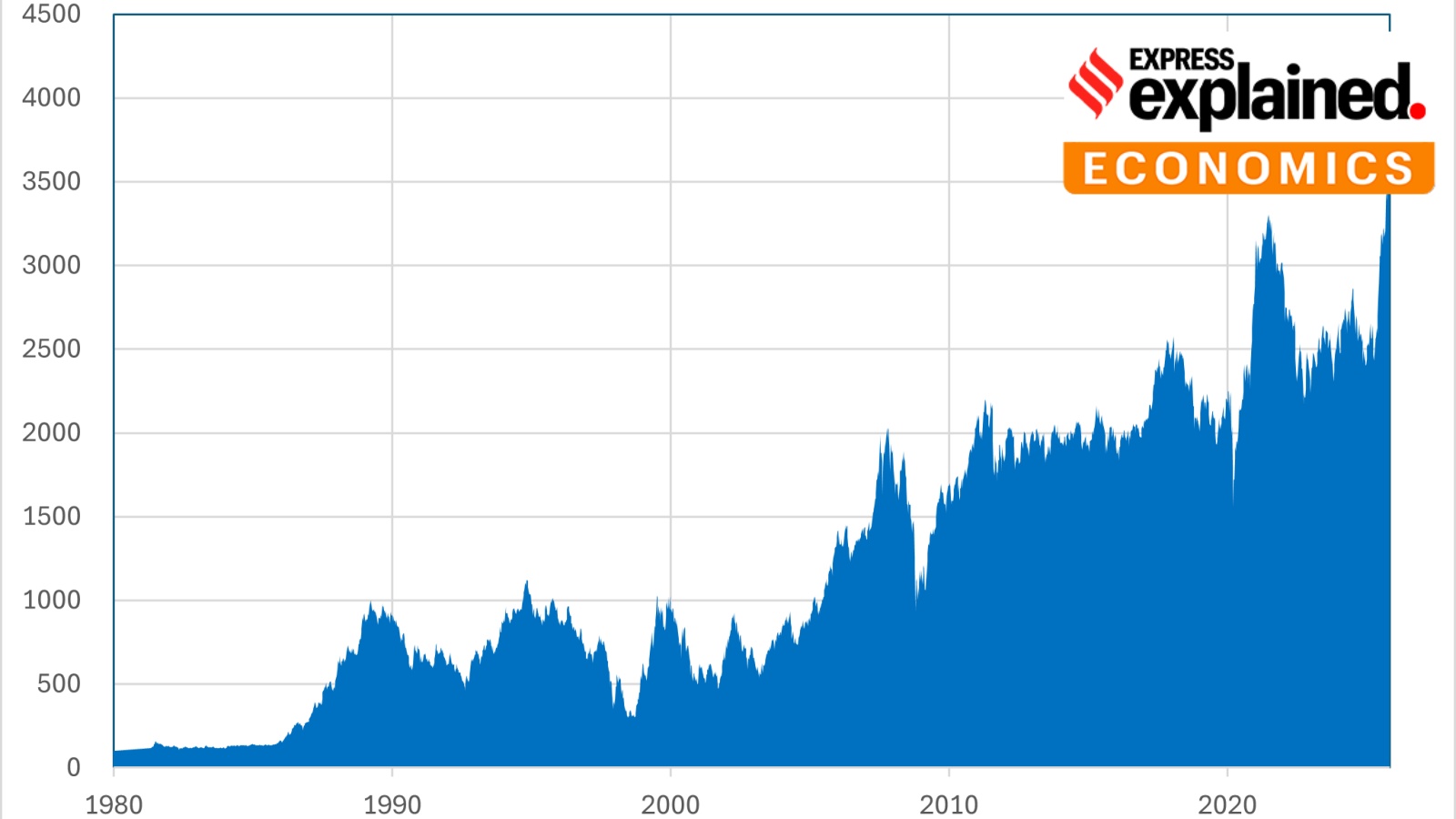
South Korea's KOSPI has slid 27% in three weeks while Taiwan's TAIEX fell only 2.3%. A surge in leveraged retail borrowing combined with heavy foreign selling intensified the market correction.
Key Takeaways
- Retail investors' leveraged debt pushed the KOSPI down 27% in three weeks.
- Heavy foreign institutional selling and the rapid rise of domestic leveraged products amplified volatility.
- Taiwan's TAIEX, despite similar AI exposure, remained relatively stable with a 2.3% decline.
South Korea’s KOSPI, once the year’s top‑performing equity market, suffered a fresh 9% drop on Monday, marking a 27% decline over the past three weeks. The correction is being driven by an overstretched AI rally and a surge in leveraged debt among retail investors, leaving the market vulnerable to cash shortages.
Retail Debt Explosion
Following the COVID‑19 pandemic, South Korean retail investors gravitated toward U.S. leveraged products that double both gains and losses. Billions of won flowed abroad, prompting regulators to introduce domestic single‑stock leveraged ETFs in late May, limited to Samsung Electronics and SK Hynix.
The new products instantly attracted retail traders, who either borrowed heavily from brokerages or used ultra‑short‑term options that require only a small upfront margin. Consequently, margin debt surged to a record $39 billion in May, according to ValueTheMarkets, and many brokers hit the borrowing limits set by local firms.
Foreign Institutional Selling
Since the start of 2026, foreign portfolio investors have off‑loaded roughly $13 billion of South Korean equities, fearing that the AI‑driven rally is unsustainable. This external pressure, combined with the internal debt buildup, forced a double‑whammy on the KOSPI.
Taiwan’s Resilient Counterpart
By contrast, Taiwan’s TAIEX—also dominated by AI‑heavy stocks like TSMC—has slipped only about 2.3% in the same period. Taiwanese retail investors favor passive, high‑dividend ETFs that provide regular payouts, helping them stay invested even during short‑term market turbulence.
Outlook
Despite the correction, AI stocks remain a core theme for investors as the global “AI arms race” continues. Goldman Sachs’ portfolio‑strategy chief Christian Mueller‑Glissmann described the sell‑off as “cyclical” and warned that over‑leveraged retail positions amplified the dip, but the underlying AI trend stays structurally robust. Policymakers, however, must tighten risk‑management rules around leveraged products and enhance investor education to prevent repeat crises.