Former U.S. Congressman James Graham, who championed a 500% tariff on nations buying Russian energy, was hailed by Donald Trump as a true American patriot. The proposal targets India, China and Brazil, raising concerns over global trade dynamics.
मुख्य बिंदु (Key Takeaways)
- James Graham introduced a bill imposing a 500% tariff on countries importing Russian energy.
- Donald Trump praised Graham as a true American patriot after his death.
- The measure could dramatically increase energy costs for India and other major importers.
James Graham, a former member of the U.S. House of Representatives, used his legislative platform to push for punitive tariffs on nations that purchase Russian energy products. His most controversial effort was a proposal to levy at least a 500‑percent duty on countries such as India, China and Brazil, a move that would have sent energy prices soaring.
Trump’s Tribute and Political Context
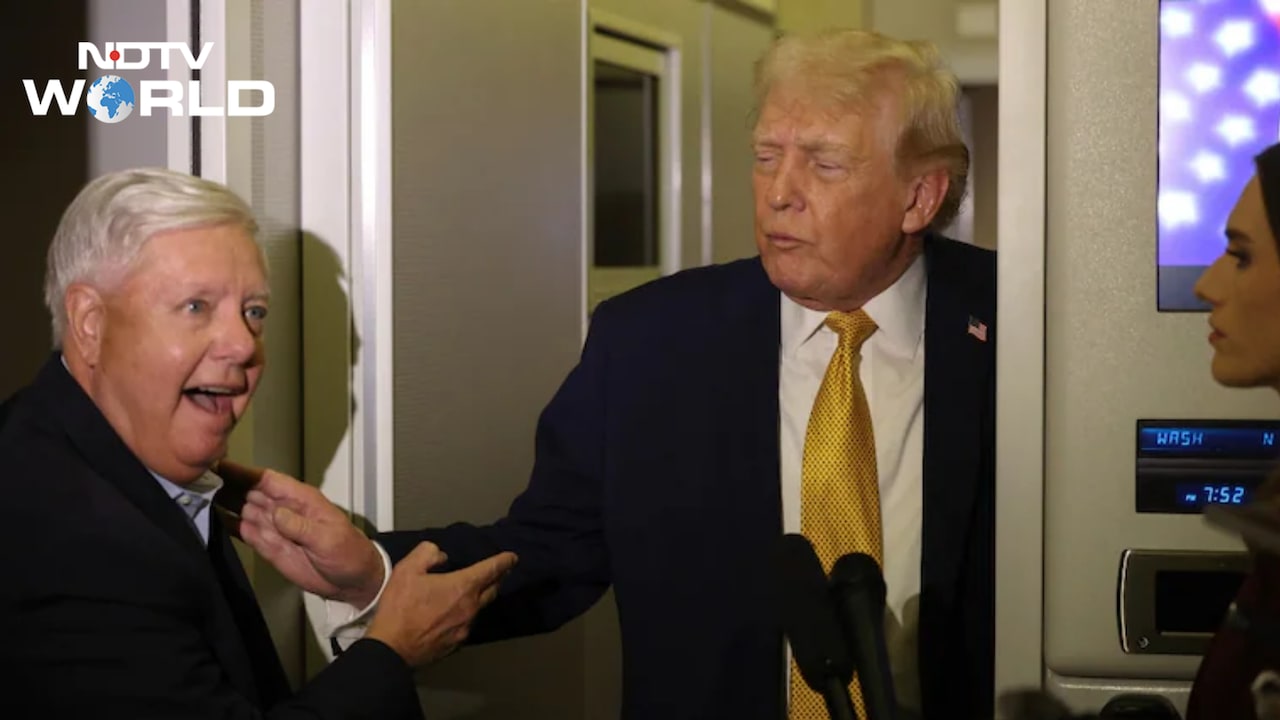
Former President Donald Trump recently remembered Graham, describing him as a “true American patriot” who would be “greatly missed.” Trump’s remarks go beyond personal condolence; they signal endorsement of Graham’s hard‑line stance on energy security and American economic leverage.
Background of the Tariff Bill
The bill, introduced in Congress in 2023, aimed to cripple Russia’s energy export revenues by making the cost of its oil, gas and coal prohibitive for key buyers. A 500% tariff is unprecedented; it would not only inflate import prices but also strain diplomatic and trade relationships with the targeted nations.
Implications for India
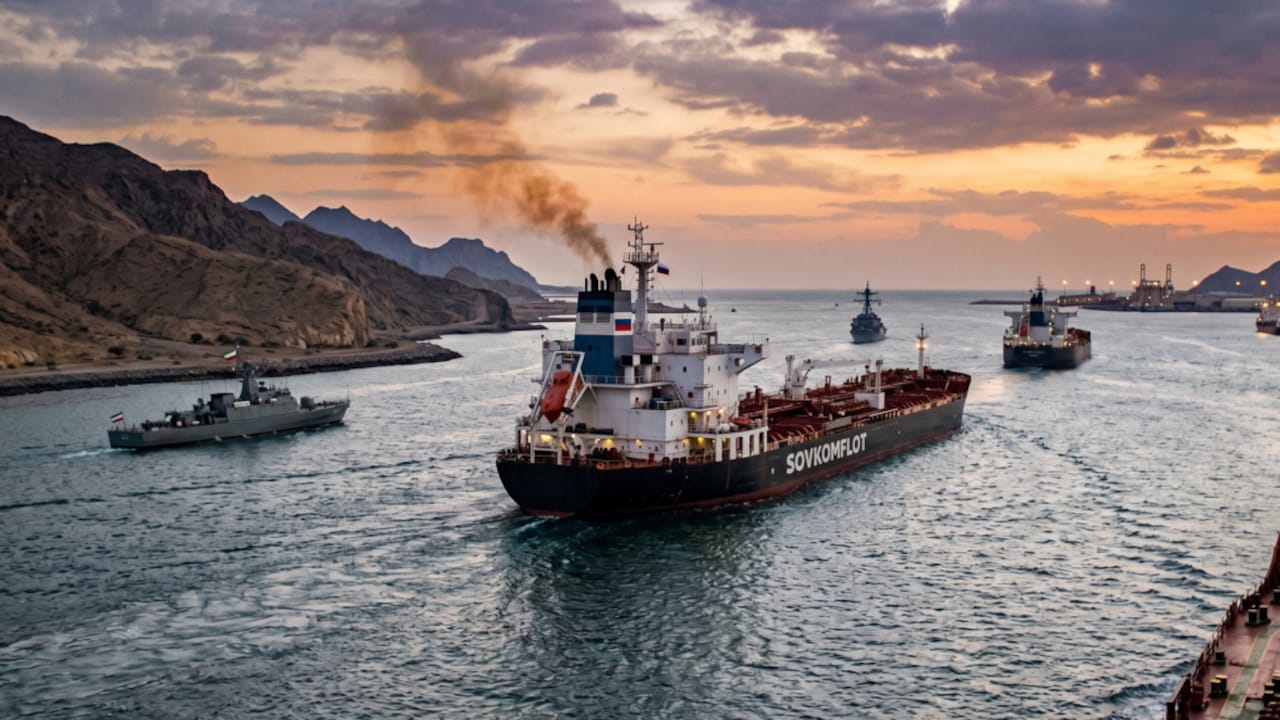
India, which relies heavily on Russian crude and coal to meet its growing energy demand, would face a steep price hike if such a tariff were enacted. Energy analysts warn that the country could see a surge in electricity and fuel costs, potentially slowing economic growth. To mitigate the shock, India may accelerate renewable‑energy projects and diversify its import sources.
Looking Ahead
Trump’s public praise may revive interest in Graham’s tariff agenda within certain congressional circles. While some lawmakers view the proposal as a necessary tool for national security, others criticize it as an escalation of trade warfare. Meanwhile, diplomatic channels between Washington, New Delhi, and other affected capitals are likely to intensify as they seek a pragmatic resolution.