India’s foreign exchange reserves are a cornerstone of its economic stability. This article breaks down what they consist of, who holds them, and how the RBI strategically deploys them.
मुख्य बिंदु (Key Takeaways)
- Forex reserves comprise foreign currency assets, gold, SDRs and the IMF reserve tranche.
- The RBI builds reserves by buying dollars, earning interest and attracting NRI deposits.
- Reserves are primarily used to smooth rupee volatility and meet import‑payment obligations.
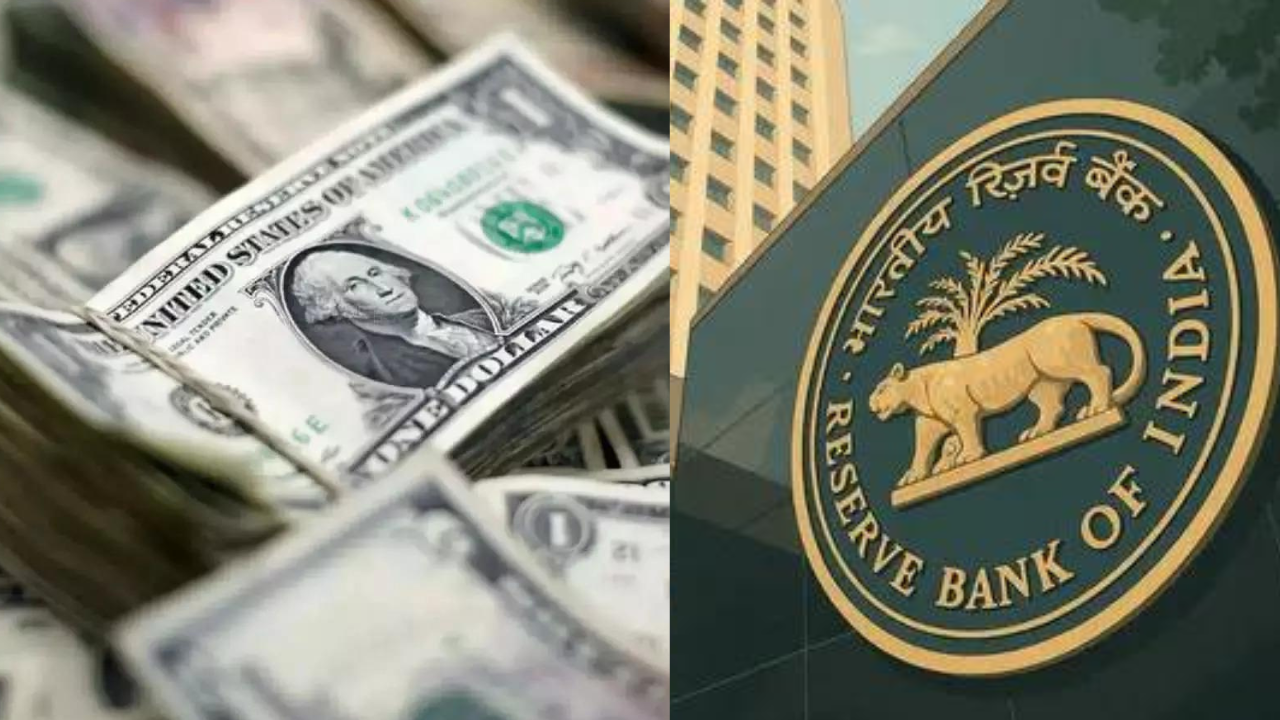
What are forex reserves? In simple terms, they are a nation’s emergency fund held in foreign currencies, gold and other international assets. The Reserve Bank of India (RBI) uses this pool to pay for imports, service external debt and defend the rupee when market pressure mounts.
Four Pillars of India’s Reserves
The reserves are divided into: Foreign Currency Assets (FCA) – largely US Treasury bonds and deposits with foreign central banks; Gold reserves – valued at about $105.2 billion as of early July 2026; Special Drawing Rights (SDRs) – IMF‑issued international assets now worth $18.6 billion; and Reserve Tranche Position (RTP) – India’s quota‑linked line of credit with the IMF that can be drawn without conditions. Together they pushed total reserves to $674.19 billion for the week ending July 3.
Legal Framework and Institutional Players
The Reserve Bank of India Act, 1934 gives the RBI statutory authority to hold and manage these assets, while the Foreign Exchange Management Act (FEMA), 1999 regulates all foreign exchange transactions. The IMF administers SDRs and the reserve tranche, and the Ministry of Finance coordinates broader external sector policy but does not custody the reserves.
Historical Context and Recent Developments
During the 1991 balance‑of‑payments crisis India pledged gold to secure emergency loans, and in the 2008 global financial shock the reserves cushioned the economy without an IMF bailout. More recently, the Middle‑East conflict pressured the rupee, prompting the RBI to sell dollars and push the reserve total down. Prime Minister Narendra Modi’s public appeals since May—cutting foreign travel, limiting fuel consumption and pausing gold purchases—aim to preserve the foreign‑exchange kitty.
Looking Ahead
The RBI’s revamped FCNR‑B deposit scheme targets non‑resident Indians, seeking $40‑$50 billion of fresh deposits. Early uptake suggests $3‑$4 billion has already been mobilised, providing a new source of foreign currency inflow. Combined with market interventions, this tool should help rebuild the reserve buffer and give the RBI greater flexibility to manage future volatility.