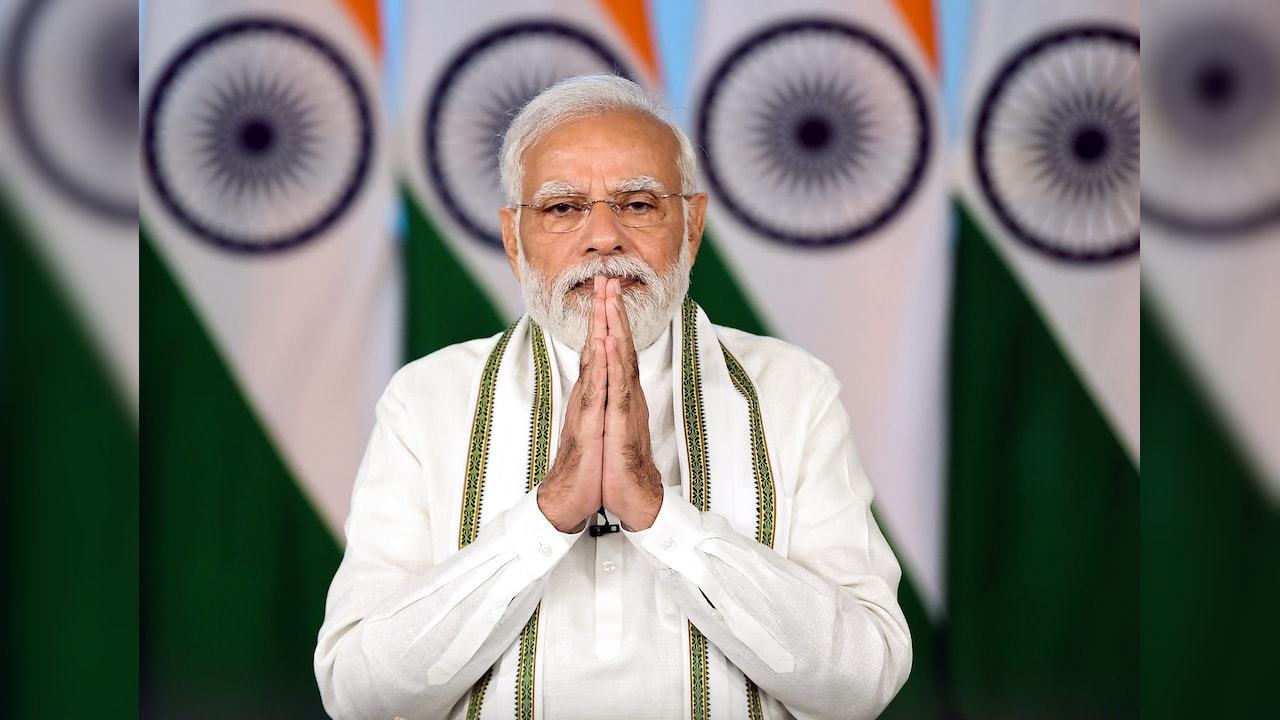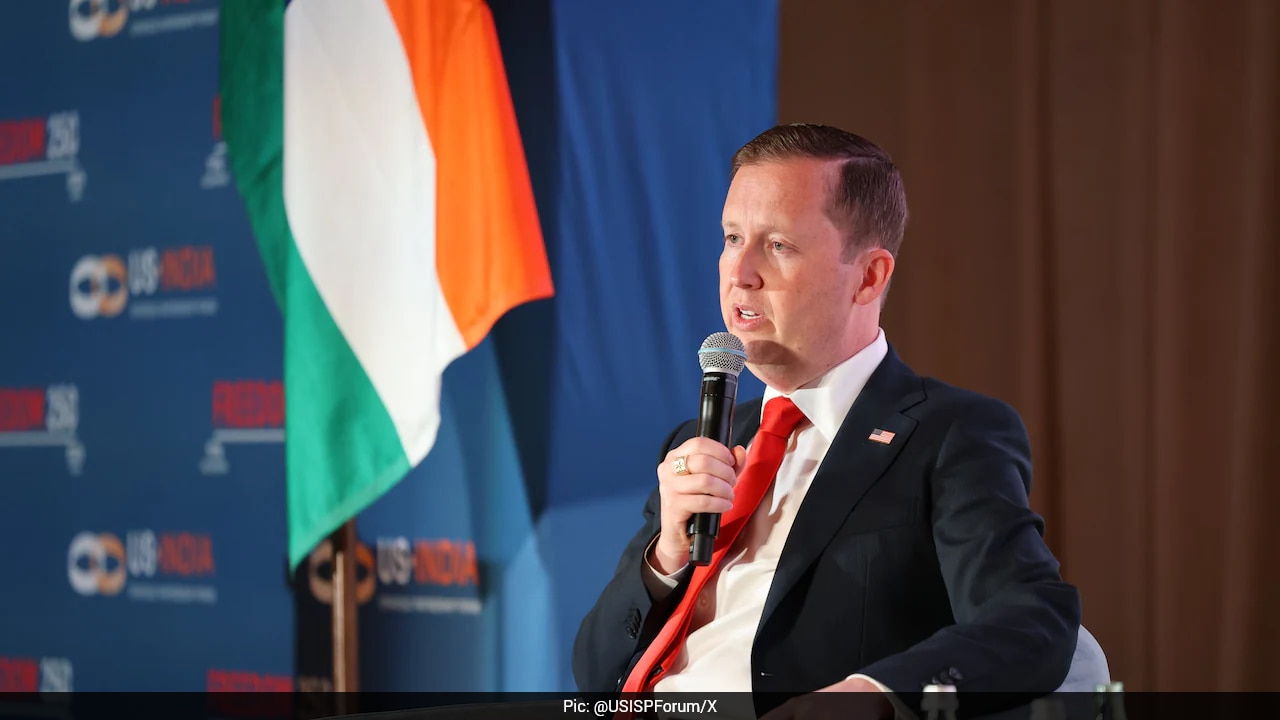
The US envoy clarified that India has not rejected any trade agreement, countering a report that alleged otherwise. Commerce Minister Piyush Goyal also labeled the claim as entirely false. Constructive talks between the two nations continue unabated.
Key Takeaways
- US envoy calls the report false
- India has not rejected any trade deal
- Both sides continue constructive talks
A Washington‑based report claimed that India turned down a fast‑track trade deal with the United States. The statement was promptly refuted by the US envoy, who emphasized that “no one has rejected anything” and that both parties are actively engaging in constructive negotiations toward an agreement.
Historical Context of the Bilateral Talks
U.S.–India trade relations have been deepening over the past decade, with a series of high‑level dialogues launched in 2022 to reduce barriers and boost investment. The notion of a “quick” deal has attracted analysts due to its potential to unlock significant economic gains, prompting both governments to keep the dialogue alive.
False Report and Official Responses
Following the report’s circulation, Indian Commerce Minister Piyush Goyal publicly denounced the story as “completely false.” Goyal stressed that India has not declined any agreement and that all discussions remain transparent and forward‑looking. Misleading information can erode trust, a vital component of any bilateral partnership.
Future Prospects
Trade experts argue that sustained constructive engagement could eventually yield a comprehensive pact, enhancing export‑import flows, simplifying investment procedures, and fostering tech collaboration. Meanwhile, both nations’ diplomatic and economic bodies must remain vigilant about source verification to avoid inadvertent escalation.
Conclusion
Fact‑based diplomacy and accurate reporting are essential to preserve the momentum of U.S.–India trade talks. The clear statements from the US envoy and Indian officials confirm that the process is ongoing, not a rejection, reinforcing optimism for a mutually beneficial agreement.