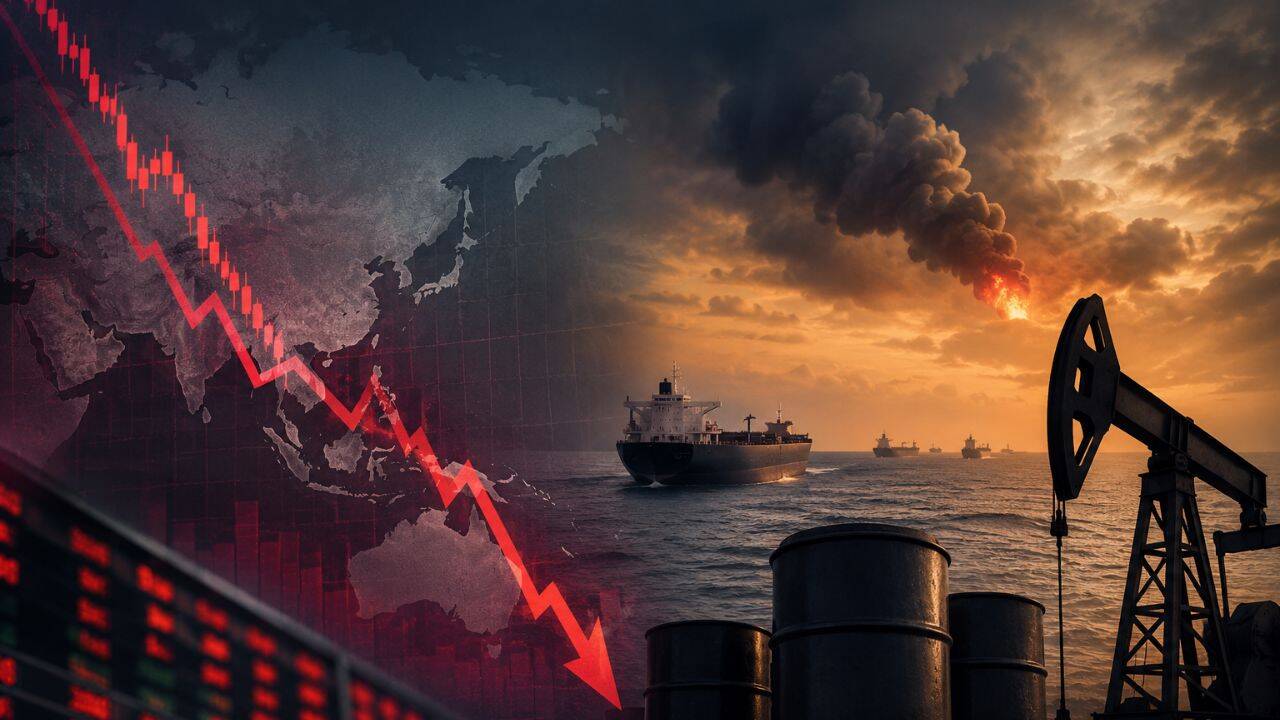
U.S. President Donald Trump's decision to reinstate a blockade on Iranian shipping and levy a 20% transit fee through the Strait of Hormuz sparked a sharp sell‑off in Asian markets, while oil prices surged to a one‑month high. The escalation adds fresh volatility to global trade and energy markets.
Key Takeaways
- U.S. reinstates blockade on Iranian vessels and announces a 20% transit fee for Hormuz traffic.
- MSCI Asia‑Pacific index falls 1.7%; Taiwan and South Korea lead with >3% and >5% declines.
- Brent and WTI crude rise ~2% to four‑week highs after missile strike on UAE tankers.
President Donald Trump declared that Washington will once again block Iranian shipping in the Gulf and impose a 20% fee on cargo transiting the Strait of Hormuz. The move, framed as a cost‑recovery measure for maritime security, has amplified already‑tense U.S.–Iran relations and triggered a broad market sell‑off across Asia.
Market Reaction
The MSCI broadest Asia‑Pacific index, which excludes Japan, slipped 1.7% after a volatile opening. Taiwan’s benchmark fell more than 3% and South Korea’s KOSPI dropped over 5%, while Japan’s Nikkei 225 declined a modest 0.8%. U.S. S&P 500 e‑mini futures were down 0.3%.
Oil Prices Surge
Brent crude futures rose $1.68 (2%) to $84.98 a barrel, and U.S. West Texas Intermediate (WTI) gained $1.65 (2.1%) to $79.79 a barrel. Brent’s jump marked a 9.6% gain in the previous session – its biggest one‑day rise since May 2020 – pushing both benchmarks to four‑week peaks.
Triggering Incident
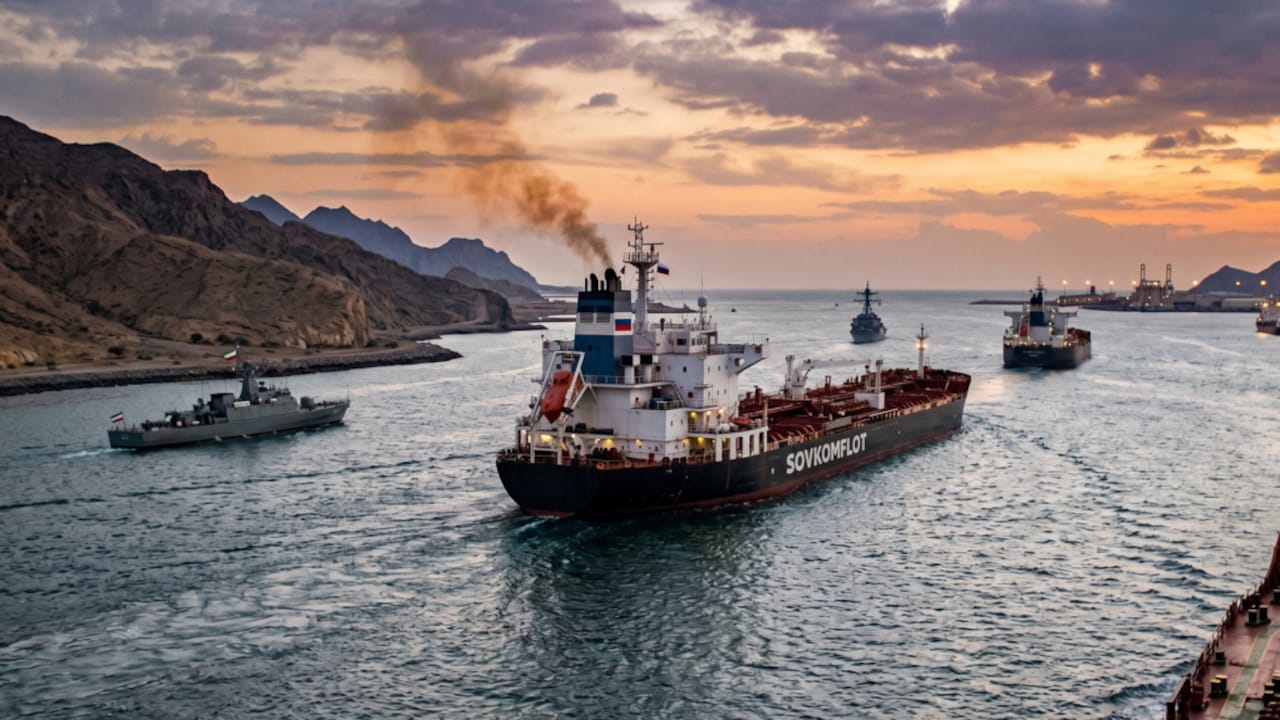
The price spike followed a missile attack on two United Arab Emirates tankers in the southern lane of the Strait, inside Omani waters. According to the UAE Ministry of Defence, two Iranian cruise missiles struck the vessels, killing one Indian crew member and injuring eight others. The incident has intensified calls for heightened security and added a dangerous military dimension to the commercial dispute.
Political Rhetoric
Iranian Foreign Minister Seyed Abbas Araghchi mocked Trump’s 20% fee on X, asserting that Iran has always been the “guardian” of the strategic waterway and that “20% is of course too much – we will be fair.” Trump, in turn, proclaimed the United States the “Guardian of the Hormuz Strait,” promising to recover security‑related costs while reinstating the blockade against Iran and its customers.
Implications for Investors
Analysts warn that sustained geopolitical friction could disrupt oil supplies, inflate shipping costs, and depress risk‑appetite in the region’s export‑driven economies. Investors may need to reassess exposure to energy‑linked equities and consider hedging strategies against further escalation.