In the first half of 2026, Dubai's residential property sales fell by 16% while prices climbed 6%. Despite Middle‑East geopolitical strain, the market’s fundamentals remain robust, signalling a shift toward a more balanced, mature phase.
Key Takeaways
- Residential sales in Dubai dropped 16% in H1 2026
- Property prices rose about 6% despite lower transaction volume
- Geopolitical tension has not dented investor confidence
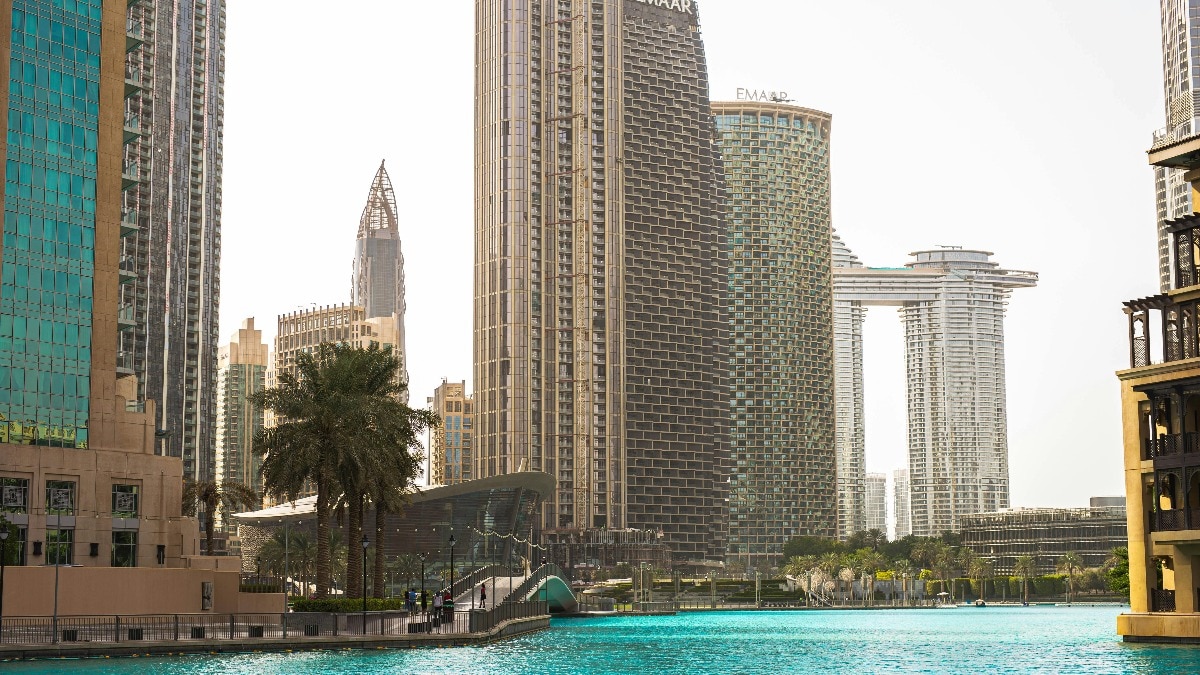
Dubai’s residential real‑estate market recorded a sharp slowdown in the first six months of 2026, with total transaction value falling to AED 225.7 billion – a 15.7% decline from the same period last year. Yet, average property prices rose roughly 6%, underscoring that demand in premium segments still outstrips supply.
Why Sales Slipped
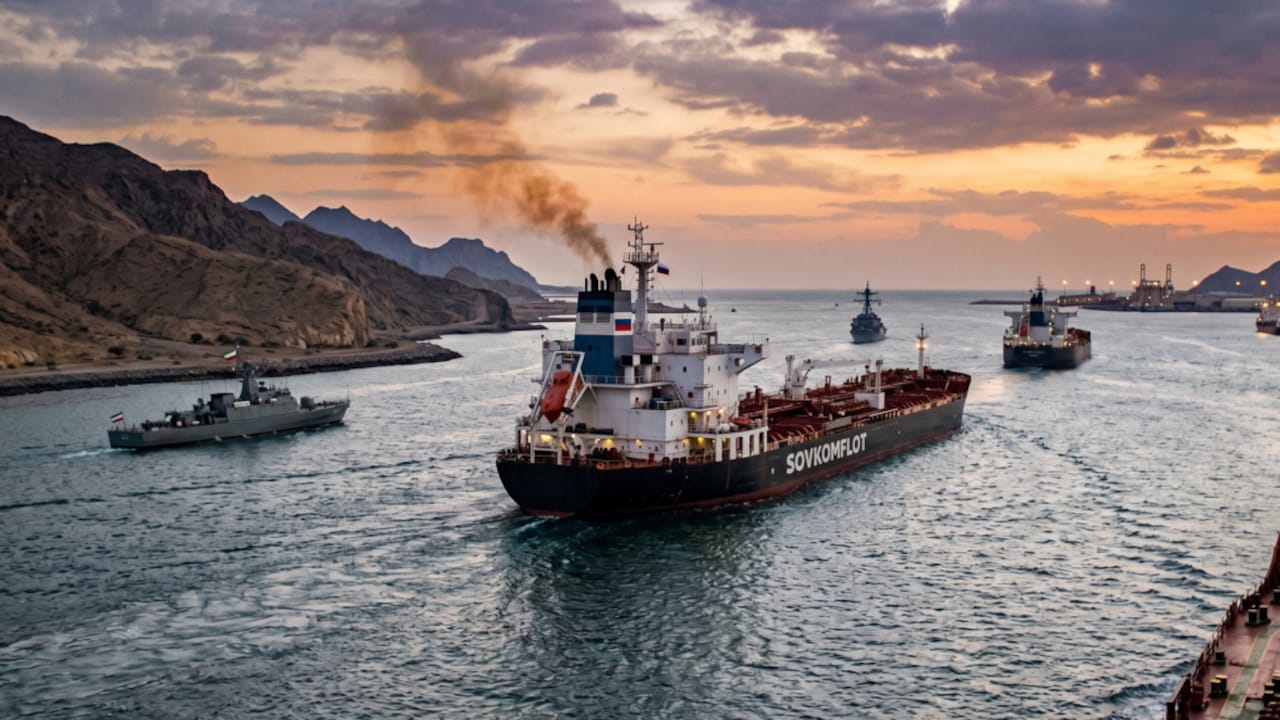
According to consultancy firm Enaroc, escalating geopolitical uncertainty across the Middle East prompted many buyers to adopt a “wait‑and‑see” stance. This sentiment curbed transaction speed but did not translate into lower price points, because high‑end assets continued to attract strong interest.
Drivers Behind the Price Surge
The price uplift is attributed to limited supply of premium units, especially in prime locations, and sustained appetite from overseas investors. Dubai’s investor‑friendly regulations, diversified economy, and ongoing infrastructure projects have kept the market buoyant. Buyers are now more selective, prioritising long‑term value, amenities, and location over speculative gains.
Outlook and Risks
If geopolitical volatility persists, transaction volumes may remain constrained. However, continued government incentives, robust infrastructure development, and persistent international demand are likely to preserve the sector’s resilience. Analysts forecast that the market will keep favouring high‑quality projects with limited inventory, reinforcing a mature, value‑oriented environment.
Editor’s Comment: Dubai’s property market is evolving from a rapid‑growth sprint to a steady‑pace marathon, offering investors a more predictable risk‑reward profile. Even amid regional tensions, the city’s real‑estate remains a safe‑haven asset class for global portfolios.