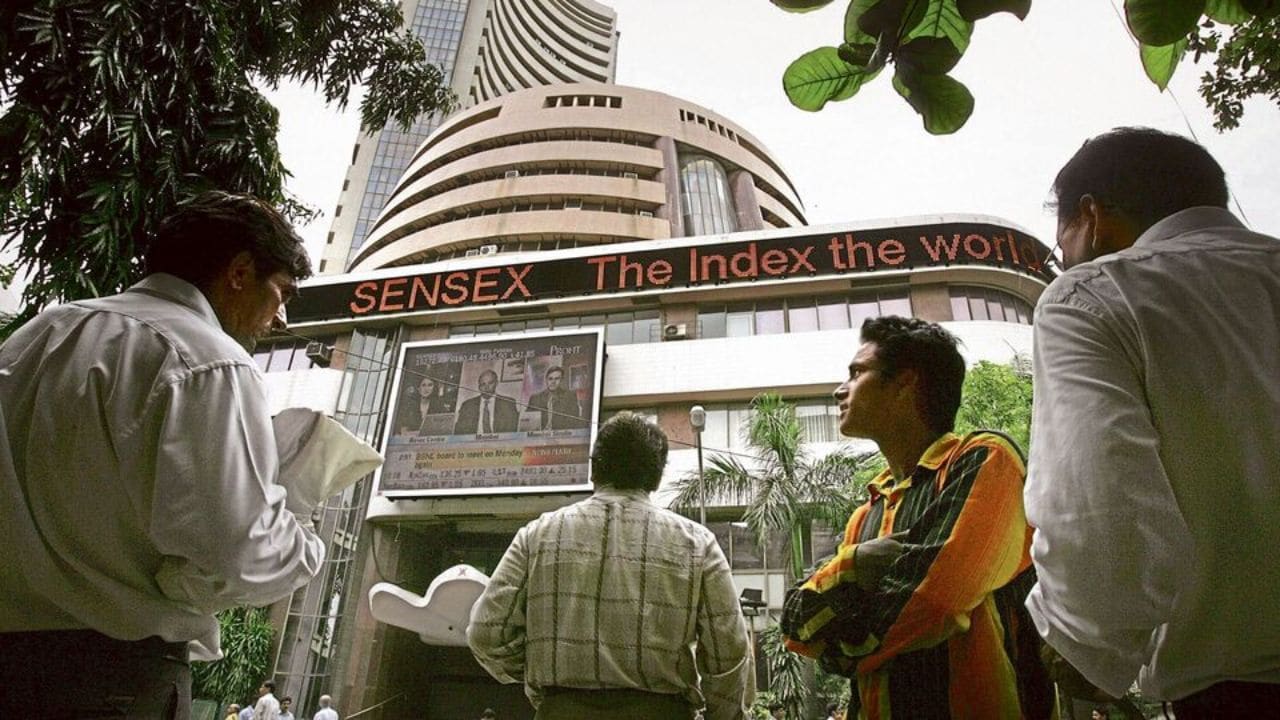
Rising crude prices are set to push Indian equities lower. An in‑depth look at how the surge to $85 per barrel impacts the Sensex, Nifty and investors' tactical choices.
Key Takeaways
- Brent crude climbs to around $85 per barrel, a one‑month high.
- A 10% rally in oil prices is weighing on Indian equity markets.
- Sensex and Nifty could open in the red, urging traders to stay cautious.
As Brent crude breaches the $85‑a‑barrel threshold, Indian stock markets are bracing for a noticeable pull‑back. After a 10% rally over the past month, oil prices have reached their highest level in thirty days, exerting downward pressure on energy‑linked equities and spilling over into broader market sentiment.
Immediate Market Impact
The sharp rise in oil costs is not limited to energy firms; it ripples through financials, real‑estate and consumer‑goods companies whose input costs are tied to petroleum. Investors are increasingly risk‑averse, prompting expectations that both the Sensex and Nifty may open in negative territory. Stocks of companies heavily dependent on oil—such as Tata Power, Reliance Industries and infrastructure giants—are likely to see price erosion.
Historical Context and Comparisons
Over the last two decades, whenever Brent hovered between $80‑$90, Indian indices have typically slipped 0.5%‑1%. The pattern aligns with global economic uncertainty, geopolitical friction and shifts in monetary policy. This time, OPEC+ production cuts combined with the U.S. Federal Reserve’s hints at further rate hikes are identified as the primary drivers of the rally.
Investor Strategies
Prudence is the watchword. Market analysts advise tilting portfolios toward defensive sectors—pharmaceuticals, consumer staples and IT services—to cushion the blow. Short positions or hedging instruments on oil‑sensitive stocks can also mitigate exposure. Long‑term investors are urged to focus on fundamentals rather than seasonal volatility.
Future Outlook
If Brent breaches $90, equity markets could experience deeper corrections. Conversely, a stabilization in demand or a policy shift from OPEC+ could temper the slide and set the stage for a gradual recovery. In the interim, traders should monitor economic data releases, inventory reports and central‑bank signals for clues on the next market move.