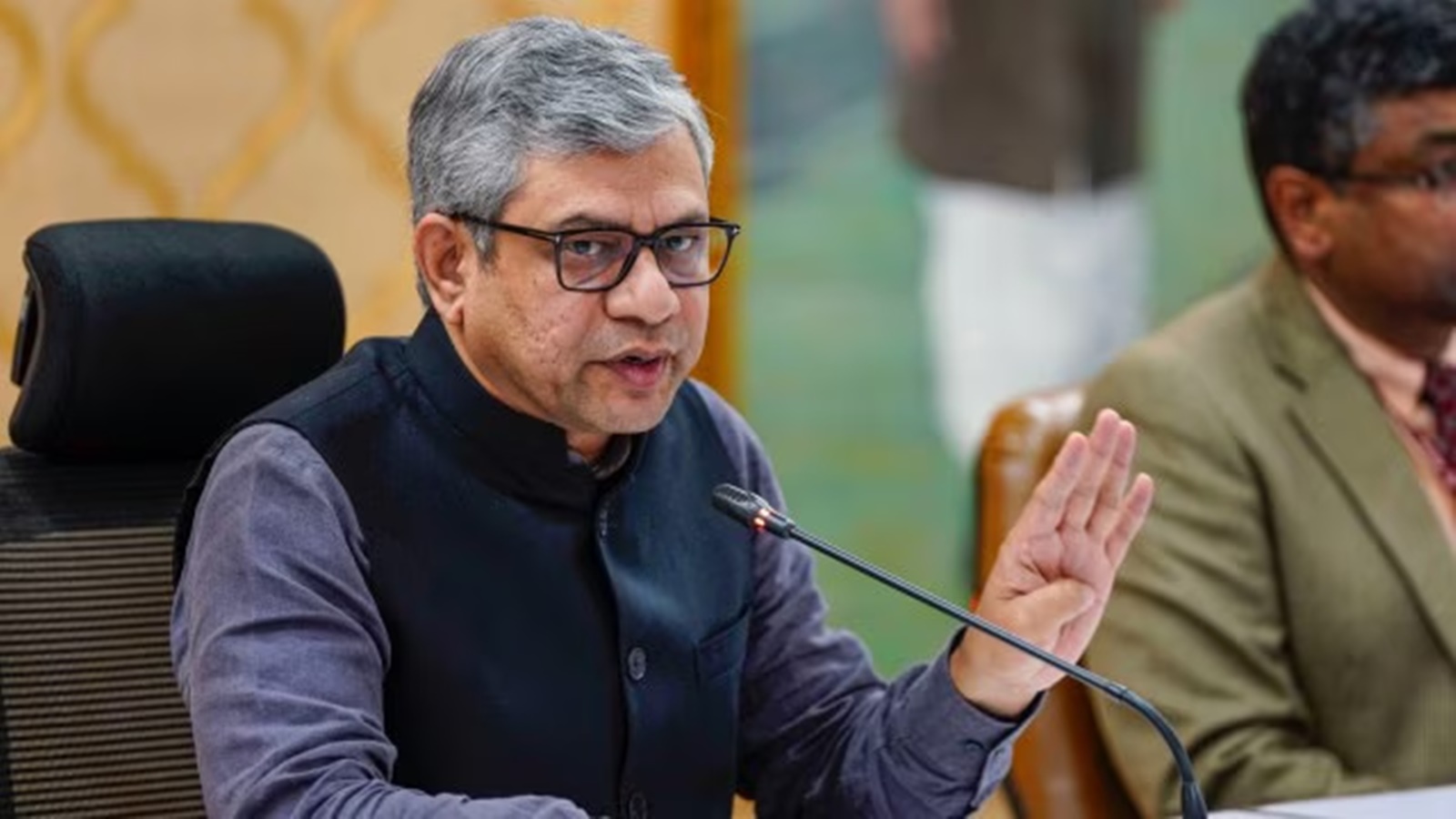
Rail Minister Ashwini Vaishnaw announced eight key reforms covering fly‑ash, container, fertilizer, petroleum and food‑grain transport, aiming to accelerate freight logistics and raise construction standards. The measures bring the total under the “52 reforms in 52 weeks” initiative to 17.
Key Takeaways (मुख्य बिंदु)
- Closed‑container transport for fly ash to curb pollution.
- Unified Container Train Operator (CTO) licence system for all routes.
- Industry‑driven wagon design policy allowing specialised freight wagons.
New Delhi, July 14, 2026 – In a sweeping policy address, Railway Minister Ashwini Vaishnaw introduced eight reforms designed to speed up freight movement while improving the quality of railway‑related construction projects. The reforms span fly‑ash logistics, container operations, fertilizer shipments, a revamp of wagon design, dedicated petroleum‑product wagons, and containerised transport of food grains, flour and pulses.
Why the Reforms Matter
India currently moves only about 4 % of its annually generated fly ash by rail, the rest being hauled on open‑deck trucks that spew dust and contribute to roadside pollution. By mandating closed‑container carriage, the ministry aims to eliminate airborne ash, reduce health hazards, and unlock the latent capacity of the rail network for this high‑volume commodity. Similarly, a single, unified licence for Container Train Operators (CTOs) eliminates the need for multiple route‑specific permits, cutting administrative overhead and enabling faster, more flexible routing.
Industry‑Led Wagon Design Overhaul
Historically, the Research Designs and Standards Organisation (RDSO) has been the sole designer of Indian Railways’ freight wagons, restricting innovation to components approved under Indian Railway Standards (IRS). The new policy opens the design floor to private manufacturers: any qualified designer can submit a prototype, which RDSO will evaluate, approve for testing, and, upon successful trials, certify for full‑scale deployment. This shift is expected to accelerate the introduction of specialised wagons—particularly for Petroleum, Oil and Lubricant (POL) products—where custom‑built wagons can improve safety and efficiency.
Skill Development and Contract Security
Beyond logistics, the minister announced a skill‑validation framework for artisans working on railway projects. Electricians, fitters, masons, plumbers and other tradespeople will undergo rigorous assessments to ensure that only certified personnel handle critical technical tasks. In parallel, contractors will now be required to post a 10 % performance security at the outset of a project, replacing the previous practice of deducting the amount from ongoing bills. This move is intended to strengthen contract compliance and protect project timelines.
Digital Land Acquisition and Future Outlook
To complement the freight reforms, Vaishnaw introduced the “Rail Bhoomi” portal—a digital platform for managing land acquisition processes, promising greater transparency and speed. With these eight measures, the “52 reforms in 52 weeks” campaign has now delivered 17 reforms, signaling a decisive push toward modernising India’s rail freight ecosystem. Analysts predict that, if implemented effectively, these policies could lower logistics costs, reduce carbon emissions, and position Indian Railways as a competitive player on the global supply‑chain stage.