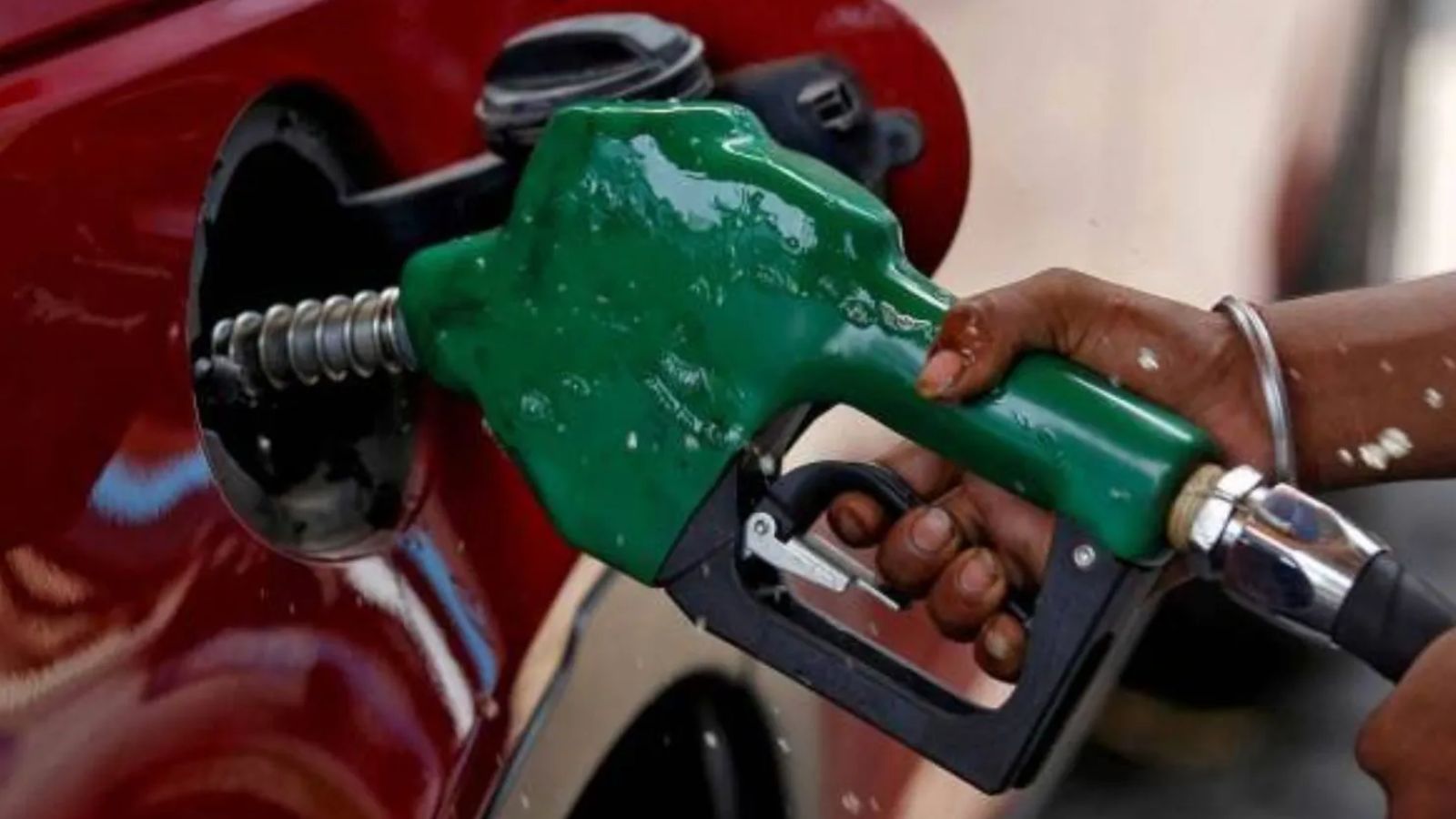
India has amassed an extra 700 crore litres of ethanol capacity through aggressive corn‑sugarcane policies and new refineries. The pressing question now is how to channel this surplus into a sustainable energy and economic advantage.
Key Takeaways
- India now has 700 crore litres of excess ethanol capacity.
- Utilising the surplus depends on policy tweaks, market creation, and environmental gains.
- Government must tighten blending norms, promote exports, and strengthen the bio‑fuel ecosystem.
India’s recent achievement of an additional 700 crore litres of ethanol production capacity marks a significant milestone in its bio‑fuel agenda. This surge stems from expanded corn‑sugarcane cultivation, the commissioning of new ethanol plants, and advances in conversion technology. Yet, turning this numerical advantage into tangible benefits requires a clear, actionable strategy.
Policy Background
The nation’s ethanol push began in 2018, aiming to increase the ethanol‑petrol blend (E10) and reduce reliance on imported petroleum. By 2022, the government set a 20 % blending target, spurring demand for feedstock and prompting a wave of plant installations. The cumulative effect has produced a surplus capacity of roughly 700 crore litres.
Current Bottlenecks
Despite the capacity, domestic ethanol consumption remains below the target. Key constraints include an under‑developed distribution network, limited engine compatibility for higher blends, and price competitiveness with conventional fuels. Moreover, the sugar sector faces a feedstock dilemma, as a larger share of sugarcane is diverted to ethanol rather than sugar production.
Strategic Options
1. Raise Blending Standards – Move from a 10 % to 15‑20 % mandatory blend, guaranteeing a steady demand floor.
2. Export Incentives – Offer tax rebates and streamlined logistics for ethanol shipments to Southeast Asian and African markets.
3. Integrated Bio‑Fuel Hubs – Develop clusters that co‑process sugarcane bagasse, corn stover, and other biomass, lowering production costs and creating ancillary jobs.
Future Outlook
If these measures are pursued swiftly, the excess capacity can bolster energy security, support rural economies, and contribute to India’s climate commitments. However, the success hinges on policy consistency, investor confidence, and rapid technological adaptation across the automotive sector.