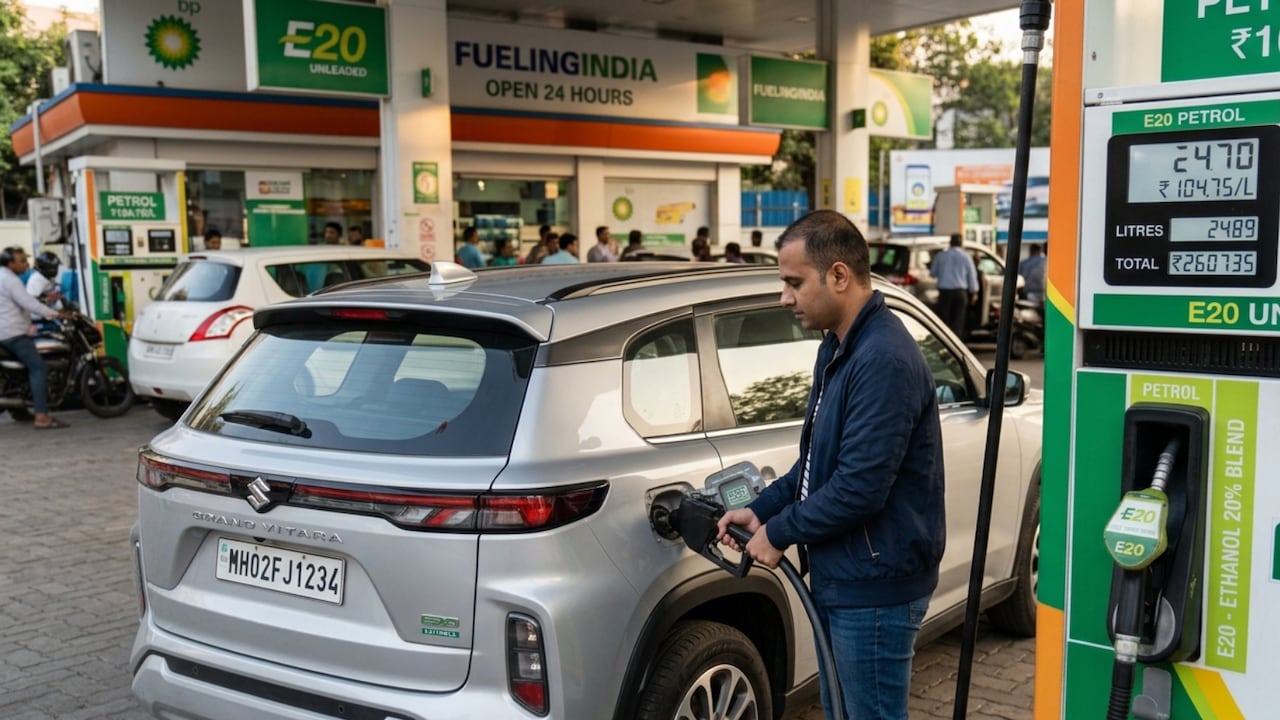
The proposed CAFE III draft recognizes ethanol and biofuel-powered vehicles, offering a strategic advantage to manufacturers and greener choices for buyers.
Key Takeaways
- CAFE III norms prioritize ethanol and biofuel-powered vehicles in efficiency calculations.
- Targets are set for manufacturers' average fleet efficiency rather than individual cars.
- The move incentivizes automakers to adopt greener fuel technologies.
- Consumers can expect more diverse and eco-friendly vehicle options.
The Indian automotive landscape is witnessing a paradigm shift with the introduction of the CAFE III (Corporate Average Fuel Efficiency) draft norms. In a significant move toward sustainability, the new regulations explicitly recognize the role of ethanol and biofuel-powered vehicles. This recognition is expected to reshape how automobile manufacturers approach fuel efficiency and emission targets, marking a decisive step toward India's decarbonization goals.
Understanding the CAFE III Framework
Unlike traditional fuel efficiency standards that often scrutinized individual vehicle models, the CAFE regime focuses on the aggregate fuel efficiency of a manufacturer's entire fleet. By integrating ethanol-run vehicles into these calculations, the government is providing a massive strategic advantage to companies that invest in alternative fuels. If a manufacturer produces a high volume of biofuel-compatible vehicles, their overall 'corporate average' improves, making it easier to comply with stringent emission mandates.
Strategic Implications for the Auto Industry
This policy shift acts as a powerful catalyst for innovation. Automakers are no longer just competing on engine displacement or horsepower; they are now competing on fuel versatility. The 'edge' given to ethanol-run cars encourages R&D in flex-fuel engines and optimized biofuel delivery systems. This transition is crucial for manufacturers looking to balance the high-performance demands of consumers with the mandatory reduction in carbon footprints.
Impact on the Consumer and the Economy
For the end-user, the benefits are twofold: affordability and sustainability. As manufacturers pivot toward ethanol-compatible technology, the market will see a surge in diverse vehicle segments that offer lower running costs. Furthermore, from a macroeconomic perspective, promoting ethanol consumption strengthens the domestic agricultural sector and significantly reduces the nation's heavy reliance on imported crude oil, aligning with the vision of an 'Atmanirbhar Bharat'.