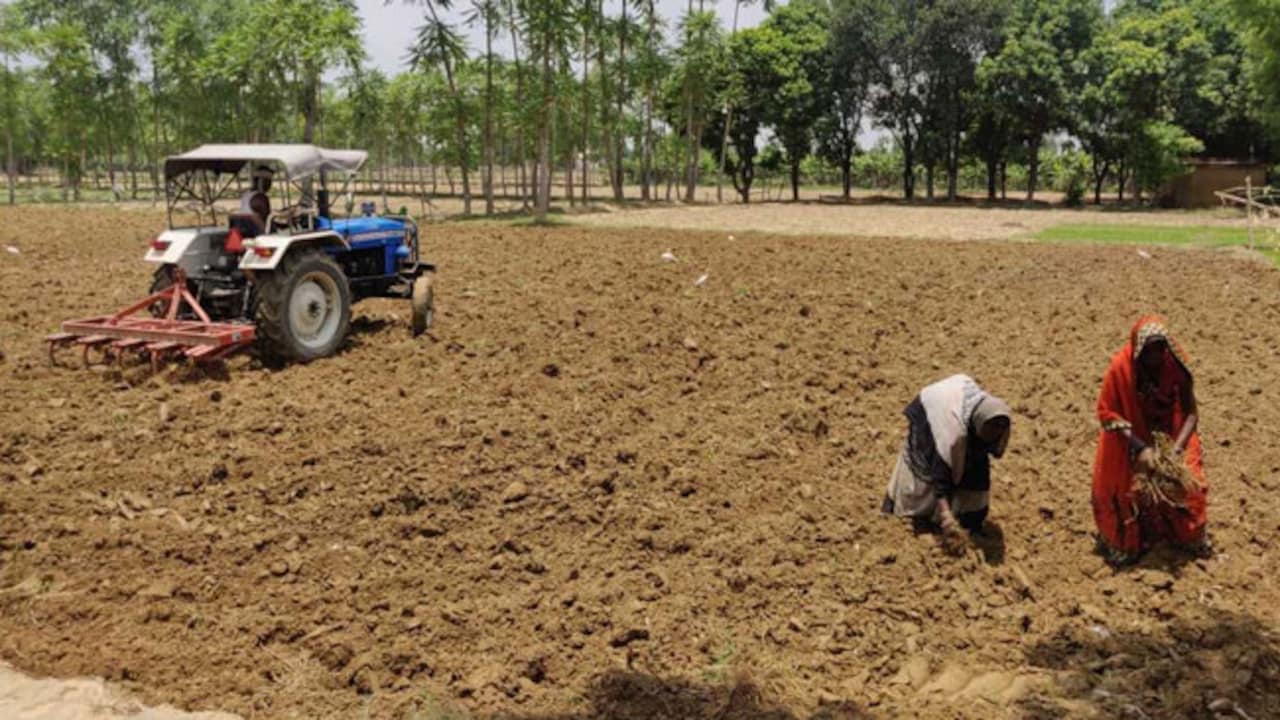
Farmers across key districts are forced to rely heavily on tube wells, driving up irrigation expenses as a 28% shortfall in rainfall jeopardizes paddy production.
Key Takeaways (मुख्य बिंदु)
- Rainfall in Punjab down 28%, putting paddy yields at risk
- Heavy reliance on tube wells inflates irrigation costs
- Higher fertilizer and pesticide spend raises overall cultivation cost by up to 15%
Punjab’s core paddy‑producing districts have recorded a 28% deficit in monsoon rainfall this year, sharply curtailing water availability for the staple crop. To compensate, farmers are turning to tube wells, extracting groundwater at a much higher price and adding to the financial burden of cultivation.
Historical Background
Since the Green Revolution of the 1960s, Punjab became India’s rice bowl, thanks to extensive canal networks and subsidised irrigation. Over the past two decades, however, groundwater levels have steadily declined, exacerbated by erratic rainfall patterns linked to climate change. The shift from surface water to tube‑well dependence marks a significant departure from the state’s original agricultural model.
Current Situation
Government data projects the average paddy yield dropping from 5.2 tons per hectare to roughly 4.1 tons per hectare. The cost of pumping water via tube wells, previously around ₹15,000 per hectare, has surged to about ₹22,000. Concurrently, fertilizer and pesticide prices have risen by roughly 12%, pushing total production costs up by 15%.
Comparison Table
| Metric | Before (Normal Rain) | Now (28% Deficit) |
|---|---|---|
| Annual Rainfall | ≈ 600 mm | ≈ 432 mm |
| Tube‑well Dependence | 15 % of fields | 45 % of fields |
| Irrigation Cost (₹/ha) | 15,000 | 22,000 |
| Total Production Cost (₹/ha) | 80,000 | 92,000 |
| Average Paddy Yield (tons/ha) | 5.2 | 4.1 |
Why This Matters (इसके मायने क्या हैं)
BozokMedia analysis shows that declining paddy yields threaten both food security and export revenues for the state. Rising costs push farmers deeper into debt, amplifying rural economic instability and potentially sparking social unrest.
Reliance on groundwater intensifies long‑term aquifer depletion, risking a severe water shortage for future cropping cycles. If unaddressed, Punjab could face widespread fallow lands within the next two decades, jeopardising livelihoods that depend on agriculture.
"Punjab’s groundwater‑centric model is no longer sustainable; immediate investment in water‑conservation and alternative irrigation technologies is essential," says agricultural expert Dr. Ajay Singh.
Frequently Asked Questions (अक्सर पूछे जाने वाले प्रश्न)
Q1: Is there a government scheme to reduce tube‑well dependence?
A: The state launched a "Water‑Saving Initiative" in 2023, but limited funding and slow rollout have hampered its effectiveness so far.
Q2: How can farmers cope with rising cultivation costs?
A: Farmers should adopt collective rain‑water harvesting structures, switch to drought‑resistant paddy varieties, and fully utilise available subsidies for inputs.