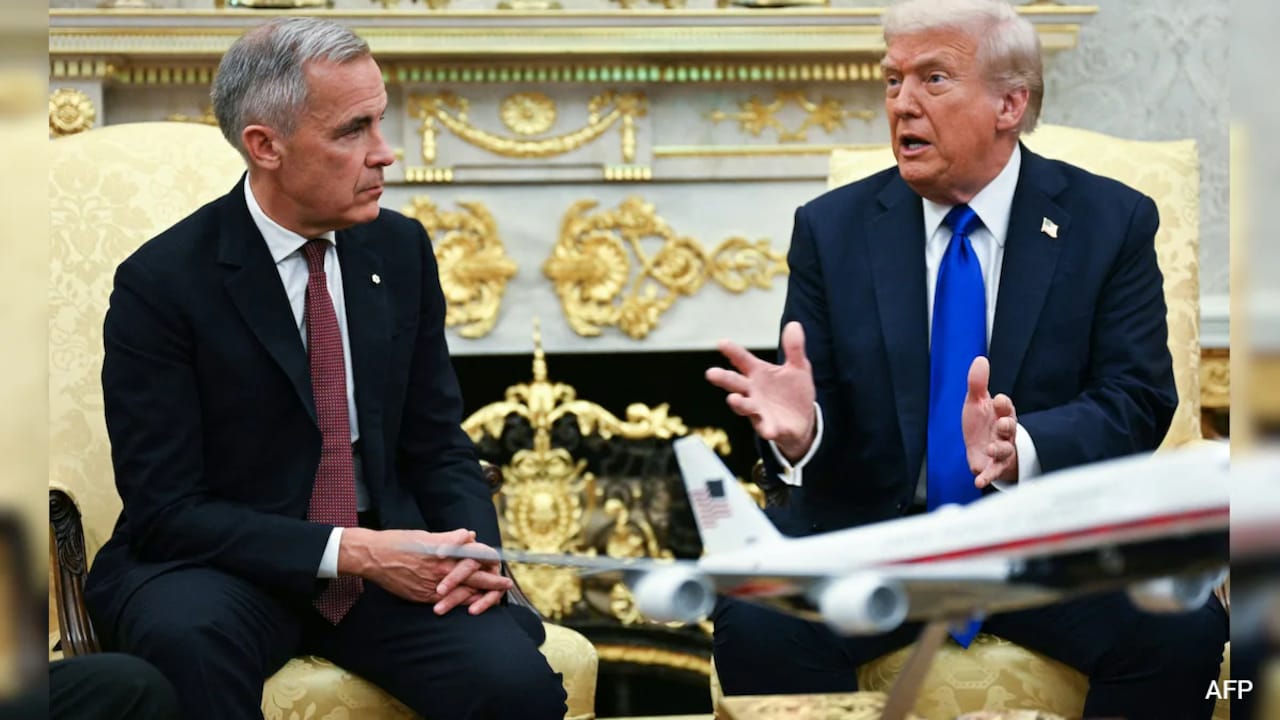
Mark Carney suggests that Donald Trump's threat of a 50% tariff is likely a negotiation tactic and advises against a premature response. The proposed tariffs would impact a diverse range of goods, including dairy, lumber, and even hockey sticks.
Key Takeaways
- Mark Carney advises caution, stating no advance response is needed to Trump's tariff threats.
- The proposed 50% tariff targets specific goods like honey, liquor, cement, and hockey sticks.
- Analysts view the threat as a potential negotiation strategy rather than an immediate policy shift.
Former Central Bank Governor Mark Carney has broken his silence regarding the aggressive trade posturing by former U.S. President Donald Trump. Addressing the threat of a sweeping 50% tariff, Carney emphasized that there is no need to react defensively in advance, suggesting instead that this move is a classic negotiation tactic designed to unsettle counterparts before discussions begin.
Scope of the Proposed Tariffs
The list of goods potentially affected by these tariffs is extensive and peculiarly specific. While heavy industries like cement and wood products are expected targets, the inclusion of consumer goods such as honey, liquor, and dairy products signals a broadside against the export economy. Notably, cultural staples like hockey sticks are also on the list, highlighting the pervasive nature of the threatened trade barriers.
Strategic Patience vs. Economic Panic
Carney's comments reflect a broader sentiment among trade experts who believe that such threats are often opening gambits rather than finalized economic policies. By maintaining a stance of strategic patience, the aim is to avoid escalation while preparing for any eventuality. The market reaction has been muted so far, buoyed by the confidence that these are political maneuverings rather than immediate economic realities.
Why This Matters
BozokMedia analysis shows that knee-jerk reactions to trade threats often cause more volatility than the tariffs themselves. By treating this as a negotiation, businesses can avoid panic-driven decisions that might disrupt supply chains unnecessarily.
"Preemptive capitulation is the worst strategy in trade negotiations; calmness often yields better concessions than panic."
Comparison: Potential Impact
| Sector | Current Status | Under 50% Tariff |
|---|---|---|
| Dairy Products | Regulated Trade | Significant Cost Increase |
| Wood Products | Existing Disputes | Price Hikes for Housing |
| Consumer Goods (Hockey Sticks) | Free Flow | Retail Price Spike |
Frequently Asked Questions
What is a tariff?
A tariff is a tax imposed by a government on imported goods and services to raise revenue or protect domestic industries.
Why are hockey sticks mentioned in the tariff list?
Hockey sticks are a symbolic and economically significant export, often used to highlight the cultural impact of trade disputes.