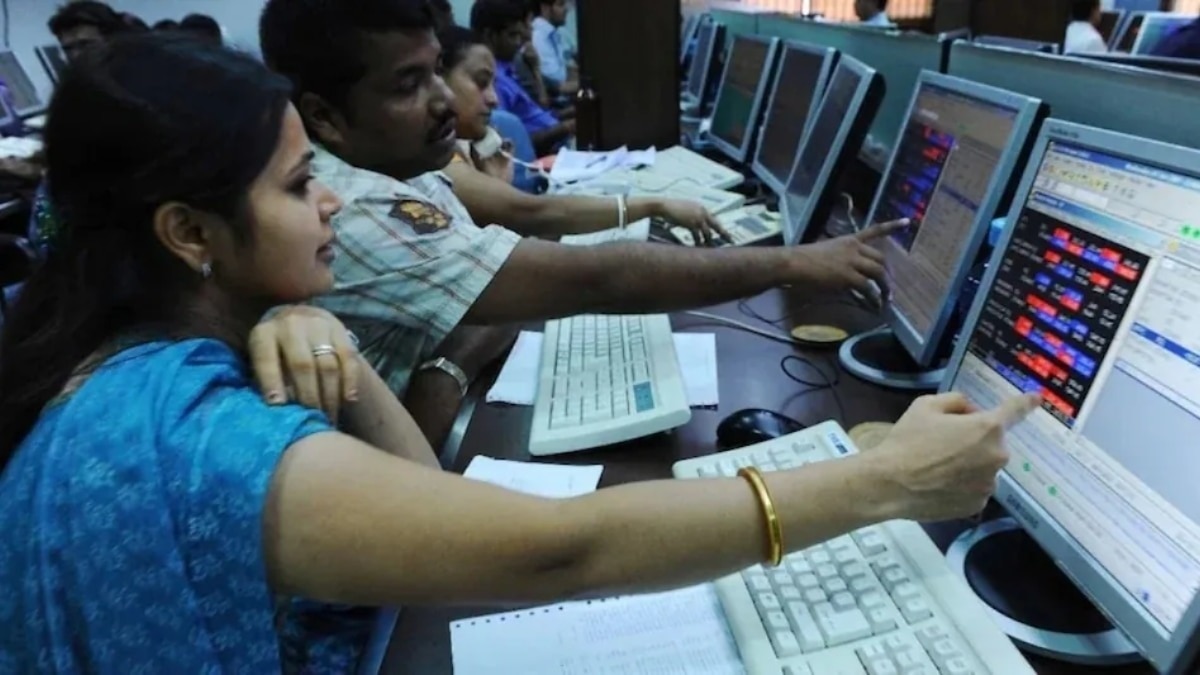
After last week’s sharp market decline, analysts say the Indian stock market could pause on Monday. The optimism hinges on three key signals: easing US‑Iran tensions, a plunge in crude oil prices, and a rally in Asian markets.
Key Takeaways
- US‑Iran tension easing fuels market optimism.
- Sharp drop in crude oil prices.
- Asian markets rally; Gift Nifty spikes.
New Delhi (July 27, 2026) – After a steep decline last week, analysts say the Indian stock market could see a pause on Monday. The optimism rests on three key signals directly linked to US‑Iran developments and oil price movements.
Historical Background
During the previous five trading days, the Sensex fell 331 points and the Nifty slipped 102 points, erasing roughly ₹2.74 lakh crore from the combined market capitalisation of the top‑10 listed companies. Such corrections often coincide with heightened geopolitical tension and falling oil prices.
First Signal: Hope of US‑Iran Peace
The United States has halted fresh air strikes on Iran for two days, and President Donald Trump has signalled a diplomatic pause. This de‑escalation has eased global tensions, nudging crude prices lower and creating a more favourable equity environment.
Second Signal: Crude Oil Plunge
Brent crude fell below $100 per barrel, sliding to under $90, while WTI traded around $82. The sharp decline has unlocked capital flows into equities worldwide.
Third Signal: Overseas Market Surge
Most Asian exchanges, except South Korea’s KOSPI, are trading higher, and India’s Gift Nifty jumped more than 160 points, signaling bullish momentum for the Sensex and Nifty.
Why This Matters
BozokMedia analysis shows that a stabilization in US‑Iran tensions can trigger a ripple effect across global equities, offering Indian investors a potential entry point after a week of volatility.
"As oil prices stabilise, we could see a fresh wave of buying in Indian equities," said financial analyst Ajay Singh.
Frequently Asked Questions
Q1: Will the fall in oil prices have a lasting impact?
A: If prices remain stable, it could be a positive signal for investors, though a temporary dip may only provide short‑term gains.
Q2: Does every US‑Iran tension shift affect markets?
A: Geopolitical events usually introduce volatility in global markets, but the magnitude depends on multiple factors.