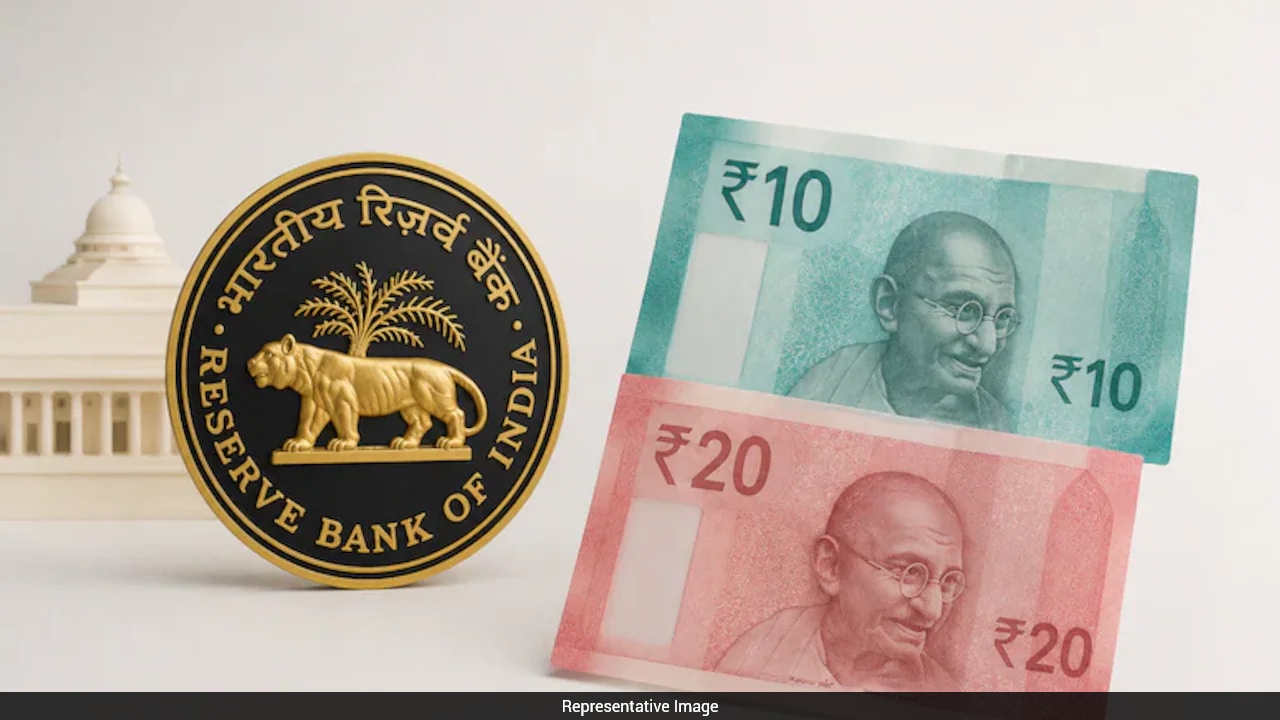
The Reserve Bank of India will trial 100 crore each of Rs 10 and Rs 20 polymer notes, totaling 200 crore notes worth roughly Rs 3,000 crore. These notes promise greater durability and security compared to traditional paper currency.
Key Takeaways
- RBI will issue 100 crore Rs 10 and 100 crore Rs 20 polymer notes.
- Total trial batch amounts to about Rs 3,000 crore.
- Polymer notes last significantly longer than paper notes, reducing replacement costs.
Background of Polymer Currency
India’s first polymer note, the Rs 500, was introduced in 2023 to combat wear and counterfeit risks. Trials showed polymer notes can survive 5‑10 times longer than paper, which typically deteriorates within months of heavy circulation.
Details of the New Rs 10 and Rs 20 Rollout
The RBI announced a production run of 100 crore Rs 10 and 100 crore Rs 20 polymer notes, creating a trial batch of 200 crore notes valued at approximately Rs 3,000 crore. This move marks a significant expansion of polymer currency across low‑denomination denominations.
Why This Matters
BozokMedia analysis shows that widespread adoption of polymer notes could cut long‑term cash‑handling costs by up to 30%, as the extended lifespan reduces the frequency of re‑printing. Moreover, enhanced security features bolster public confidence in cash transactions.
"Polymer notes can last up to five times longer than paper notes, saving the treasury millions in replacement costs." – Dr. Anil Kumar, Currency Expert
Frequently Asked Questions
Q1: Will the new polymer notes be accepted at all banks and ATMs?
A: Yes, the RBI has instructed all banks to accept and update their ATMs for the new notes.
Q2: What happens to existing paper notes?
A: Paper notes will remain legal tender for a transition period but will be gradually withdrawn as polymer notes become mainstream.