A new report from the National Retail Federation (NRF) reveals that while physical shoplifting is stabilizing, retailers are facing a massive rise in online fraud and phone scams.
Key Takeaways
- Physical shoplifting incidents are showing signs of stabilization.
- Digital fraud, phone scams, and gift card theft are rising threats.
- Retailers are investing heavily in security tech and employee training.
- Supply chain vulnerabilities like cargo theft remain a major concern.
According to a report released by the National Retail Federation (NRF) on Thursday, the landscape of retail crime is undergoing a significant transformation. While traditional shoplifting is seeing a slowdown, loss prevention specialists at over 60 major retailers are sounding the alarm over escalating digital threats.
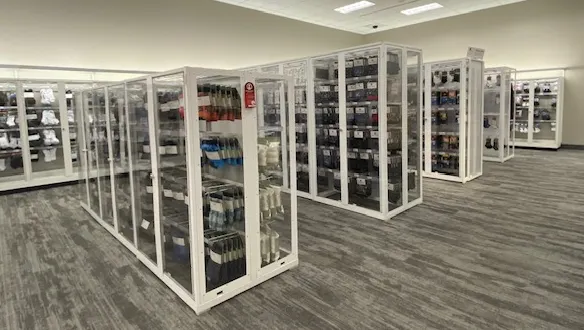
The NRF attributes the stabilization of shoplifting to increased investments in advanced security technologies, enhanced employee training, and physical measures designed to harden stores. Some major retailers have even implemented stricter protocols, such as locking up high-value merchandise to deter theft.
Why This Matters
BozokMedia analysis shows that retail crime is no longer just a physical security issue; it has evolved into a sophisticated digital battlefield. As criminals pivot from store aisles to e-commerce platforms and telecommunications, the definition of 'shrink' is expanding to include cyber-enabled theft.
The shift from physical theft to digital fraud represents a fundamental evolution in how organized crime targets the retail sector.
The report highlights that phone scams targeting store associates and gift card fraud are now top concerns. Furthermore, vulnerabilities in the supply chain, specifically cargo theft, continue to pose a significant threat to the seamless movement of goods.
Historical Background
In recent years, the NRF has been a vocal advocate for anti-organized retail crime legislation. While the group previously faced scrutiny over the accuracy of its 'shrink' statistics, the current data reflects a more nuanced understanding of loss, acknowledging that shrinkage is often caused by multilayered issues rather than just simple theft.
Frequently Asked Questions
1. Why is shoplifting stabilizing in many stores?
Retailers are implementing better deterrents, including improved surveillance technology and better-trained staff to de-escalate incidents.
2. What are the new primary threats to retailers?
The primary emerging threats include phone scams, gift card fraud, e-commerce/digital fraud, and supply chain cargo theft.