In a significant and rare move, the United States and Japan have confirmed a joint intervention to halt the yen's slide to a fresh 40-year low. Both nations have signaled their readiness for future coordinated actions, underscoring their commitment to preventing a global economic fallout from the yen's sustained weakness.
Key Takeaways
- The US and Japan conducted their first joint currency intervention since 2011.
- The intervention aimed to halt the Japanese Yen's slide to a 40-year low.
- Both nations affirmed their willingness for future coordinated actions to stabilize the currency.
Japan and the US have confirmed that they jointly intervened last week to halt a slide in the yen to a fresh 40-year low. This joint intervention marks the first such coordinated action since 2011, when both countries took action to weaken the yen after the devastating earthquake and tsunami that hit eastern Japan.
Both Japan's finance ministry and US Treasury Secretary Scott Bessent have stated they will not hesitate to conduct joint interventions in the future. This highlights both countries' efforts to prevent a sell-off in the yen and Japanese government bonds from having an impact on the global economy, including helping to push up borrowing costs for Washington.
Why This Matters
BozokMedia analysis shows that a persistently weak yen could destabilize global financial markets, potentially increasing borrowing costs for the US and impacting international trade balances. The coordinated effort signals a strong commitment to global economic stability, crucial for maintaining confidence in major currencies.
The yen is historically weak mainly due to Japan having much lower central bank interest rates than other major economies like the US. That makes the Japanese currency less attractive to international investors. The Bank of Japan last raised interest rates in June, increasing its main rate to 1%—the highest level since September 1995. In comparison, the US Federal Reserve's benchmark rate is in a range of 3.50% to 3.75%.
Japan also faces a decades-long slide in its working-age population, low productivity, and a heavy reliance on energy imports that are priced in US dollars. On Monday, Japan's finance ministry stated that Friday's intervention with the US Treasury Department "countered excessive volatility and disorderly movements in the Japanese yen in recent months."
"This joint intervention is a powerful signal that major economies are prepared to act decisively to prevent excessive currency volatility from undermining global financial stability," said Dr. Anya Sharma, a leading economist.
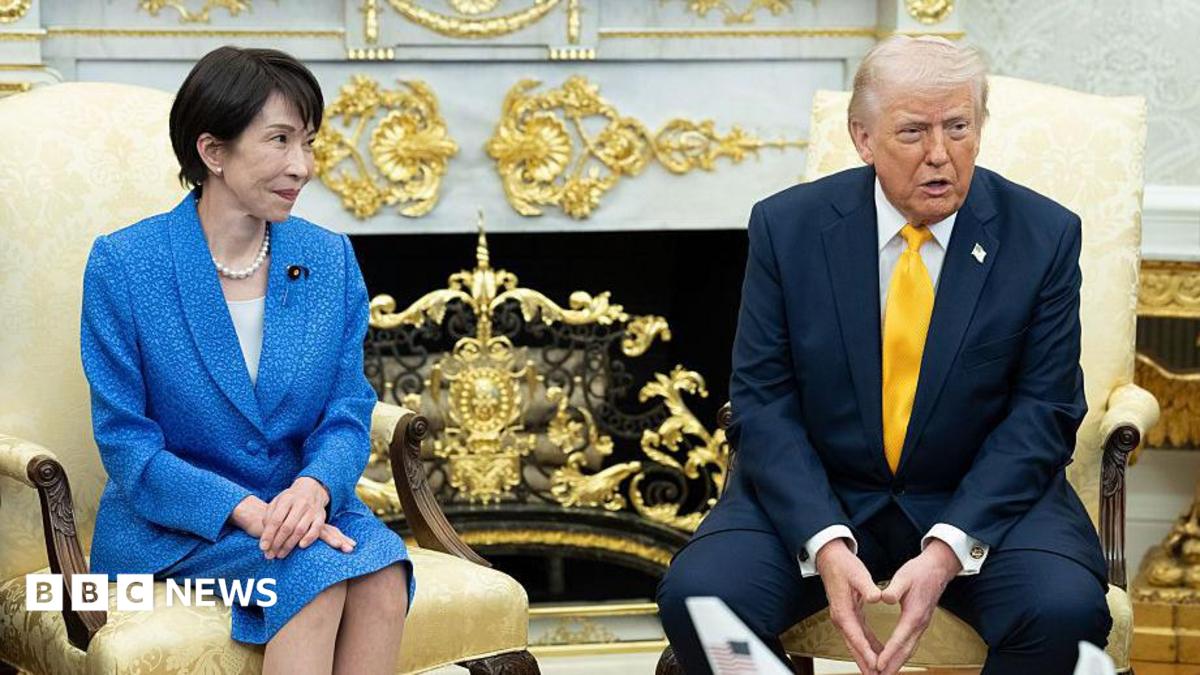
US President Donald Trump told reporters on Sunday, "They have a weakening yen, and they wanted a little bit of help. And we're always there for Japan." Following Trump's comments, the dollar fell by 0.2% to 157.07 yen, well off the 40-year high of 164 last month, but rose back to 157.70 yen after the Japanese finance ministry's statement.
Bank of Japan data indicated that Tokyo may have sold almost $59 billion of US dollars to buy yen when it intervened in New York markets on Thursday, prior to Friday's confirmed joint intervention with Washington. The US has not confirmed the size of its intervention, but a Reuters photograph of a notepad in front of Bessent during a cabinet meeting on Friday read: "To Do: Buy Japanese Yen $5-10 bil."
Historical Background
The last joint intervention in 2011 saw the US and G7 partners weakening the yen to aid Japan's export-driven economy recovery after the devastating earthquake and tsunami. This contrasts sharply with the current situation, where the goal is to strengthen the yen, reflecting a shift in global economic priorities.
| Central Bank | Benchmark Interest Rate |
|---|---|
| Bank of Japan | 1.00% (highest since Sept 1995) |
| US Federal Reserve | 3.50% - 3.75% |
Frequently Asked Questions
- What causes the Japanese Yen to weaken significantly?
- How do joint currency interventions impact the global economy?