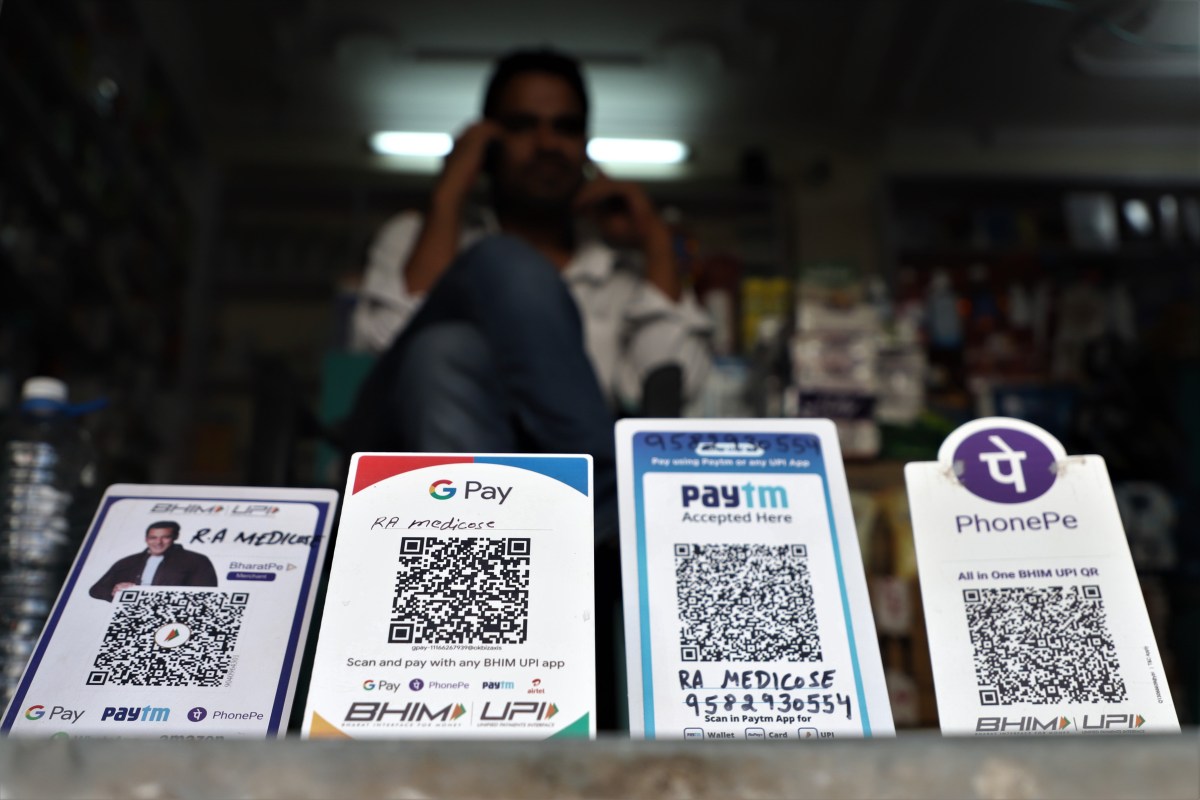
India is laying the legal groundwork to overhaul its zero-MDR regime, potentially introducing transaction fees for merchants to ensure the long-term sustainability of the UPI ecosystem.
Key Takeaways
- India is drafting legislation to introduce a revenue model for the UPI network.
- The current zero-Merchant Discount Rate (MDR) regime could be overhauled.
- Fees may target high-value transactions rather than small merchants.
- This shift aims to fund infrastructure, IT, and cybersecurity upgrades.
India is taking decisive steps to reshape the economic foundation of its Unified Payments Interface (UPI). Through new legislation, the government is paving the way for a potential transition from a completely free merchant model to one where businesses may pay transaction charges on certain UPI payments.
Since January 2020, India has operated under a zero-Merchant Discount Rate (MDR) regime to accelerate the adoption of digital payments. While this successfully made UPI ubiquitous, the sheer scale of the network has created a funding challenge. In July alone, UPI processed a staggering 23.66 billion transactions worth ₹29.88 trillion ($313.4 billion), according to the National Payments Corporation of India (NPCI).
Why This Matters
BozokMedia analysis shows that the current reliance on state incentives and subsidies is becoming increasingly difficult to sustain as transaction volumes explode. For the ecosystem to scale globally and maintain world-class cybersecurity and IT infrastructure, a sustainable revenue stream is essential for banks and fintech giants like PhonePe and Google Pay.
To achieve 90% penetration and take UPI global, fintechs and banks must fund expansion through continued investments in innovation and cybersecurity.
Market analysts at Jefferies suggest that introducing fees on higher-value transactions could generate between ₹50 billion and ₹100 billion in annual revenue by fiscal 2028. To protect the micro-economy, officials are reportedly considering limiting these charges to larger merchants, ensuring that small vendors and everyday consumers remain unaffected.
Comparison: Current vs. Proposed UPI Model
| Feature | Current Model (Zero MDR) | Proposed Model (Potential) |
|---|---|---|
| Merchant Fees | None | Applicable on high-value transactions |
| Primary Funding | State Incentives/Subsidies | Merchant transaction fees |
| Consumer Impact | Completely Free | P2P/Consumer payments likely to remain free |
Frequently Asked Questions
1. Will regular customers have to pay for UPI transfers?
No, the current discussions focus on charging merchants. Peer-to-peer (P2P) transfers for consumers are expected to remain free.
2. Which companies will benefit from this change?
Banks and major payment service providers like PhonePe and Google Pay are expected to benefit from new revenue streams.