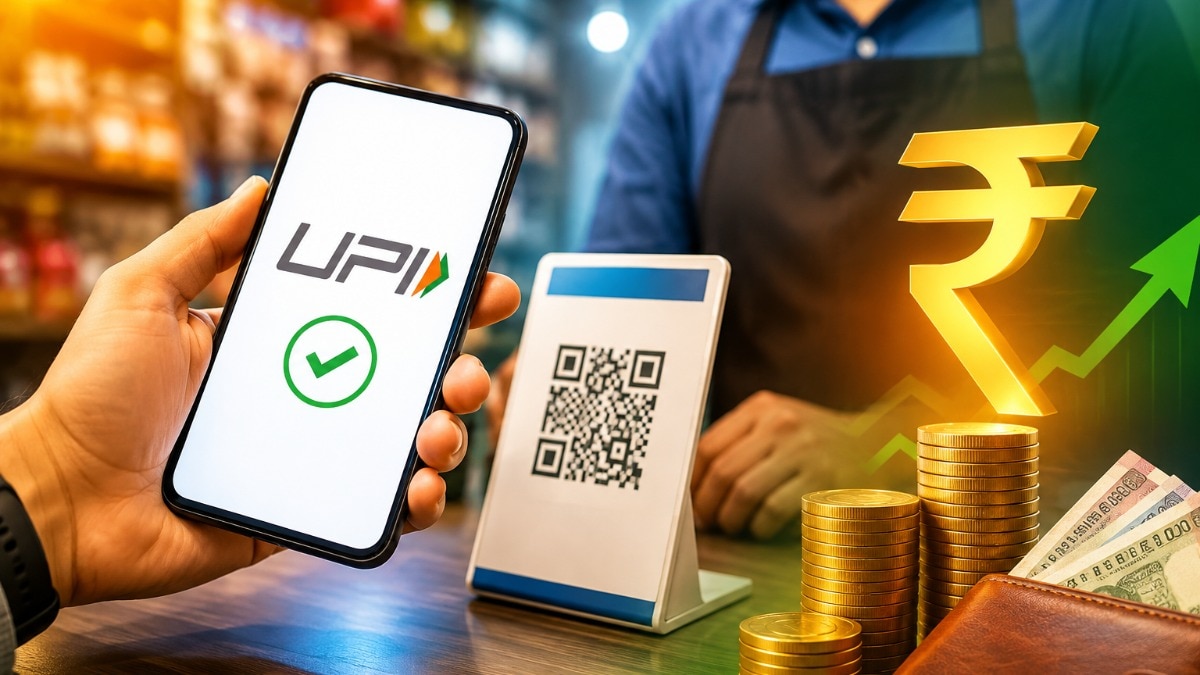
The Indian government has proposed amendments to the Payment and Settlement Systems Act, potentially introducing Merchant Discount Rates (MDR) on certain high-value UPI transactions. While merchants might face fees, consumers are expected to remain unaffected.
Key Takeaways
- Proposed amendments to the Payment and Settlement Systems Act allow for future MDR implementation.
- High-value UPI transactions exceeding ₹2,000 may attract fees.
- Targeted impact: Merchants with annual turnovers above ₹1.5 crore.
- Consumer transactions are expected to remain free of charge.
India's seamless and free UPI ecosystem is facing its most significant policy shift in years. The government has introduced amendments to the Payment and Settlement Systems Act in Parliament, creating a legal pathway to introduce a Merchant Discount Rate (MDR) on select transactions.
While no specific fee has been finalized, discussions are underway regarding a potential charge of 0.3% to 0.5% on UPI transactions exceeding ₹2,000. Crucially, the proposal aims to protect the grassroots economy by targeting large-scale merchants—those with annual turnovers surpassing ₹1.5 crore—rather than small neighborhood retailers.
Why This Matters
BozokMedia analysis shows that while the zero-fee model has driven massive adoption, it has created a sustainability challenge for payment service providers. Without transaction revenue, companies like PhonePe and Google Pay face limitations in investing in cutting-edge infrastructure and security. Implementing a targeted MDR could unlock massive revenue streams, potentially worth ₹5,000 to ₹10,000 crore annually for the industry.
Transitioning to a fee-based model for high-value merchant transactions is a strategic move to ensure the long-term scalability of India's digital backbone.
According to market analysts at Jefferies, although transactions above ₹2,000 account for only 4% of the total volume, they represent a staggering 67% of the total transaction value. This makes them the primary target for any proposed fee structure.
Historical Background
Since its inception, UPI has been the cornerstone of India's digital revolution, enabling billions of real-time transactions. The government's primary mandate has always been 'digital inclusion,' which is why UPI has remained free for consumers and small merchants until now. This new proposal marks a shift toward a more mature, revenue-generating digital economy.
Frequently Asked Questions
1. Will I have to pay extra when I scan a QR code for shopping?
The current proposal suggests that the MDR will be borne by the merchants, particularly large businesses, and not the end consumers.
2. Is this law change effective immediately?
No. The amendment is currently a legal enabling provision. No final decision on rates or implementation dates has been announced.