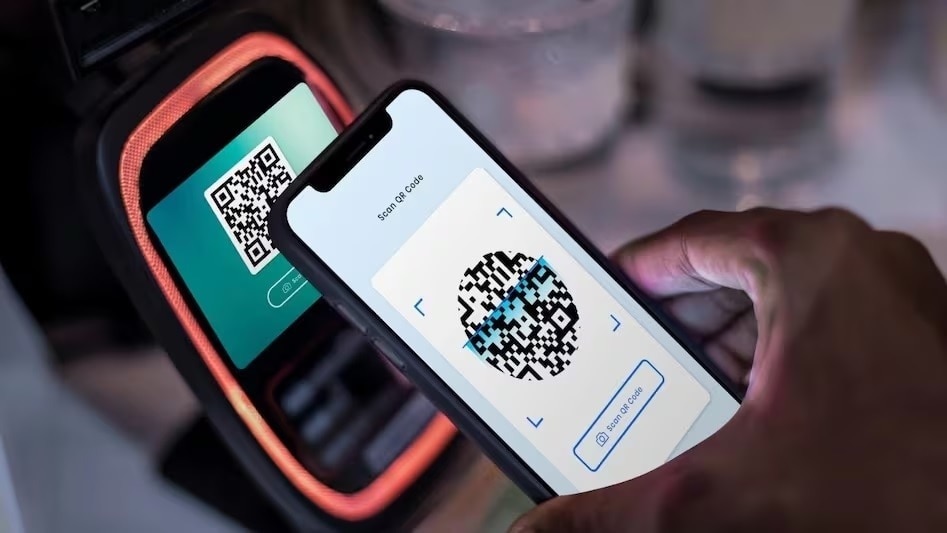
The introduction of the Payment and Settlement Systems (Amendment) Bill, 2027, has sparked intense debate. A massive survey suggests that over half of users might abandon UPI for large transactions if Merchant Discount Rates (MDR) are imposed on businesses.
Key Takeaways
- The Ministry of Finance has introduced the Payment and Settlement Systems (Amendment) Bill, 2027.
- MDR may be applied to transactions exceeding ₹2,000 on merchants.
- A survey shows 53% of users might stop using UPI for transactions over ₹3,000.
- The proposed charges apply to merchants, not directly to end consumers.
The landscape of digital payments in India is standing at a critical crossroads. With the Ministry of Finance introducing the Payment and Settlement Systems (Amendment) Bill, 2027 in Parliament, discussions regarding the implementation of Merchant Discount Rate (MDR) have intensified. This move could fundamentally alter how digital transactions are processed across the country.
Will Customers Be Charged?
A crucial distinction must be made: the proposed MDR charges are intended for merchants, ranging from small vendors to large enterprises, rather than individual customers. This means that if you are paying for groceries, a taxi ride, or transferring money to a friend, you will not be directly billed for this service. The financial burden is designed to rest on the business receiving the payment.
Why This Matters
BozokMedia analysis shows that while consumers may remain unaffected on the surface, the psychological and operational impact on merchants could be profound. If businesses perceive digital payments as a cost center, they may discourage their use, potentially slowing down India's momentum toward a cashless economy.
RBI Governor Sanjay Malhotra stated that it is premature to make a definitive decision on MDR, as the matter is currently under deliberation.
Revealing Survey Insights
A massive survey conducted by LocalCircles, involving over 45,000 participants across 322 districts in India, has yielded startling results. The data suggests that if MDR is imposed on merchants, more than 53% of users would stop using UPI for transactions exceeding ₹3,000.
| Alternative Method | Percentage of Users Switching |
|---|---|
| Credit Cards | 27% |
| Debit Cards | 14% |
| Cash or Bank Transfer | 12% |
Furthermore, the survey highlighted that 18% of respondents would only continue using UPI if the merchant bears the cost, while only 12% are willing to pay the fee themselves.
Historical Background
Currently, banking regulations and RBI guidelines prevent banks and payment service providers from charging MDR on notified digital payment modes. The proposed amendment aims to grant the Central Government the authority to specify which payment modes will be exempt from such charges under Section 10A of the Act.
Frequently Asked Questions
1. Will I have to pay extra to send money via UPI?
No, the proposed charges are targeted at merchants, not the individual users making the transfers.
2. What is MDR?
Merchant Discount Rate (MDR) is the fee that merchants pay to banks or payment providers for the convenience of accepting digital payments.