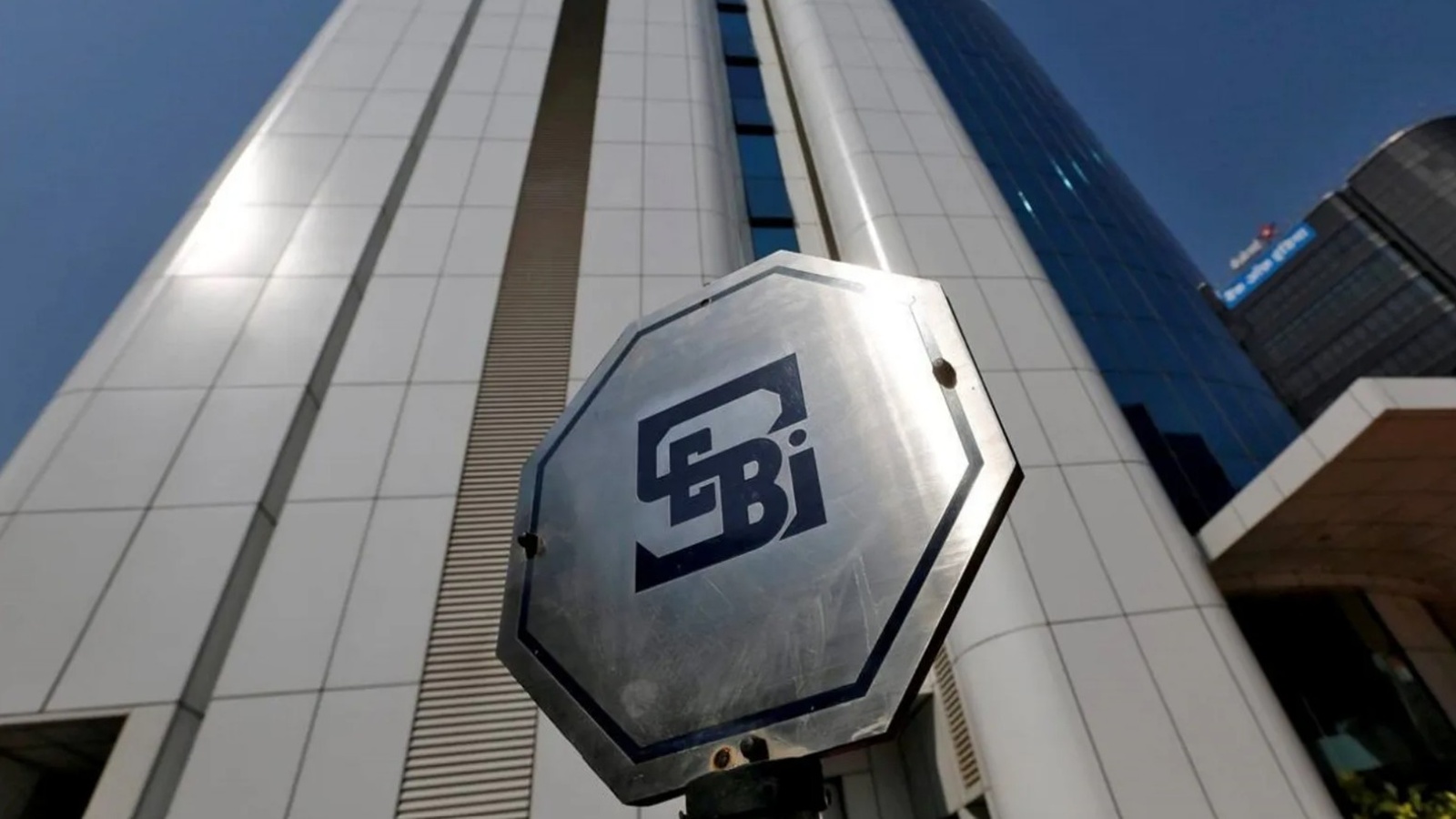
India’s securities regulator SEBI announced a comprehensive overhaul of the Securities Lending and Borrowing (SLB) framework, the launch of the Setu portal for intermediaries, and a pilot for blockchain‑based bond tokenisation. The moves aim to boost price discovery, liquidity and streamline compliance across cash and derivatives markets.
Key Takeaways
- SEBI plans a major revamp of the SLB scheme.
- Setu portal will digitise registration and compliance for intermediaries.
- A pilot project will test blockchain tokenisation of corporate bonds.
In its annual report, the Securities and Exchange Board of India (SEBI) outlined that the existing Securities Lending and Borrowing (SLB) scheme will be modernised to improve price discovery and create a seamless link between cash and derivatives segments. The upgrade is expected to enhance short‑selling, market liquidity, and efficient price formation.
The upcoming Setu portal will serve as a single online platform where SEBI‑regulated intermediaries can register, file applications, pay fees and complete regulatory tasks digitally, thereby increasing transparency and speed.
SEBI also announced a pilot for corporate bond tokenisation using distributed ledger technology. Tokenisation will represent ownership or rights in a bond as digital tokens, enabling electronic issuance, trading and management.
Why This Matters
BozokMedia analysis shows that SEBI’s tech‑driven reforms could set a global benchmark for emerging market regulators, attracting foreign investors seeking transparent and efficient capital markets.
“Tokenisation could unlock unprecedented liquidity for India’s bond market,” says finance expert Dr. Ananya Patel.
Frequently Asked Questions
When will the revamped SLB scheme take effect? SEBI has indicated that the new rules will become operational at the start of the 2027 financial year.
What is the scope of the bond tokenisation pilot? The pilot will cover corporate bonds from top Indian issuers across five sectors, totaling approximately ₹10,000 crore in value.