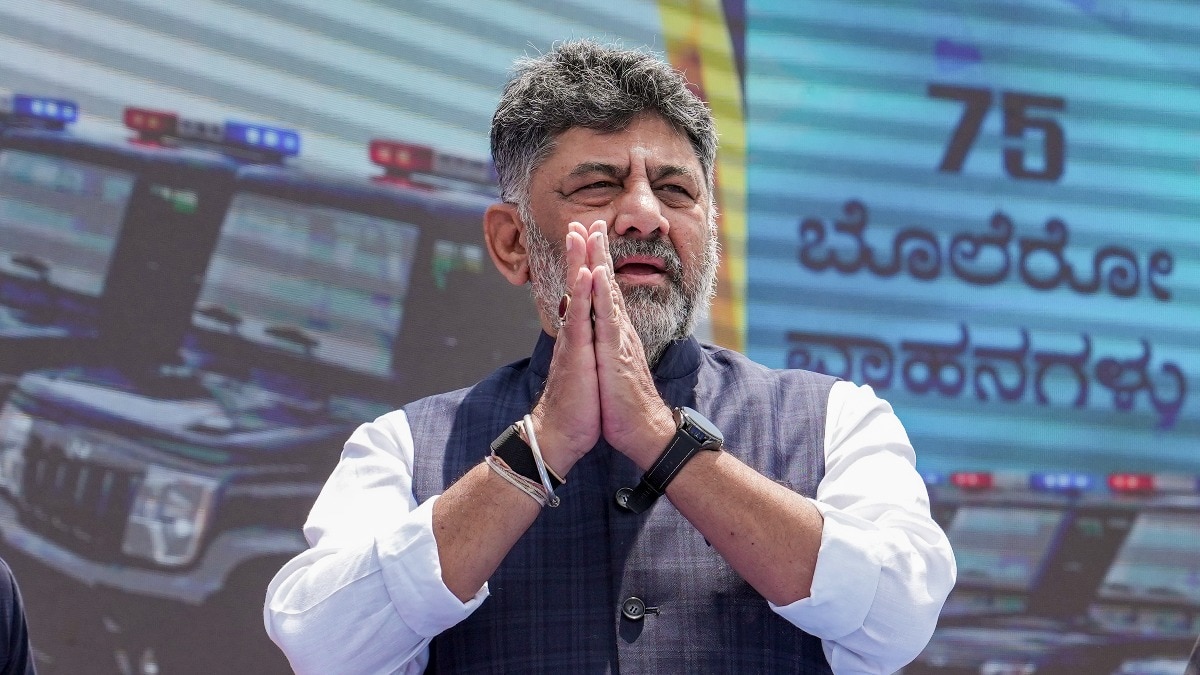
Karnataka Deputy CM DK Shivakumar has called on corporations to bypass government intermediaries and directly invest CSR funds into rural school infrastructure. He aims to curb urban migration by improving rural education quality.
Key Takeaways
- DK Shivakumar urges companies to adopt government schools directly using CSR funds.
- The state proposes developing 2,000 government schools with corporate support.
- Goal: Reduce migration to cities by providing quality rural education and technology.
- A dedicated IAS officer will be appointed to monitor CSR fund utilization.
Addressing the G BITCIA Vision 2030 - CSR Summit 2026 in Bengaluru, Karnataka Deputy Chief Minister DK Shivakumar made a powerful call to action for the industrial sector. He emphasized that Corporate Social Responsibility (CSR) should be viewed not merely as a financial obligation to the state, but as a strategic investment in the future of India's children.
Shivakumar proposed a decentralized model where companies directly fund the development of government schools. Instead of routing funds through government agencies, he suggested that industries could hire contractors to build classrooms, set up computer laboratories, and provide essential equipment like vehicles and technology. In return, the Government of Karnataka will provide the necessary land and administrative support. He lauded the impactful work done by giants like Infosys and Wipro as benchmarks for others to follow.
Why This Matters
BozokMedia analysis shows that bridging the digital and educational divide between urban and rural India is critical for long-term economic stability. By empowering rural students with technology at a primary level, the state can mitigate the massive socio-economic pressure caused by migration to metropolitan hubs like Bengaluru.
"CSR should be viewed as an investment in society and the future of children rather than simply as financial assistance to the government."
The Deputy CM also addressed serious concerns regarding the 25% reservation for Economically Weaker Sections (EWS) in private schools, flagging irregularities and the involvement of middlemen. Furthermore, he proposed a unique curriculum change, asking the University of Agricultural Sciences, Bengaluru to introduce programs where urban students spend time in villages to understand the realities of farming and rural life.
Historical Background
The framework for CSR in India was significantly strengthened during the UPA government, with former President Pranab Mukherjee playing a pivotal role. While Karnataka has the potential to attract nearly ₹10,000 crore annually in CSR investments, current spending levels remain significantly lower, highlighting a massive opportunity for social impact.
Frequently Asked Questions
1. How can companies participate in this initiative?
Companies can adopt government schools by directly providing infrastructure, computers, or laboratories while retaining their brand identity.
2. How will the government ensure the funds are used correctly?
The government plans to appoint a dedicated IAS officer specifically to monitor CSR activities and track fund utilization.