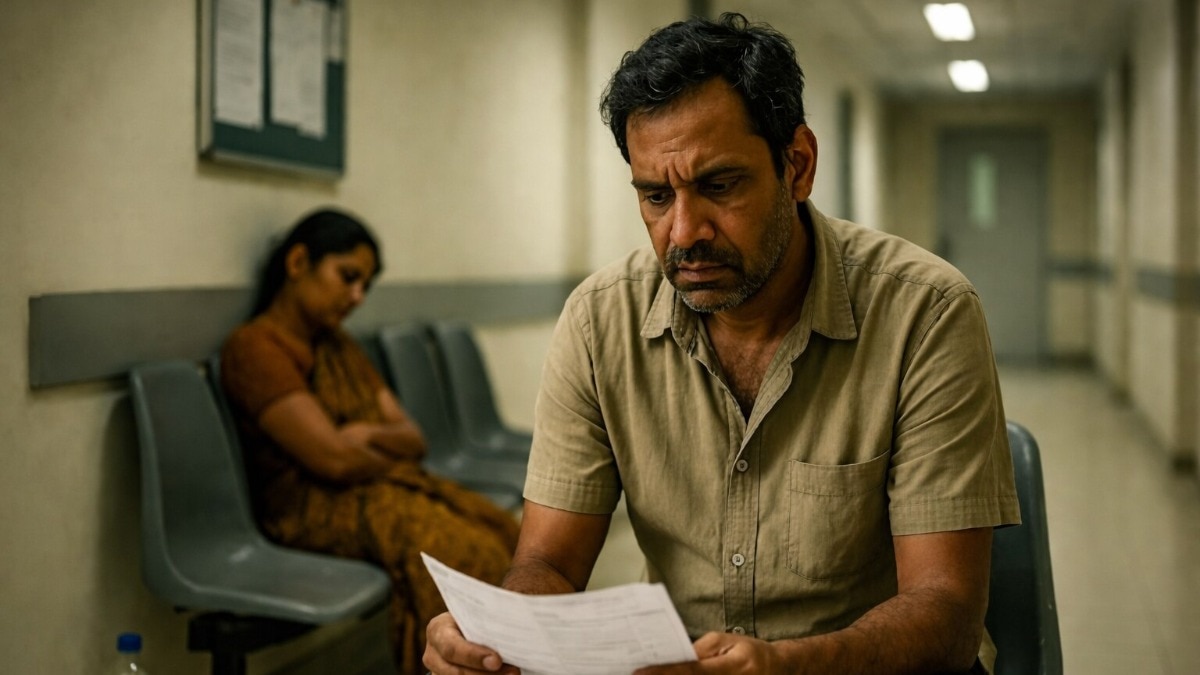
A revealing study by Tata AIG General Insurance shows that 94% of corporate professionals are terrified of unexpected medical expenses, highlighting a massive gap in health insurance awareness and adequacy.
Key Takeaways
- 94% of corporate employees feel financial pressure due to unexpected medical bills.
- 75% believe that employer-provided Group Medical Cover (GMC) is insufficient for emergencies.
- Only 41% of employees fully understand the features and benefits of their corporate health plans.
- 88% prioritize uninterrupted health coverage during job transitions.
For the modern corporate professional, the fear of a sudden job loss or a missed EMI is significant, but a new threat is taking center stage: the skyrocketing cost of healthcare. According to Tata AIG General Insurance Company’s 'The Corporate Health Protection Pulse 2026', medical emergencies have become a primary source of financial anxiety in corporate India.
The study reveals that unexpected hospitalization costs are the top concern, outweighing other financial stressors. For those relying on a fixed monthly salary, a single major health crisis can deplete years of savings. This stress is compounded by lifestyle-related diseases and the responsibility of covering extended family members.
Why This Matters
BozokMedia analysis shows that there is a dangerous reliance on corporate benefits. While Group Medical Cover (GMC) provides a basic safety net, it often lacks the depth required for critical illnesses or long-term care. The data suggests a systemic failure in financial literacy regarding health protection, where employees mistake 'having a policy' for 'being fully covered'.
"Health insurance is not just a corporate benefit; it is a critical pillar of personal financial planning that must exist independently of employment."
Job transitions further exacerbate this vulnerability. While 88% of respondents view continuous health cover as vital when switching companies, only 40% are aware of the mechanisms to ensure this continuity. This leaves a significant portion of the workforce uninsured during the precarious gap between two jobs.
The report also highlights a 'will buy later' mentality among younger employees aged 28 to 34. Despite the risks, 45% of employees have no personal health insurance, relying solely on their employer. This lack of foresight creates a precarious situation where a single health event could lead to total financial instability.
| Feature | Group Medical Cover (GMC) | Personal Health Insurance |
|---|---|---|
| Control | Employer-managed | Individual-managed |
| Portability | Ends with employment | Lifelong continuity |
| Customization | Standardized for all | Tailored to specific needs |
Frequently Asked Questions
Q1: Is employer-provided insurance enough for a medical emergency?
A: For 75% of employees, the answer is no. GMCs often have lower sum insured limits and more exclusions than personal plans.
Q2: How can employees ensure coverage during a job change?
A: By investing in a separate personal health insurance policy or exploring portability options before resigning.