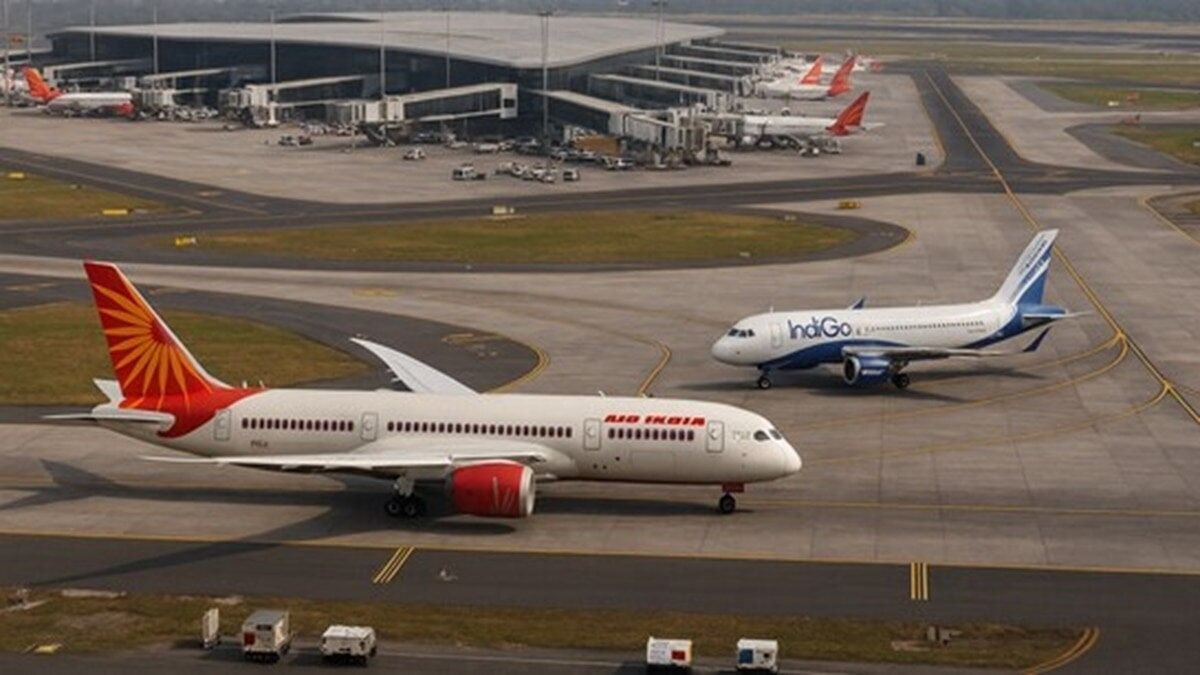
IndiGo and Air India have each appointed a new chief executive as the sector grapples with capacity, cost and regulatory pressures. The two leaders bring distinct mandates that will shape the future of India's aviation landscape.
Key Takeaways
- IndiGo and Air India both welcome new CEOs
- The aviation sector faces mounting capacity and cost pressures
- Each CEO has a different strategic focus
Willie Walsh has taken over as CEO of IndiGo, while Tewolde Gebremariam assumes the dual role of CEO and Managing Director at Air India. Both veterans step in at a pivotal moment, as Indian airlines handle close to 90% of domestic traffic amid industry‑wide challenges.
The sector is strained by the need for more airport slots, rising passenger demand, volatile crude oil prices and lingering supply‑chain disruptions. These macro‑issues force the carriers to balance expansion with safety, reliability and profitability.
Air India, still under intense regulatory scrutiny after the tragic Boeing 787 crash last year, must first solidify its operational fundamentals. Gebremariam, former head of Ethiopian Airlines, is tasked with tightening cost controls, restoring safety confidence and steering the airline toward sustainable profit while expanding its international network.
IndiGo, which commands roughly 60% of the domestic market, faces a different test: preserving its low‑cost advantage while scaling globally. Walsh’s mandate emphasizes accelerating international growth, sharpening commercial strategy and enhancing the passenger experience without sacrificing the cost discipline that made IndiGo a benchmark.
Historical Background: IndiGo was founded in 2006 and quickly rose to become India’s largest low‑cost carrier. Air India traces its roots to 1932 as Tata Airlines, underwent major restructuring after Tata Group’s 2022 takeover, and remains a flagship carrier with a complex legacy.
| Airline | New CEO | Market Share |
|---|---|---|
| IndiGo | Willie Walsh | ≈60% |
| Air India | Tewolde Gebremariam | ≈30% |
Why This Matters
BozokMedia analysis shows that these leadership changes will directly impact investor confidence, ticket pricing, and India’s ability to compete on global air routes. The strategic choices of Walsh and Gebremariam will set the tone for the nation’s aviation recovery post‑pandemic.
"Without decisive leadership, India's aviation sector risks losing its momentum," says an industry analyst.
Frequently Asked Questions
Question 1: How long will it take for the new CEOs to show measurable results?
Answer: Typically, significant operational improvements become visible within 12‑18 months.
Question 2: Will these leadership changes affect airfare prices?
Answer: Cost‑control measures and heightened competition suggest price stability or a modest decline.

