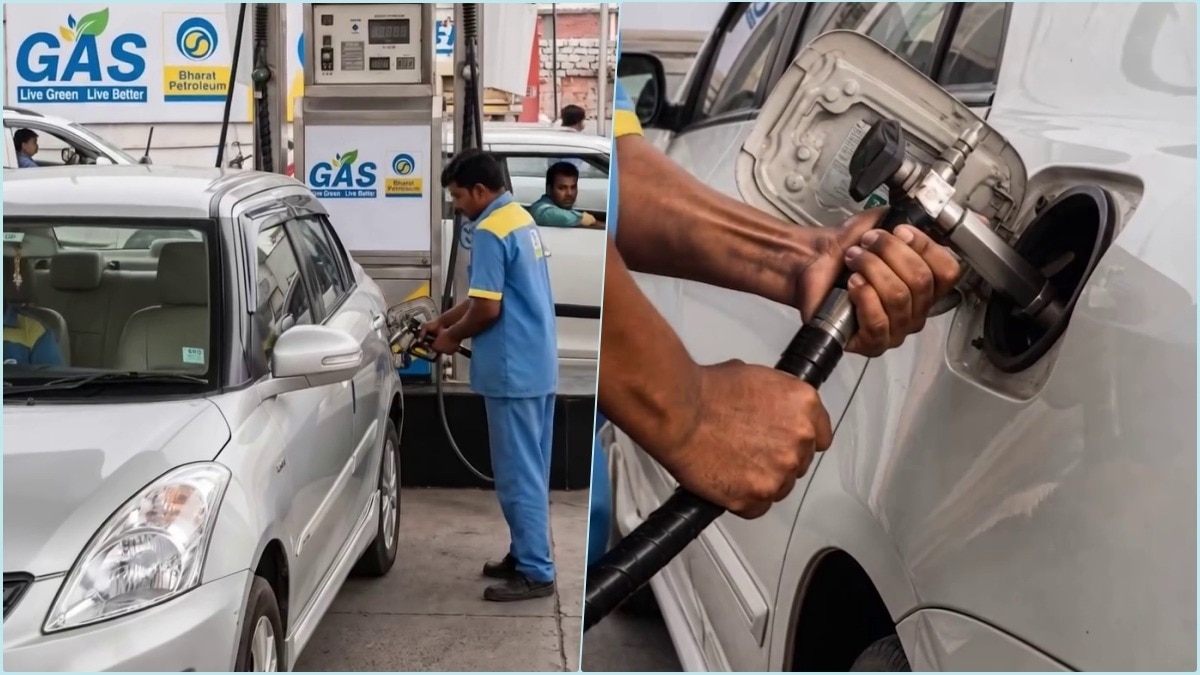
Bharat Petroleum (BPCL) has released an official video hinting at the integration of Compressed Bio-Gas (CBG) into the existing CNG network. This move aligns with the government's massive GOBARdhan scheme to boost renewable energy.
Key Takeaways
- The Indian government has allocated ₹23,731 crore under the GOBARdhan scheme.
- CBG blending in CNG will be phased, starting at 3% in FY 2026-27.
- CBG is produced from organic waste, manure, and crop residue.
- No vehicle modifications are required for consumers to use this blended fuel.
A significant shift in India's fuel landscape is underway. Bharat Petroleum Corporation Limited (BPCL) has recently shared an official video demonstrating how Compressed Bio-Gas (CBG) is being blended into Compressed Natural Gas (CNG). This initiative is a direct implementation of the central government's 'GOBARdhan' (Galvanizing Organic Bio-Agro Resources Dhan) scheme.
The Roadmap for Blending
To promote sustainable energy, the government has sanctioned a massive budget of ₹23,731 crore for the GOBARdhan scheme, which is set to run until 2036. The blending process will follow a structured timeline: a 3% target for FY 2026-27, increasing to 4% in FY 2027-28, and reaching 5% by FY 2028-29. This incremental approach ensures a smooth transition for the energy infrastructure.
Why This Matters
BozokMedia analysis shows that this transition is crucial for reducing India's reliance on imported fossil fuels. Unlike traditional CNG, which is extracted from underground reserves, CBG is derived from organic waste, agricultural residue, and livestock manure. This creates a circular economy by solving waste management issues while providing clean energy.
The integration of CBG into the CNG stream represents a strategic pivot toward a decentralized and sustainable energy model for India.
Addressing consumer concerns regarding vehicle performance, experts note that since both CNG and CBG are primarily composed of methane, the impact on engine efficiency is minimal. According to reports from Indian Oil, the calorific value of CBG is approximately 52,000 kJ/kg, making it a highly efficient automotive fuel comparable to standard CNG.
Frequently Asked Questions
1. Will I need to modify my car to use CBG-blended CNG?
No, according to BPCL, the blended gas can be used in existing CNG vehicles without any technical changes.
2. Will the mileage of my vehicle decrease?
Since the chemical composition remains largely similar, no significant drop in mileage or performance is expected under normal conditions.