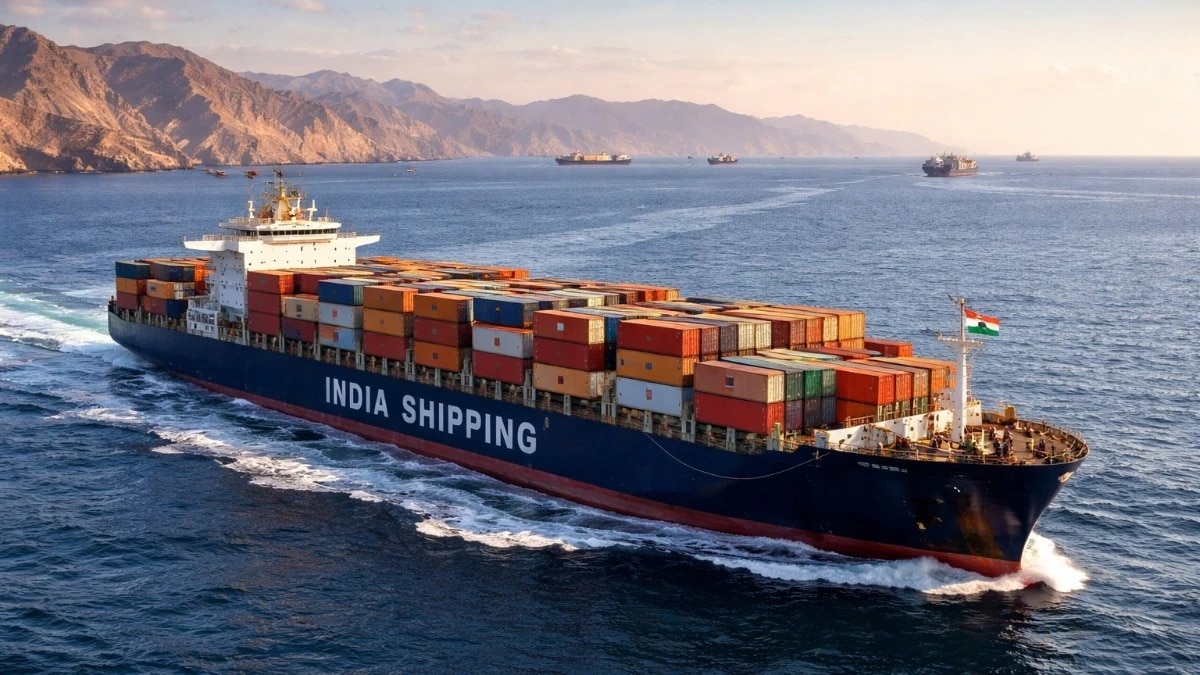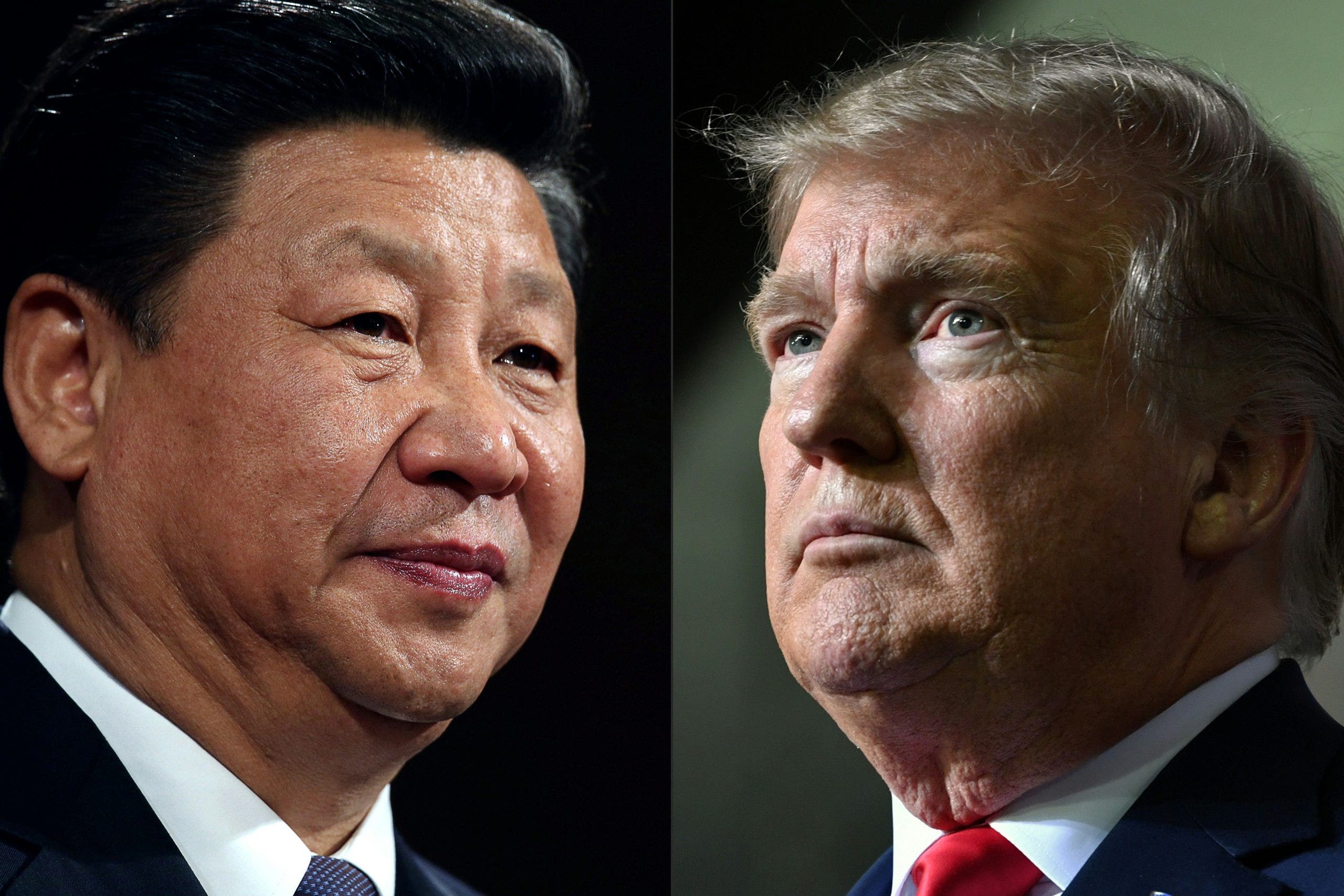
A bombshell White House report has uncovered a massive 'transshipment scam' that is draining up to $26 billion annually from the US Treasury. The report identifies China and several other nations as key players in routing goods through third countries to evade US tariffs.
Key Takeaways
- The White House released a 25-page report titled "The Great Transshipment Scam."
- The scam is estimated to cost the US Treasury between $19 billion and $26 billion annually.
- China, Mexico, Panama, and Colombia are among the high-risk countries identified.
- US Customs (CBP) is now deploying Artificial Intelligence to detect these fraudulent origins.
The White House Office of Trade and Manufacturing Policy has released a scathing report exposing a sophisticated global network designed to evade United States tariffs. This practice, known as transshipment, involves routing goods through intermediary countries to misrepresent their true country of origin, thereby qualifying for lower duty rates.
According to the report, China stands as the most prominent practitioner of this scheme. Following the implementation of Section 301 tariffs in 2018, Chinese exporters shifted their strategy from direct shipping to utilizing a complex web of logistics hubs. By performing minimal assembly, repackaging, or relabeling in third-party jurisdictions, these exporters successfully mask the Chinese origin of their products.
Why This Matters
BozokMedia analysis shows that this is not merely a technical loophole but a systematic attempt to undermine US trade policy. When goods are 'laundered' through other nations, it neutralizes the impact of tariffs intended to protect domestic industries and creates an uneven playing field for legitimate American businesses.
"For years, the great transshipment scam has let communist China launder its exports," stated Peter Navarro, White House trade adviser.
Beyond China, the report identifies a wide array of high-risk nations, including Mexico, Panama, Colombia, Brazil, Argentina, Chile, Peru, Costa Rica, and the Dominican Republic. Notably, trade adviser Peter Navarro warned that even countries like India could potentially be used for such practices, prompting the Trump administration to develop new frameworks to penalize non-compliant trading partners.
Historical Background
The evolution of this scam can be traced back to the 2018 trade tensions. As the US increased tariffs on Chinese-made goods, the global logistics infrastructure—including free-trade zones and bonded warehouses—was rapidly adapted to facilitate the rerouting of goods, turning legitimate logistics hubs into tools for tariff evasion.
Frequently Asked Questions
1. How does transshipment help companies avoid tariffs?
By routing goods through a country with lower tariff rates and changing the documentation, companies can claim a different origin for the product.
2. What are the consequences for importers caught in this scam?
Importers found falsifying origins can face retroactive tariffs applied for approximately one year.