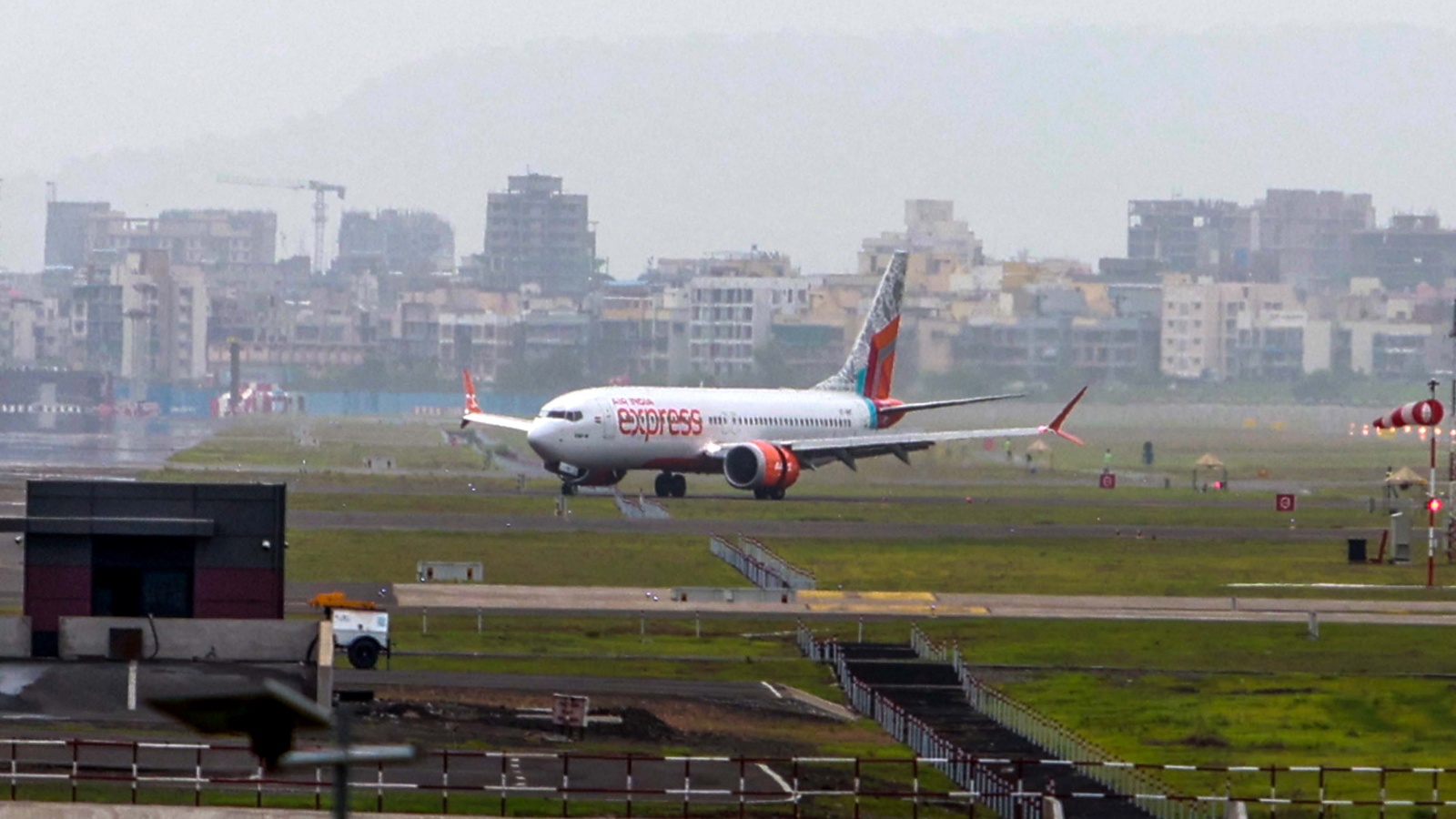
Air India has off-rostered two additional pilots after initial drug screenings returned 'non-negative' results. This follows a massive mandatory testing drive for 5,000 pilots triggered by a serious mid-air incident on a Phuket-Delhi flight.
- Two more Air India pilots have recorded 'non-negative' initial drug test results.
- The airline is conducting mandatory one-time dope tests for all 5,000 pilots across Air India and Air India Express.
- The crackdown follows a serious incident on August 4 where a Phuket-Delhi flight suffered a sudden altitude drop.
- Confirmatory tests are pending to rule out false positives from medication or food.
In a startling development for Indian aviation safety, Air India has revealed that two more of its pilots have returned 'non-negative' results in initial drug screening tests. The pilots have been immediately off-rostered pending confirmatory results, as the airline intensifies its internal security and health protocols. This move comes in the wake of a systemic audit of the flight crew's sobriety and mental health.
The current testing blitz was initiated after the Pilot-in-Command (PIC) of a Phuket-to-Delhi flight, which experienced a terrifying sudden altitude drop on August 4, tested positive for marijuana. In response, the airline leadership ordered a mandatory one-time dope test for its entire fleet of approximately 5,000 pilots. To date, nearly 400 pilots have undergone the screening process.
Why This Matters
BozokMedia analysis shows that this is not merely a regulatory compliance issue but a critical trust-building exercise for Air India. Following the merger and restructuring under the Tata Group, the airline is under immense pressure to align with global safety standards. The fact that multiple pilots are flagging 'non-negative' results suggests a potential gap in the internal monitoring of crew well-being and substance abuse, which could have catastrophic implications for passenger safety if left unchecked.
"The transition from random sampling to a total fleet screening indicates that the airline is treating this as a systemic risk rather than an isolated incident of individual misconduct."
The incident on August 4 involved an Airbus A320 (VT-EXO), which dropped roughly 300 feet suddenly, resulting in injuries to 20 passengers and four cabin crew members. While the government initially cited severe turbulence, the Aircraft Accident Investigation Bureau (AAIB) is now investigating a combination of pilot conduct and technical snags in the aircraft's hydraulic and control systems.
According to the Directorate General of Civil Aviation (DGCA) rules established in 2021, random tests are mandatory for 10% of the crew annually. Air India's decision to test 100% of its pilots goes beyond these legal requirements, signaling a zero-tolerance approach to psychoactive substances including amphetamines, opiates, cannabis, cocaine, barbiturates, and benzodiazepines.
| Feature | DGCA Standard Requirement | Air India's Current Action |
|---|---|---|
| Testing Frequency | Random 10% annually | 100% Mandatory one-time screen |
| Trigger | Routine/Post-Incident | Systemic Safety Audit |
| Scope | Flight Crew & ATC | All Group Pilots (AI & AI Express) |
Frequently Asked Questions
Q1: What happens if a pilot's confirmatory test is positive?
A: If the confirmatory test confirms the presence of banned psychoactive substances, the pilot faces severe disciplinary action, including potential termination and license suspension by the DGCA.
Q2: Was the drug use the sole cause of the Phuket-Delhi incident?
A: Not necessarily. The AAIB is investigating both the pilot's condition and multiple hydraulic/control system failures that occurred simultaneously.