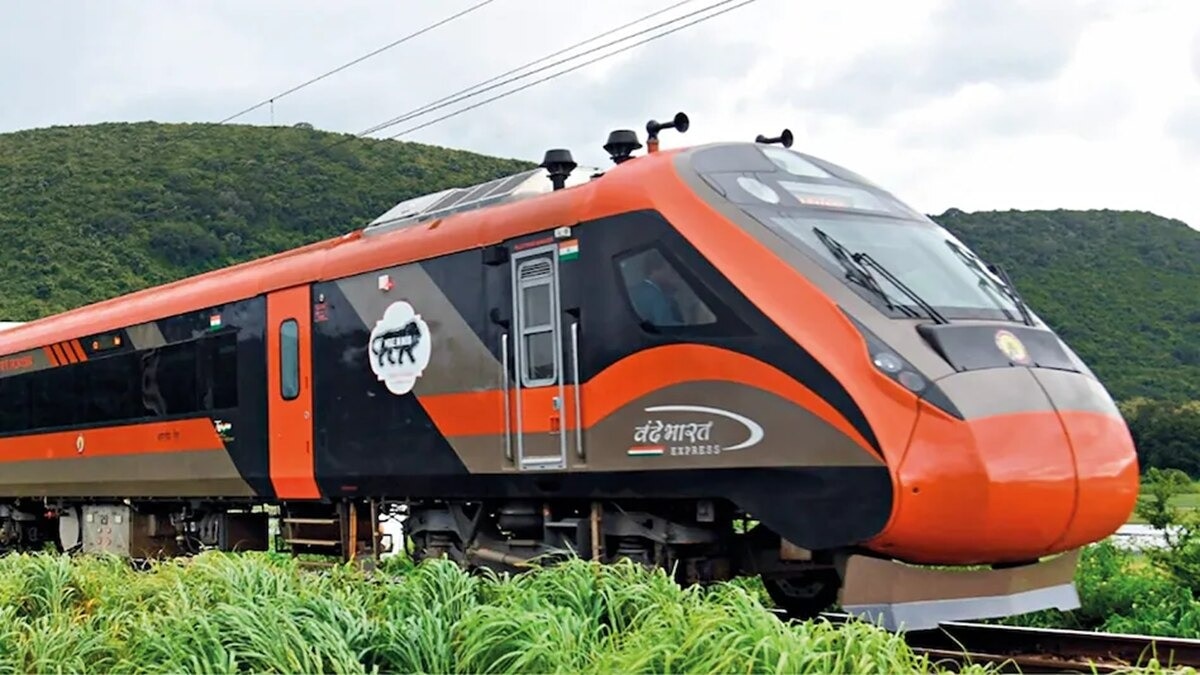
Indian Railways is aggressively scaling its Vande Bharat network as financial data reveals that premium AC segments are the only profitable passenger categories.
- AC 3-tier and AC Chair Car were the only passenger categories to report profits in FY25.
- Vande Bharat ridership surged by 34% in FY26, reaching nearly 4 crore passengers.
- The new Vande Bharat Sleeper service recorded over 100% occupancy in its first quarter.
The rapid expansion of the Vande Bharat network is not merely a pursuit of modernization or speed; it is a calculated financial strategy. For Indian Railways, premium AC passenger categories represent a rare silver lining in a passenger business that is largely loss-making.
Financial data for FY25 underscores this disparity. While the Ordinary class suffered a staggering loss of ₹20,705.94 crore, the AC 3-tier segment generated a robust profit of ₹3,645.44 crore. Similarly, the AC Chair Car category—the backbone of Vande Bharat and Shatabdi services—turned around to report a profit of ₹376.77 crore, recovering from losses in previous years.
Why This Matters
BozokMedia analysis shows that Indian Railways is leveraging a strategic pivot toward high-yield passengers. By expanding the premium fleet, the railways aim to create a sustainable revenue stream that can offset the losses incurred from providing essential, low-cost transport to the masses.
"The shift toward premium rail travel indicates a structural change in Indian consumer behavior, where time and comfort are now valued over the lowest possible fare."p>
Market demand is validating this pivot. In FY26, the Vande Bharat network carried approximately 3.98 crore passengers, a 34% increase from the previous year. The New Delhi-Varanasi corridor has emerged as the crown jewel of this expansion, transporting over 73 lakh passengers since its inception.
The introduction of the Vande Bharat Sleeper in January 2026 has opened a new frontier. By bringing premium positioning to overnight journeys, the railways have tapped into a lucrative market. In its first three months, the service carried 1.21 lakh passengers with an occupancy rate exceeding 100%, proving that the appetite for luxury long-distance rail travel is immense.
| Passenger Segment | FY25 Financial Status | Trend |
|---|---|---|
| Ordinary Class | ₹20,705.94 Crore Loss | Declining |
| AC 3-Tier | ₹3,645.44 Crore Profit | Steady Growth |
| AC Chair Car | ₹376.77 Crore Profit | Rapid Recovery |
With 162 services currently operational, the objective is clear: transform the railway's economics. The bigger question is whether this premium-heavy strategy can eventually lift the entire passenger service ecosystem out of its financial deficit.
Frequently Asked Questions
Q1: Are Vande Bharat trains profitable as standalone units?
A: While standalone figures aren't public, the profitability of the overall AC Chair Car category strongly suggests these premium services are revenue drivers.
Q2: Why is there such high demand for Vande Bharat Sleeper?
A: It offers a superior alternative to existing long-distance trains, combining speed, luxury, and reliability, which appeals to the growing upper-middle-class demographic.