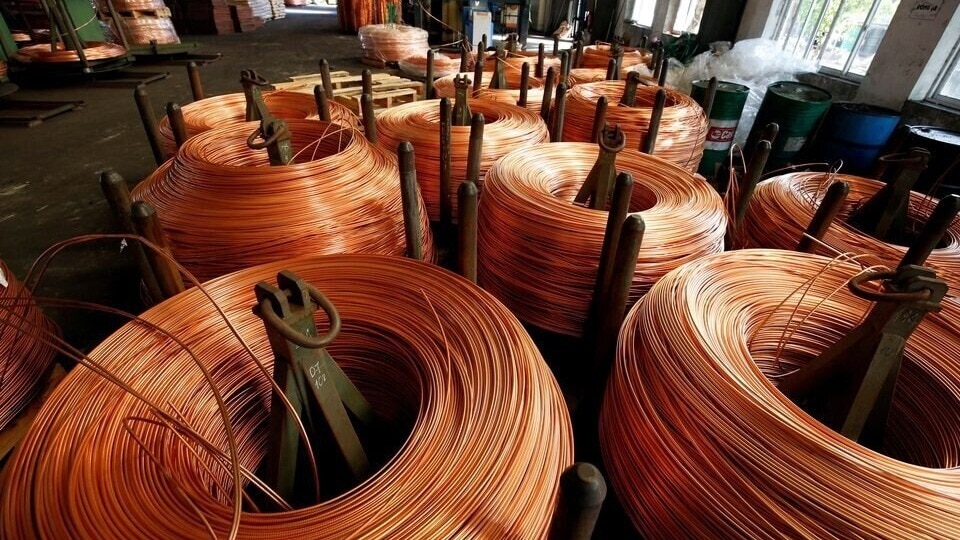
Copper prices in India have hit record levels as manufacturers pay premiums to secure essential supplies. The surge is driven by a critical mismatch between slow mining growth and the explosive demand for clean energy infrastructure.
- Copper prices in India have climbed to approximately Rs 1,400 per kg.
- Global demand is projected to jump 50% by 2040, reaching 42 million tonnes.
- India's dependence on imports makes it highly vulnerable to LME price swings and supply chain disruptions.
In the global race toward a decarbonized future, copper has transitioned from a simple industrial metal to a strategic asset. Often referred to as the "new oil," copper's unmatched electrical conductivity makes it indispensable for the green energy revolution. From the expansion of power grids and the proliferation of electric vehicles (EVs) to the construction of massive AI data centers, copper is the invisible backbone of the modern economy.
In India, the market is feeling the heat. Copper futures on the MCX have surged to around Rs 1,400 per kg, mirroring the record-high trends seen on the London Metal Exchange (LME). However, the real story lies in the "premium"—the extra amount manufacturers are willing to pay above the benchmark price just to ensure they don't run out of raw materials.
The Supply-Demand Paradox
The current price hike is rooted in a fundamental structural mismatch. While demand is skyrocketing, the supply side is lagging. Establishing a new copper mine is a grueling process involving years of geological surveys, environmental clearances, and massive infrastructure investment. Meanwhile, existing mines are suffering from declining ore grades and operational volatility.
According to S&P Global, copper demand is expected to rise from 28 million tonnes in 2025 to 42 million tonnes by 2040. This 50% increase is primarily fueled by the electrification of everything, leaving smelters to fight over a dwindling supply of copper concentrate.
Why This Matters
BozokMedia analysis shows that the willingness of Indian manufacturers to pay a premium is a sign of "desperation procurement." For a transformer or cable manufacturer, the cost of a production halt far outweighs the cost of expensive copper. If a factory cannot fulfill an order due to material shortages, they risk losing long-term contracts and market share.
"Copper is no longer just a commodity; it is a strategic bottleneck for the global energy transition."
India's position is particularly precarious because it lacks sufficient domestic refined copper production. This heavy reliance on imports exposes the Indian industrial sector to global shipping disruptions and the volatility of the LME.
| Demand Sector | Demand Share (FY25) | Growth Rate (YoY) |
|---|---|---|
| Building & Construction | 25% | Steady |
| Industrial Applications | 19% | Moderate |
| Green Energy (EV/Solar) | 4.6% | 32% (Rapid) |
The International Copper Association India (ICAI) reports that total copper demand rose 9.3% year-on-year to 1.878 million tonnes in FY25. While traditional construction still dominates, the 32% growth in "green" applications signals a massive shift in how the metal will be used in the coming decade.
Frequently Asked Questions
1. Why is copper called the 'new oil'?
Because like oil in the 20th century, copper is the essential fuel for the current industrial transition, specifically for electrification and renewable energy.
2. How does the LME affect Indian prices?
The London Metal Exchange sets the global benchmark price; Indian prices typically follow this trend but add a premium based on local demand and import costs.