A startling surge in state-backed content restrictions saw nearly 1.95 lakh blocking orders sent to Instagram, Facebook, and YouTube in five months, coinciding with major student protests in Delhi.
- An average of one blocking order was issued every 68 seconds between March and July.
- Instagram bore the brunt, receiving nearly 1 lakh orders—over half of the total.
- Meta integrated its API with the 'Sahyog' portal for automated, human-review-free takedowns.
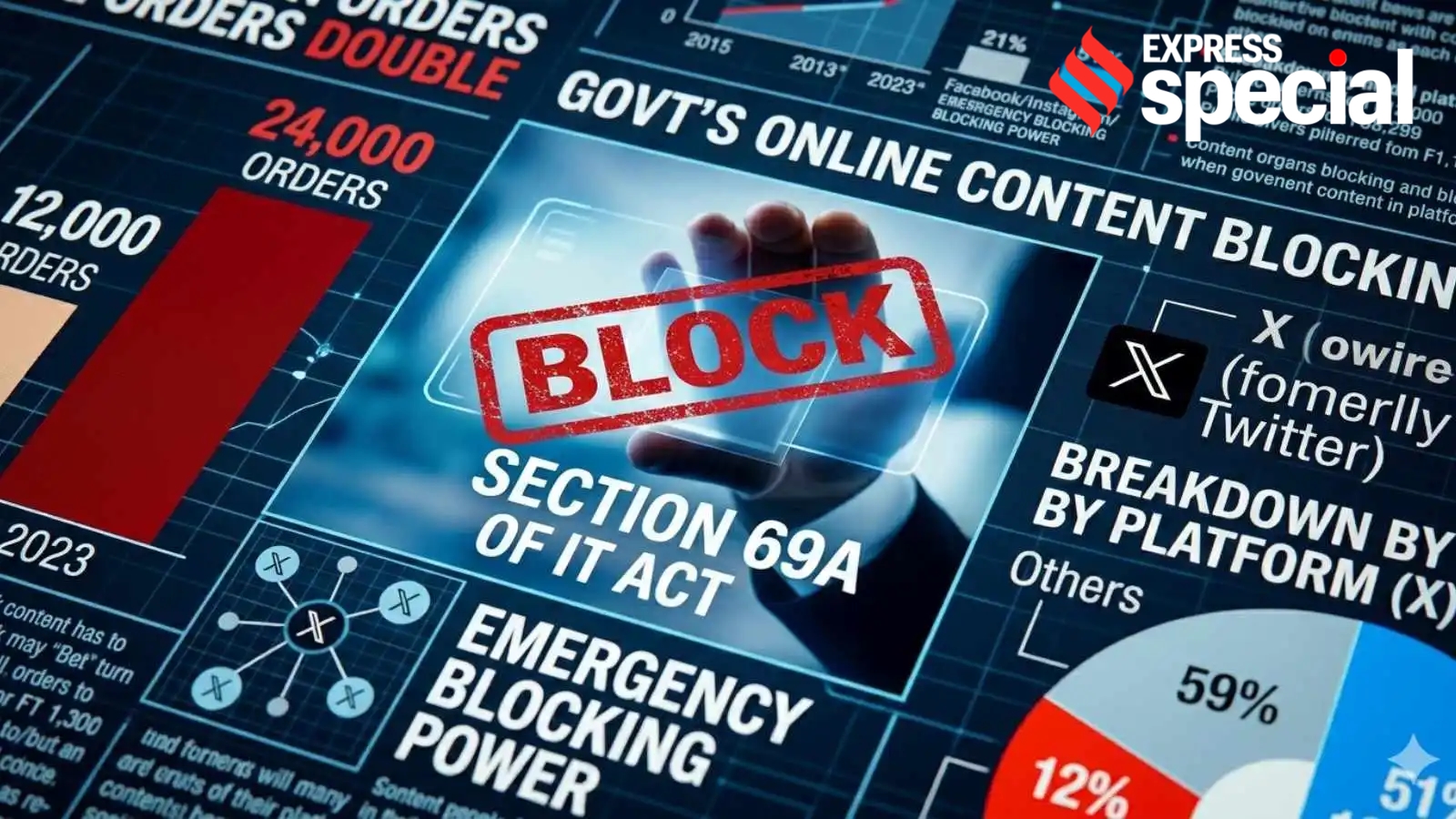
The scale of digital censorship in India has reached an unprecedented velocity. According to data accessed by The Indian Express, the Indian government issued approximately 1.95 lakh blocking orders to major social media platforms between March and July this year. This translates to a staggering daily average of 1,275 orders.
This spike occurred during a period of heightened political sensitivity, specifically during the student protests against exam leaks at Delhi’s Jantar Mantar. Government officials have admitted that a "considerable share" of these orders were issued as the protests gained momentum, particularly on visual platforms like Instagram.
Why This Matters
BozokMedia analysis shows that the shift toward automated censorship represents a fundamental change in how the state interacts with digital speech. By removing the human element of review, the government effectively bypasses the checks and balances intended to protect free expression under the IT Act.
The distribution of these orders highlights a heavy focus on Meta-owned platforms. Instagram received nearly 1 lakh orders, followed by Facebook with 80,000 and YouTube with 15,000. Together, Meta platforms handled 90% of the total censorship directives.
"An API that executes takedowns automatically has no knowledge at all. Machine-to-machine execution converts a conditional legal duty into an unconditional compliance." - Apar Gupta, Internet Freedom Foundation.
The most alarming revelation is Meta's integration of its Application Programming Interface (API) with the Home Ministry's Sahyog portal. This allows content flagged by the government to be automatically scrubbed from the platform within the mandated three-hour window, without any internal human review by Meta's moderation teams.
| Platform | Blocking Orders (Mar-Jul) | Primary Targets/Context |
|---|---|---|
| ~1,00,000 | Student protests, Policy criticism | |
| ~80,000 | General government directives | |
| YouTube | ~15,000 | Video-based content censorship |
Historically, the volume of censorship was far lower. RTI records from October 2024 to October 2025 showed a daily average of only six blocking orders. The jump to over a thousand per day signals a strategic pivot toward real-time control of the digital narrative.
Frequently Asked Questions
Q1: What is the Sahyog portal?
A: It is a platform developed by the Ministry of Home Affairs to streamline the sending of blocking notices to social media companies by various agencies.
Q2: What is Section 79(3)(b) of the IT Act?
A: It is the legal provision that requires platforms to remove content deemed unlawful by the government to maintain their legal immunity from user-generated content.